


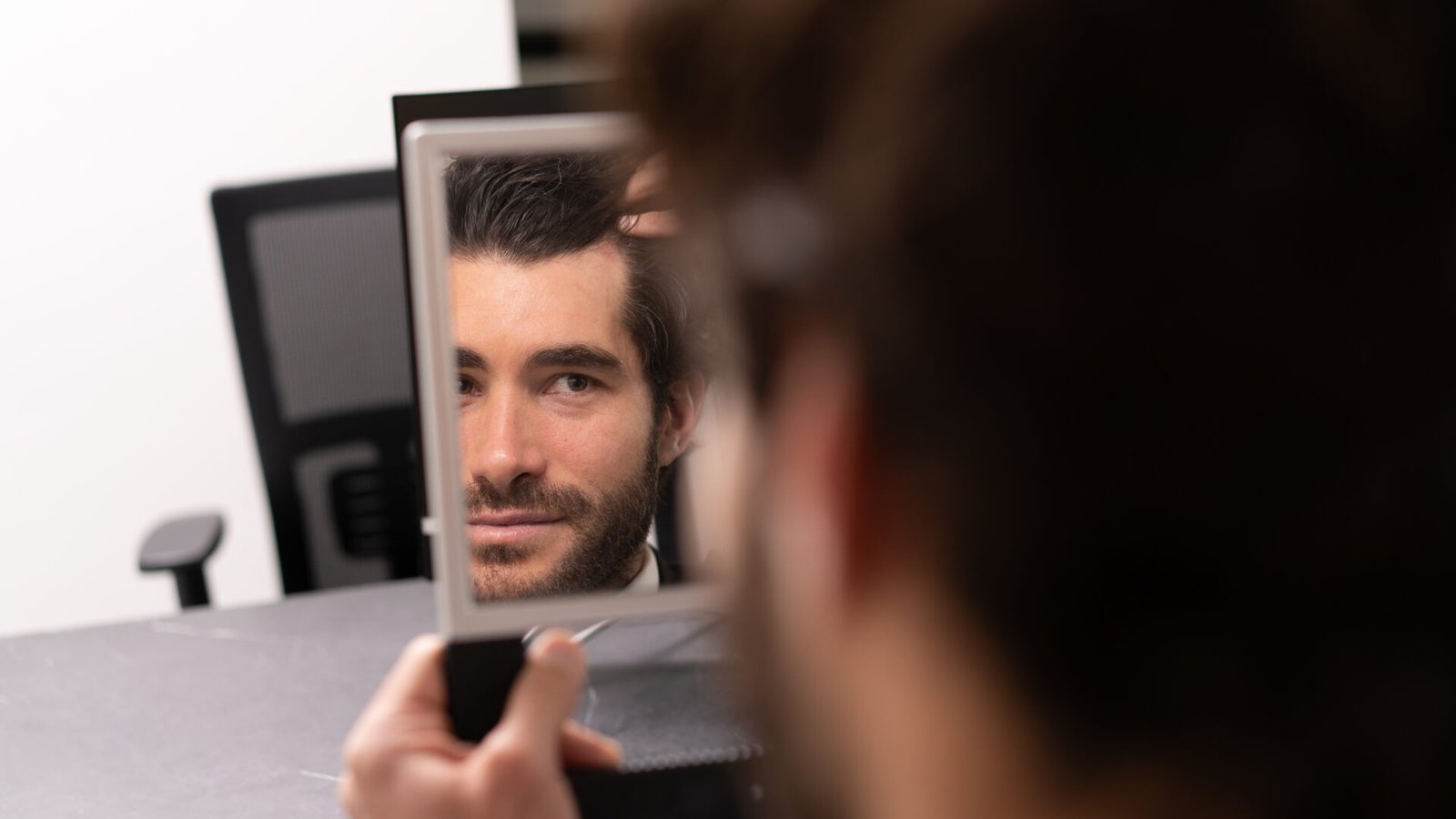
Hair transplantation is a very popular treatment for male patients seeking to reduce the effects of thinning or baldness on their appearance.
But while a majority of men want to grow more hair, all of them do not want just hair growth. They want a hair restoration that is aesthetically pleasing, well proportionate to their entire face, and completely compatible with their current appearance.
We have heard this question frequently: Is Direct FUE or Classic FUE the most natural hair restoration option for men?
Firstly, we’ll provide a side by side comparison of each technique’s advantages and disadvantages. Afterward, we will outline which option may be preferred based on specific conditions. We will also discuss exactly what natural hairlines mean, and how the amount of density in a restored area impacts the overall result; we will conclude by providing advice for choosing the right option to achieve a successful hair restoration.
What Is Classic FUE Hair Restoration?
Classic FUE is one of the most widely recognized and utilized hair restoration techniques globally. For decades, physicians worldwide have successfully employed this technique in countless clinical practices and it has proven to be reliable and consistent.
The reliability of classic FUE is not due to the technique itself, however, but rather on the experience of the physician(s) involved in the procedure and the thoroughness of the preoperative plan. As the grafts are distributed strategically across the restored area, this significantly influences the visual aspect of the final result in terms of appearance, density, and aesthetic appeal.
Classic FUE is capable of producing exceptional quality results, when it is properly executed using the correct technique and a thoughtful approach to design.
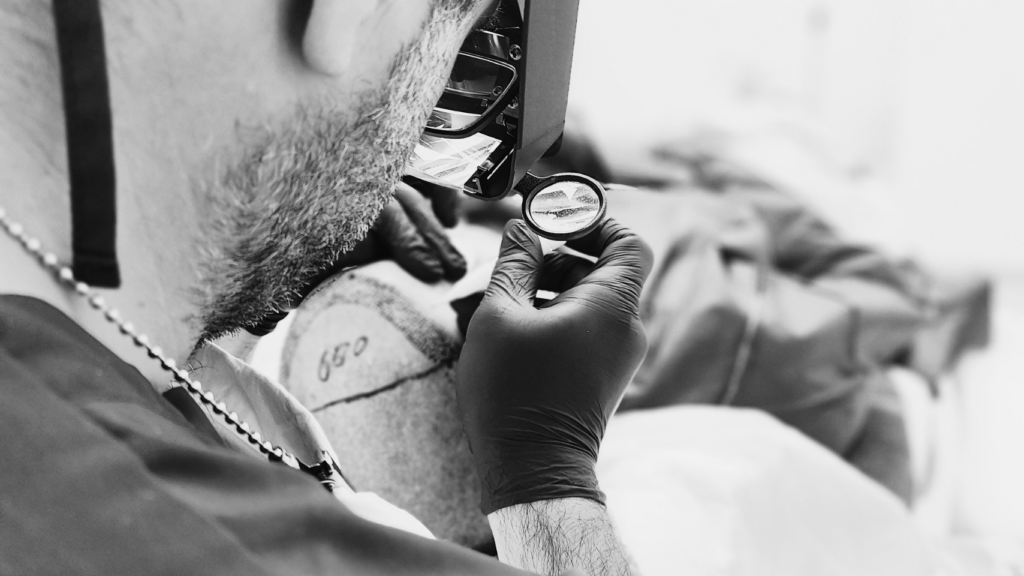
Do you wish to know how the process works in practice?
Step By Step Process of Classic FUE
Generally speaking, classic FUE involves the following distinct phases:
- Donor graft extraction: Grafts are extracted from the donor area generally found at the back or sides of the head.
- Recipient channel creation: Channels are created in the recipient area, where there is thinning or hair loss.
- Graft placement: Using specialized medical instruments, the extracted grafts are inserted into the newly created channels.
- Designing the overall hair design: Ensuring even coverage and appropriate hair growth direction.
Using this organized process enables for controlled placement and therefore a harmonious and natural final result.
Limitations of Classic FUE
While classic FUE is an exceptionally effective technique, there are certain factors that need to be taken into consideration. For example, grafts may remain outside the scalp for a longer time prior to being implanted. This can affect graft viability.
Additionally, the visual aspect of a natural appearance is largely dependent upon the placement phase. If the angle or direction of hair growth is not optimal, the final result may appear more unnatural or less desirable. Small micro scars may also occur as a result of creating channels.
Therefore, it is necessary for the physician performing the procedure to possess both extensive experience and aesthetic judgment to create a true natural result.
What Is Direct FUE and How Does It Differ from Classic FUE?
Direct FUE is an innovative adaptation of the FUE technique, the chief distinction between the two is the placement of the grafts. Both techniques involve the extraction of individual follicles, the difference in the two techniques occurs at the point of graft placement.
Traditional FUE employs the method of creating channels initially followed by placing grafts afterwards. Direct FUE utilizes a unique medical device called an implanter tool, to place grafts at the same time, thus bypassing the intermediate step of creating channels.
Practical Difference Between Techniques
The principal difference between the two techniques is the degree of control the physician has during the placement of the grafts. Direct FUE affords:
- Greater precision in the angle of placement
- Enhanced ability to control depth
- Placement of hair at the correct angle and direction
- Smoother integration with the existing hair
All of the above factors directly contribute to the final aesthetic result, particularly in the case of the hairline and smaller areas.
Why Is Direct FUE Considered a More Natural Option?
Direct FUE affords the physician the greatest possible control and precision in the placement of grafts, contributing to the:
- Design of a natural looking hairline
- Efficient use of single hair grafts in the frontal area
- Gradual build up of natural density
Direct FUE is the ideal option in the following scenarios:
- Shape of the hairline is a top priority
- A result that does not resemble a transplant is desired
- Natural appearance is paramount
Advantages of Direct FUE for Men
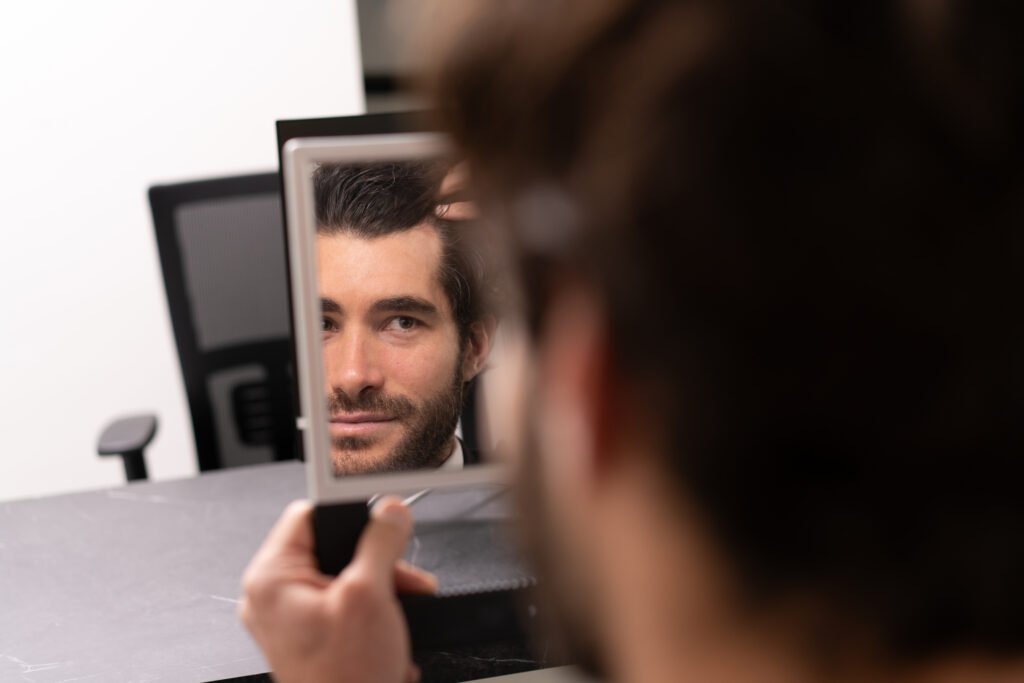
Many men place significant emphasis on the hairline, as this is the first area where the success of a transplant is apparent. Direct FUE plays a significant role in achieving the optimal hairline for men by:
- Affording greater control in designing a natural looking hairline
- Enabling more precise placement of grafts in difficult to restore areas
- Achieving a more clean and balanced distribution of density
- Enhancing the integration of new hair with existing hair
Therefore, Direct FUE is an ideal option for men desiring a natural looking result without visible signs of a transplant, resulting in a timeless and elegant appearance.
Comparison of Direct FUE and Classic FUE: What Are the Primary Differences?
The comparison of Direct FUE and classic FUE extends beyond the actual technique. The main difference exists in the end result: natural appearance, density, design of the hairline, and direction of hair growth.
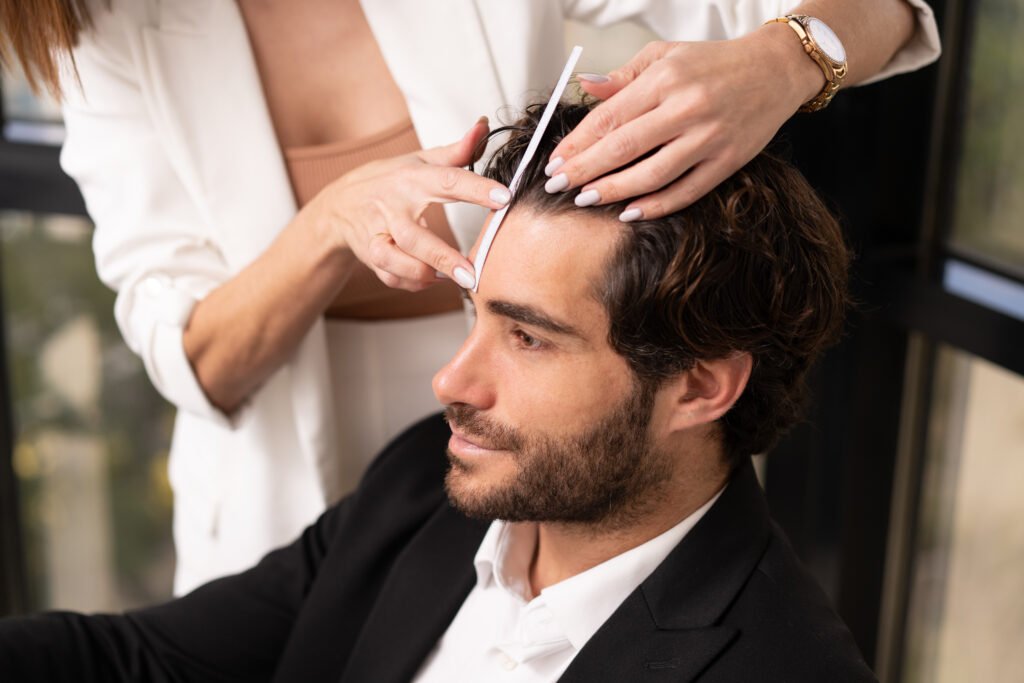
Which Method Provides the Best Natural Looking Hairline?
The hairline is the most important component of hair restoration. A natural hairline is not overly straight or too low; it must complement the patient’s age, facial characteristics, and body structure.
Direct FUE often provides superior benefits in this regard since it:
- Enables more precise placement of follicles
- Facilitates a subtle, irregular hairline shape
- Improves placement of single hair grafts in the frontal area
Which Method Offers Superior Results for Hair Angles and Directions?
Have you ever observed a hair transplant that appears unnatural? Frequently, the unappealing result is the direct result of poor angle selection. Due to varying hair growth directions, areas such as the temples and crown are often more challenging to restore naturally.
Direct FUE improves accuracy in these regions by providing greater control over angles and directions. Classic FUE can also yield favorable results when executed with careful planning and expertise.
Which Method Produces the Best Overall Natural Result for Men?
While it is impossible to answer this question with a single word, there are evident trends based on the individual objectives and requirements of each patient.
When Is Direct FUE the Optimal Option?
Direct FUE is ideal in the following situations:
- The primary objective is to create a natural hairline
- Precision is required in small or medium sized areas
- A completely invisible result, without evidence of a transplant, is desired
- Seamless transitions and precise angulations are essential
For these reasons, many men choose Direct FUE if they desire a result that is completely natural.
When Is Classic FUE Preferable?
Classic FUE remains a viable option for those requiring restoration in large coverage areas, as long as the procedure is executed with sufficient planning, experience, and aesthetic judgment.
What Really Contributes to a Natural Appearance?
Ultimately, natural appearance is not merely dependent upon the technical aspects of the procedure, but upon a combination of:
- The hairline design
- Respecting the patient’s age and facial dimensions
- Utilizing single hair grafts in the frontal region
- Natural density distribution
- Controlling the angles of hair growth
At Clinique de Monsieur, we give precedence to the planning aspect of the procedure prior to focusing on the technique, ultimately yielding results that are both natural and enduring.
Healing and Recovery: At What Point Will the Result Appear Normal?
Men are frequently asked when they will appear normal again after undergoing a hair transplant.
Typical recovery time frame includes:
1 to 3 Days Post Procedure: Minimal redness and mild discomfort
4 to 10 Days Post Procedure: Scabs will begin to fall off
2 to 4 Weeks Post Procedure: Temporary shedding of the new hair, a normal process
3 to 6 Months Post Procedure: New hair growth commences
9 to 12 Months Post Procedure: Final result achieved
Adhering to proper post procedure care, maintaining good hygiene, and refraining from excessive physical exertion during the initial post procedure days are all vital for optimal healing.
Conclusion: Direct FUE or Classic FUE for a Natural Result?
This comparison shows that both Direct FUE and classic FUE can deliver excellent results when performed correctly. Direct FUE stands out for its attention to detail and refined hairline design.
However, the most decisive factor is not the technique alone, but the medical team responsible for planning the result with precision and aesthetic harmony.
Would you like to discover which technique best suits your needs? Book a consultation at Clinique de Monsieur and receive a personalized hair transplant plan designed to achieve a natural, discreet, and truly individual result.