


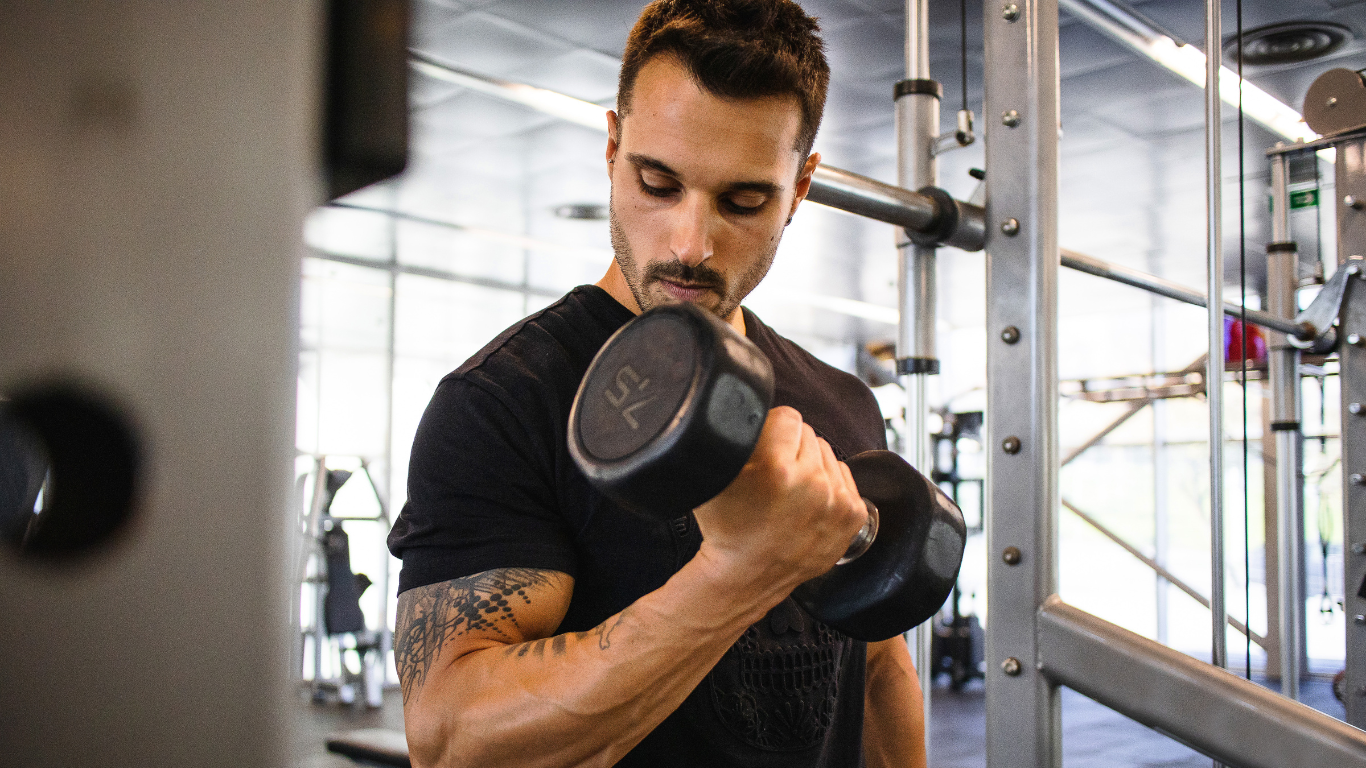
When Can I Exercise After Hair Transplantation?
How Soon Is It Safe to Exercise Following Hair Transplantation Procedure?
Following a hair transplantation procedure, most patients wish to return to their customary way of life as quickly as possible, including physical activity. However, timing is everything. When can you safely engage in physical activity to prevent jeopardizing your results?
Your response is contingent upon the extent to which your scalp recovers in the first few days following the procedure. Since newly planted grafts are fragile, engaging in premature physical activity may harm them. For this reason, an understanding of your recovery timeline is fundamental.
At Clinique de Monsieur, we emphasize that postoperative treatment is just as significant as the treatment itself. Additionally, with advanced methods such as Direct FUE, grafts are being implanted with the use of Choi implanter, thus providing precision, minimal injury and rapid recovery.
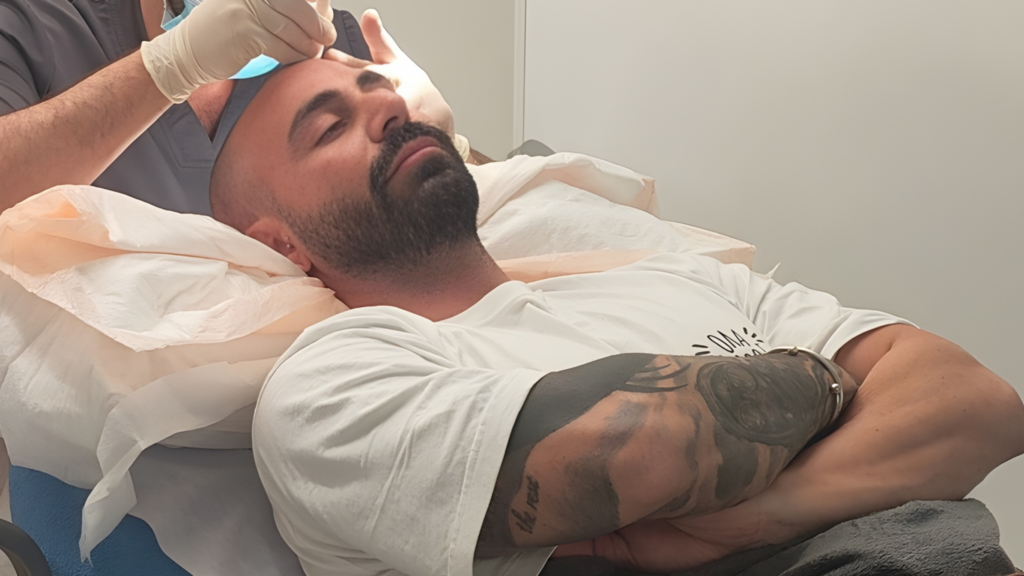
What Happens to Your Scalp After Hair Transplantation?
Why Does the Scalp Become Sensitive Immediately After Surgery?
As soon as the operation has taken place, your scalp begins its recovery phase. Due to the fact that grafts were recently implanted into the area of your scalp, your local tissue is extremely sensitive.
What Symptoms Should I Expect?
Typically, patients experience
- Increased redness in both the donor and receiver sites
- Gently elevated inflammation, particularly on the forehead
- Tiny scabbing at the base of every graft
How Will Exercise Interfere with This Phase of Healing?
Since exercise raises your heart rate and blood pressure, blood circulation in your scalp will be increased due to these same physiological changes and sweating will occur. In turn, this can cause instability in grafts and slow down the healing process.
When May I Resume Exercise Post Hair Transplantation?
Can I Engage in Physical Activity Within the First Few Days?
No, do not perform physical activity whatsoever in the first 3 days. These are not yet securely fixed grafts.
When Can I Begin Light Physical Activities?
It is permissible to initiate light physical activities such as walking after
- 3 to 5 days
This type of low-level physical activity will not cause extreme variations in blood pressure nor excessively increase sweating.
When Can I Return to Moderate Workouts?
Once you have regained some strength and comfort back in your body, you may normally resume moderate levels of exercise such as light gym sessions after
- 7 to 10 days
Be sure to continue to avoid applying any direct pressure or strain onto your scalp.
Is It Safe to Participate in High Intensity Workouts at Any Point?
High intensity workouts, weightlifting and sports should be delayed until
- 2 to 3 weeks
By then, your grafts will be solidified enough to withstand the rigors of high intensity workout programs.
Types of Exercises and Their Effects on Recovery
Which Low Level Physical Activities Are Acceptable Early On?
Early in your recovery phase, acceptable forms of low-level physical activity include
- Walking
- Light stretching
- Mild movement
Which Types of Exertion Must Be Avoided?
It is recommended that you avoid
- Running
- Weightlifting
- High intensity training
- Swimming
Why Is Swimming Particularly Hazardous?
Due to the presence of waterborne bacteria and chemicals associated with swimming, there is a heightened possibility of developing infections or skin irritations.
Why Sweating Is Such a Significant Concern During the Post-Surgical Period?
How Does Sweating Impede the Process of Recovery?
Sweat can impede the recovery process in several ways:
- Skin irritation from sweating
- Premature softening of scabs
- Creation of an optimal bacterial environment due to moisture
Can Sweating Harm My Grafts?
Yes. When excessive sweating occurs in conjunction with rubbing or pressure against grafts, it weakens graft stability.
How Do I Minimize Risks Associated with Sweat?
Minimizing the risk of excessive sweating can be achieved by avoiding overly warm surroundings and exercising in cooler environments. Always follow medical guidance carefully.
Advantages of Direct FUE Regarding Recovery Timeframe and Return to Exercise
What Makes Direct FUE the Preferred Technique Among Surgeons?
Direct FUE represents a minimally invasive surgical technique designed to promote greater precision while minimizing trauma.
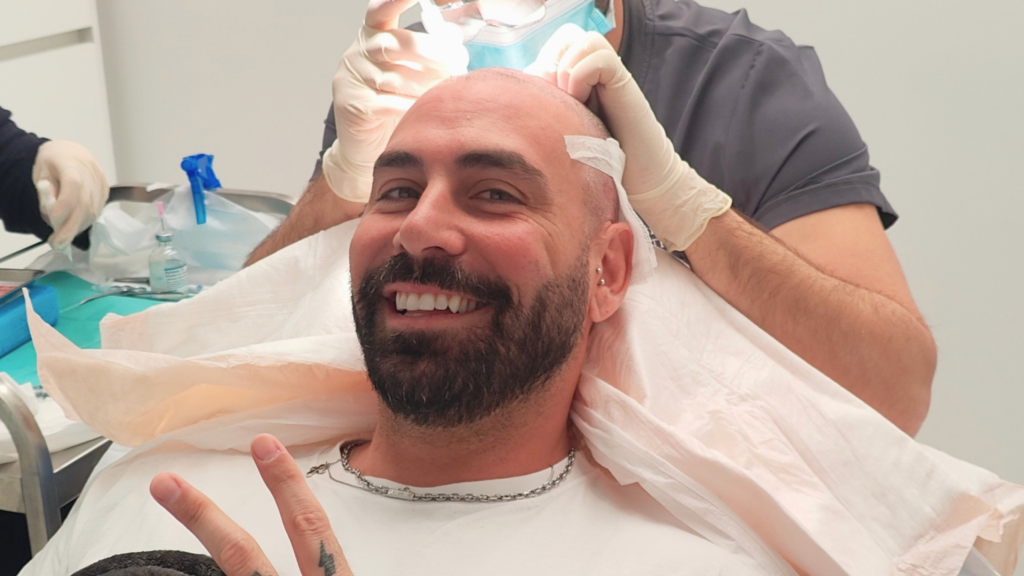
How Does Direct FUE Support More Rapid Recovery Times?
Because grafts are being implanted with the use of Choi implanter:
- Less trauma to local tissues
- More precise placement of grafts
- Shorter recovery times
What Benefits Are Provided for Patients with Active Lifestyles?
Active patients benefit from:
- Faster return to physical activity
- Reduced discomfort
- Higher graft survival rates
Therefore, Direct FUE is particularly suitable for individuals with active lifestyles.
Common Errors That Delay Return to Exercise
Examples of Common Mistakes Made by Patients
Many patients unintentionally delay recovery through common mistakes.
Examples Include:
- Returning to exercise too early
- Ignoring medical advice
- Exposing the scalp to heat or sweat
- Using tight headgear
Why Are These Actions Detrimental?
These actions may lead to
- Loss of grafts
- Delayed healing
- Suboptimal final results
Therefore, strict adherence to medical recommendations is essential.
Safe Ways to Gradually Resume Your Fitness Routine
What Is the Best Strategy to Return to Exercise?
The safest strategy involves a gradual return to physical activity.
What Steps Should I Take?
- Start with light activity
- Monitor your scalp condition
- Gradually increase intensity
Precautions to Consider:
- Maintain scalp cleanliness
- Avoid unnecessary contact
- Stay hydrated
- Follow your surgeon’s instructions
Why Is Gradual Progression Important?
Gradual progression prevents unnecessary stress on healing grafts and supports long term successful outcomes.

When Am I Fully Recovered?
How Long Does Complete Recovery Take?
While you may return to exercise relatively early, complete recovery requires more time.
What Is the Typical Recovery Timeline?
- First week initial healing
- Second week improved graft stability
- One month scalp stabilization
- Three to twelve months final results
Therefore, patience is essential to achieve optimal and natural looking results.
Conclusion
When Can I Safely Exercise After Hair Transplantation?
Most patients can resume light activity within a few days, moderate exercise after one week, and intense workouts after two to three weeks.
Why Is Timing So Important?
Because protecting grafts during the early healing phase ensures better survival rates, faster recovery, and optimal final density.
With advanced techniques such as Direct FUE, grafts are being implanted with the use of Choi implanter, ensuring precision, minimal trauma, and natural results.
At Clinique de Monsieur, we combine expertise, innovation, and personalized care to help patients achieve long lasting, natural looking outcomes.
Are You Ready to Return Safely to Your Active Lifestyle?
Schedule your consultation today and receive a personalized recovery plan tailored to your needs and lifestyle with Clinique De Monsieur.