


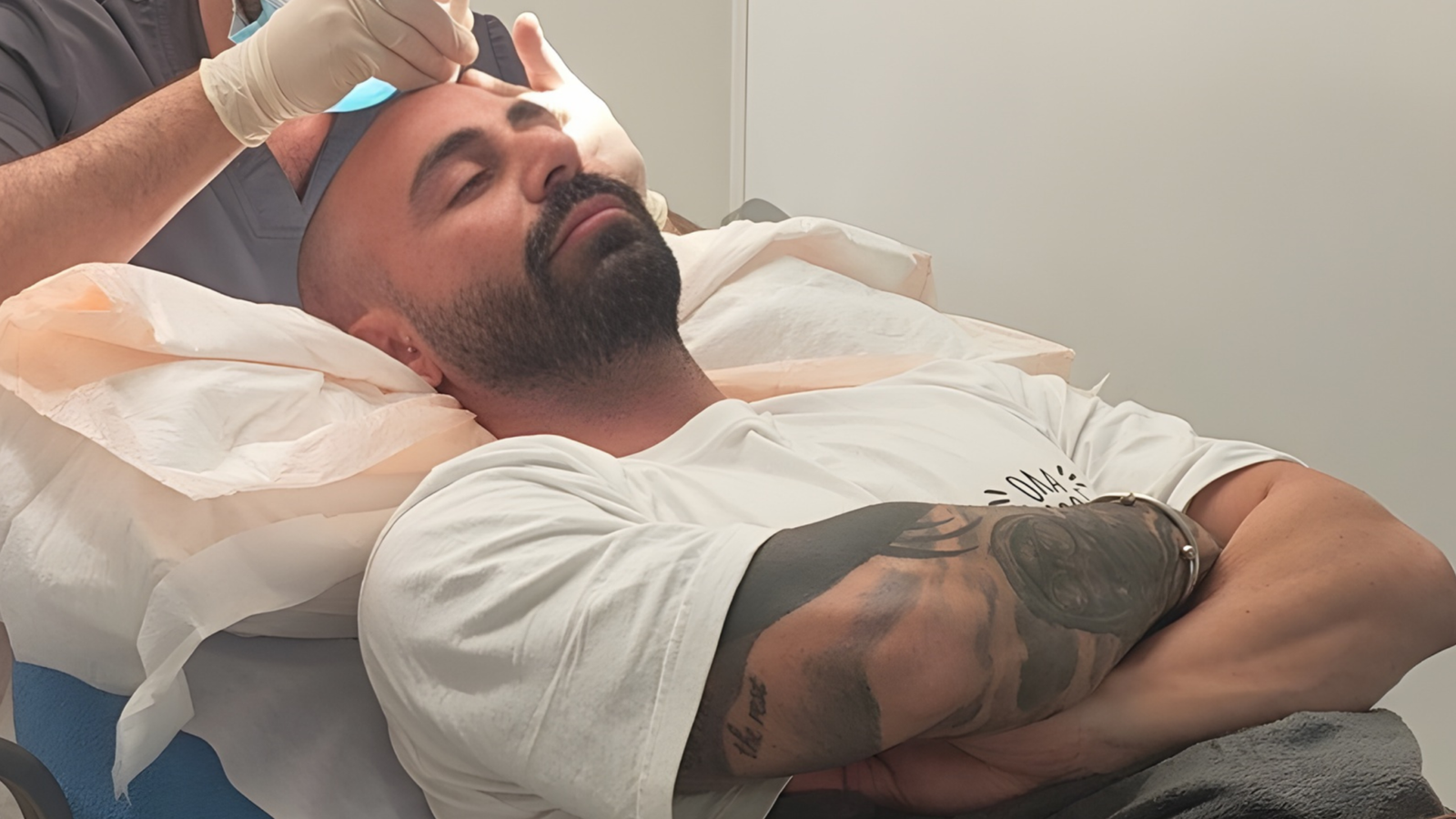
Hair transplant recovery begins in the first days after surgery and directly affects graft survival, scalp healing, and final hair density.
Why Are the First Few Days After a Hair Transplant So Crucial to Your End Results
The first days after a hair transplant represent a pivotal point in your hair restoration journey. Even though the hair transplant process is quite sophisticated, especially when considering the various techniques available, the recovery phase will ultimately dictate how many of your grafts will survive, how quickly your scalp will heal, and ultimately how dense your hair will be in the future.
Many individuals focus primarily on the end result of their hair transplantation. However, what takes place immediately following the procedure will have a direct impact on both the number of grafts that survive, the quality of the healing of your scalp, and ultimately the amount of hair that grows back into those grafted areas.
At Clinique de Monsieur, we continually stress to our patients that adequate postoperative care is necessary. Furthermore, by employing advanced techniques such as Direct FUE, grafts are being implanted with the use of Choi implanter, providing greater accuracy, reduced trauma, and optimal conditions for healing.
This article outlines what you can expect from day one to seven following your hair transplantation surgery. It also explains how to properly protect your newly grafted hair and achieve the most natural looking results possible.
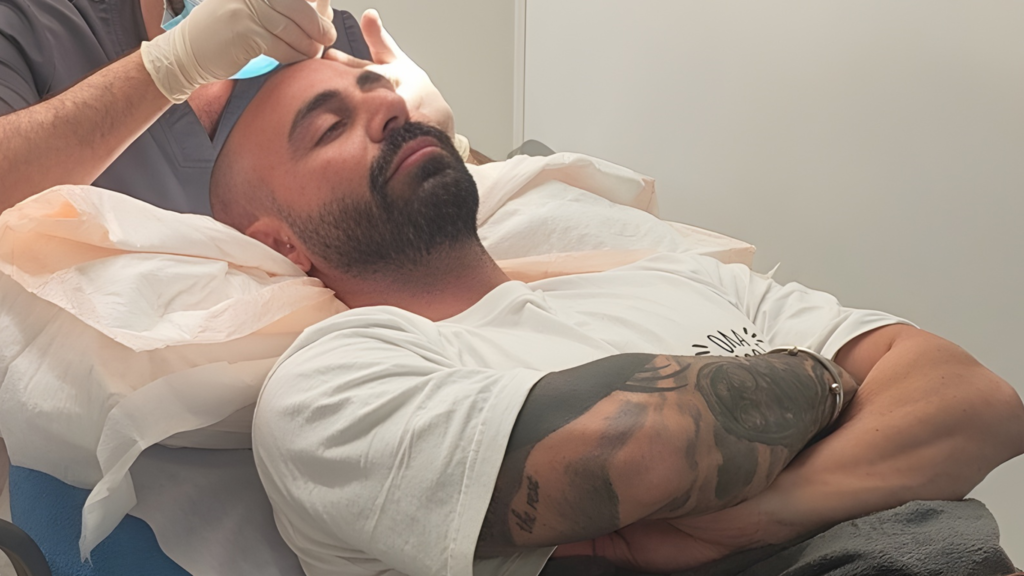
Day One Post Hair Transplant Surgery What Is Occurring on Your Scalp
What Occurs Immediately Upon Completion of My Hair Transplant
Upon completing your hair transplant surgery, your scalp initiates a recovery process. Since Direct FUE is less invasive than traditional strip harvesting, your body is able to initiate its repair processes almost instantaneously.
What Are Some Common Immediate Reactions I Will Experience?
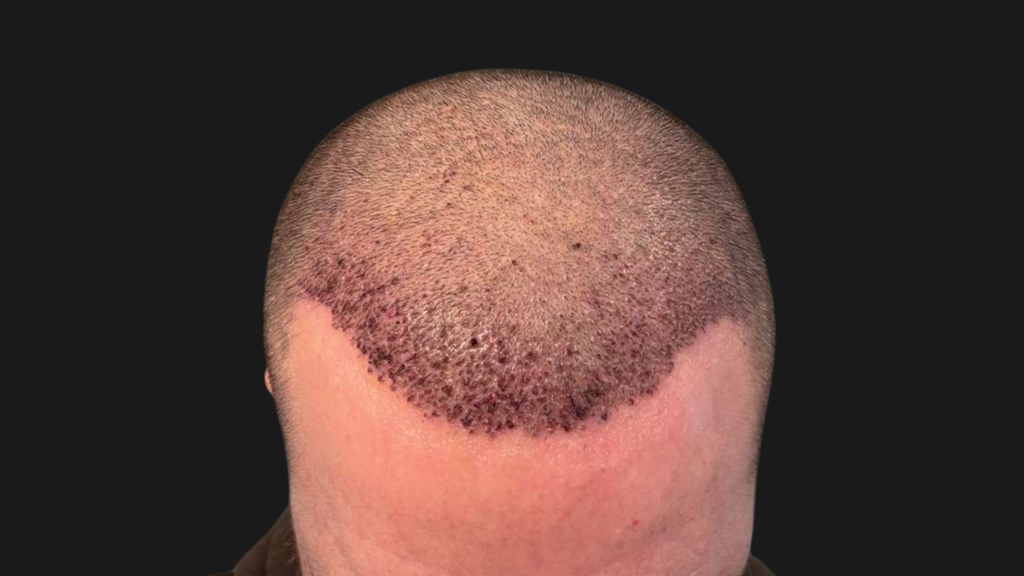
Reactions vary among individuals but generally include mild swelling of the forehead area, redness both in the donor and recipient areas, and small scabby formations around each individual graft site.
Why Would I Normally Experience These Reactions
Since your body is now working to repair microscopic areas where grafts were placed, these reactions occur due to the initiation of the healing process.
Hair Transplant Recovery During the First Seventy-Two Hours
Why Is This First Seventy-Two Hour Window So Significant
Within this initial seventy-two-hour window, grafts have not been firmly set. As a result, excessive movement or pressure could potentially dislodge your newly grafted follicles.
What Actions Can I Take During This Timeframe?
If you want to optimize the likelihood of a successful hair transplantation and desired results, you should
- sleep with your head elevated
- refrain from touching the scalp area
- adhere to physician instructions exactly
What Can I Absolutely Not Do During This Timeframe?
Avoid:
- exercising intensely
- prolonged exposure to sunlight
- wearing tightly fitted hats or helmets
While exercising caution throughout this initial window can help enhance graft survival and overall results, failure to comply with basic directives can lead to adverse consequences.
Healing of the Scalp and Scabbing
Why Do Scabs Develop After a Hair Transplant?
Scabs develop around each graft site as part of the healing process. The scab acts as a protective shield for the newly implanted follicles.
How Long Does Scab Formation Persist
Scabs generally fall off within approximately seven to ten days.
Must I Remove the Scab Myself
Never. Removing scabs prematurely can disrupt the graft and negatively influence your ultimate results. Thus, it is best to let them fall off on their own as intended.
Shampooing After Hair Transplant Surgery
When Am I Permitted to Wash My Hair?
Generally, shampooing commences a few days subsequent to surgery as per surgeon discretion.
How Do I Properly Wash My Scalp Post Hair Transplant?
Properly washing your scalp involves:
- using medical grade shampoos
- using low pressure water
- gently patting rather than scrubbing
Why Is Washing Your Scalp Vital
Washing promotes scalp hygiene, which aids in maintaining optimal conditions for healing while simultaneously preventing infections. Furthermore, gently washing your scalp supports the safe removal of scabs over time.
Common Side Effects During the Initial Seven Day Period Post Surgery
What Types of Side Effects Am I Likely to Encounter?
Side effects commonly experienced during the initial seven-day recovery period include:
- mild itching
- temporary numbness in the scalp area
- slight discomfort
Are These Side Effects Indicative of Something Serious?
No. All three side effects listed above are transient and eventually subside as the scalp continues to heal.
How Do I Address These Issues?
Carefully adhere to clinic recommendations and refrain from scratching regardless of whether you experience itching.
Benefits Provided by Direct FUE and Graft Placement Using Choi Implanter to Maximize Healing and Outcomes
What Sets Direct FUE Apart from Other Surgical Techniques
Direct FUE was developed to provide the highest level of precision while minimizing trauma. In contrast to older procedures, Direct FUE enables more precise control during both the extraction and implantation stages of graft placement.
In What Ways Does Direct FUE Contribute Toward Enhanced Healing and Superior Results
With Direct FUE, grafts are being implanted with the use of Choi implanter, allowing precise angulation and direction, reduced trauma to surrounding tissues, and optimal healing conditions.
What Benefits Will I Realize Through Utilization of Direct FUE?
Through implementation of Direct FUE using Choi implanter:
- swelling and redness are minimized
- recovery time is shorter
- graft survival rate is higher
- hair grows in a natural pattern
Thus, by employing Direct FUE with Choi implanter, patients enjoy both short term comfort and long-term success.
When Do New Hairs Grow Back
What Occurs Once the Initial Healing Process Concludes?
Once several weeks pass, transplanted hairs may fall out. This phenomenon is referred to as shock loss. Shock loss is entirely normal and expected.
When Can I Anticipate Seeing Noticeable Regrowth
Regrowth begins approximately:
- three to four months after surgery early signs appear
- six months after surgery noticeable density improves
- twelve months after surgery final results emerge
Thus, it is imperative that patients remain patient throughout their recovery journey.

Do and Do Not Guidelines Following Hair Transplantation Surgery
What Steps Can I Implement to Safeguard My Final Hair Restoration Results?
To preserve your hair restoration results:
- comply with all medical directives
- maintain cleanliness of the scalp
- attend follow up appointments
What Must I Avoid During My Recovery Phase?
Avoid:
- consumption of tobacco or alcohol
- intense physical activities
- exposure to heat sources or sunlight
Conclusion
Why Are the First Days After a Hair Transplant So Important
Because they directly determine graft survival, healing quality, and final hair density. Proper care ensures that transplanted follicles remain stable and grow successfully.
Furthermore, achieving optimal results requires both advanced techniques and proper aftercare. With Direct FUE, grafts are being implanted with the use of Choi implanter, ensuring precision, minimal trauma, and natural looking results.
At Clinique de Monsieur, we focus on delivering refined, natural, and long-lasting results through personalized treatment strategies and advanced technology.
Are You Ready to Begin Your Hair Restoration Journey?
Schedule your consultation today and discover the most suitable solution tailored to your needs with Clinique De Monsieur.