


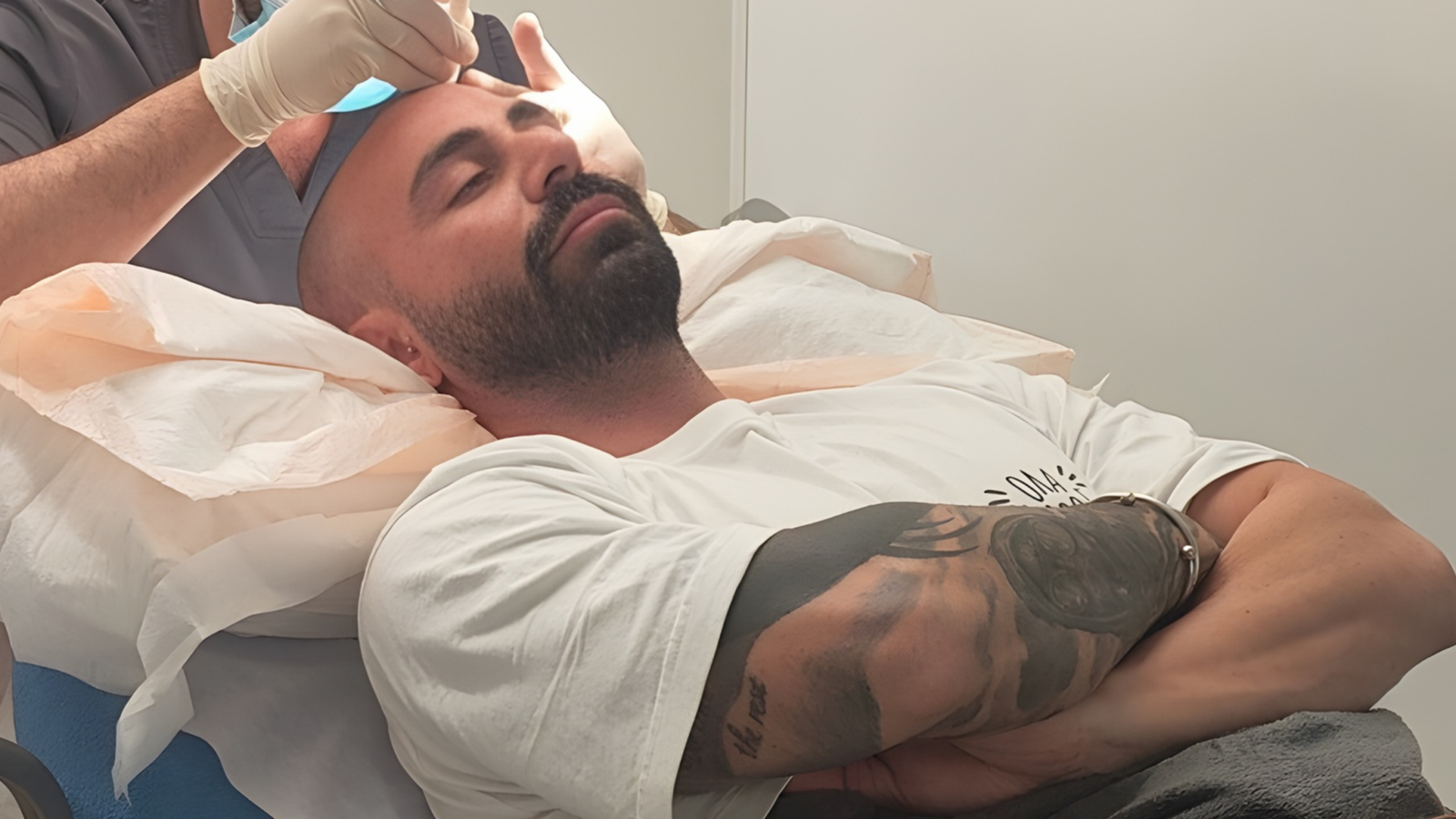
Introduction: Why Timing Matters in Hair Transplant Success
When considering a hair transplant, many patients ask: what is the best age for a hair transplant? While techniques have significantly advanced, timing remains the single most important factor in achieving natural, long-lasting results.
However, does timing affect the effectiveness of the procedure itself? Not exactly. Instead, timing determines whether your results will remain consistent, balanced, and aesthetically pleasing over time.
So, when is the right moment to act? And more importantly, when should you wait? Let’s explore everything you need to know.

Understanding Hair Loss Progression
Does Hair Loss Happen Suddenly or Gradually?
Hair loss, especially male pattern baldness, develops gradually. It does not occur overnight. Instead, it follows a predictable pattern over time. According to the American Academy of Dermatology, most men experience progressive thinning that evolves over decades.
Typically, hair thinning begins in the late teens or early twenties, often starting with a gradual recession at the temples. Over time, thinning may also become noticeable at the crown, and as the condition progresses, it usually reaches a point where it stabilizes.
Therefore, understanding this progression is essential before considering a hair transplant.
Why Is Hair Loss Stability So Important?
You might ask why not get a transplant as soon as hair loss starts.
If your hair loss is still advancing, the procedure may not deliver lasting results. As your natural hair continues to fall, the transplanted hair may appear uneven or isolated.
Consequently, stability, not urgency, is the key to success.
What Is the Best Age for a Hair Transplant?
Is There a Perfect Age?
The best age for a hair transplant is generally considered to be between 25 and 45 years old. But why is this range ideal?
What Makes This Age Range Optimal?
At this stage, hair loss patterns become more predictable, the donor area remains stronger and denser, and surgeons are able to design a natural-looking hairline with a long-term perspective.
Moreover, patients in this range tend to achieve higher satisfaction rates and more stable outcomes.
Is Age More Important Than Hair Condition?
Not necessarily. A key question is whether age alone determines candidacy.
The answer is no. A 28-year-old with stable hair loss may be an excellent candidate, while a 35-year-old with ongoing thinning may not be ready.
Therefore, stability always outweighs age.
Hair Transplant in Your 20s: Is It Too Early
Can You Get a Hair Transplant in Your 20s?
Yes, but should you? That depends on your hair loss pattern.
What Are the Benefits?
It restores a more youthful hairline, boosts confidence from an early stage, and helps prevent the progression to visibly noticeable balding.
Additionally, modern techniques like FUE hair transplant and its advanced form, Direct FUE, deliver natural-looking results even at a young age.
What Is Direct FUE and Why Is It Important?
Direct FUE is an advanced evolution of the classic FUE technique. In this method, hair follicles are extracted and implanted more directly, as grafts are being implanted with the use of a Choi implanter, reducing the time they remain outside the body.
As a result:
- Graft survival rates improve
- Healing is faster
- Results appear more natural and denser
This makes Direct FUE a preferred option for patients seeking precision and long-term quality results.
Expert Approach at Clinique de Monsieur
What Makes a Successful Hair Transplant Strategy?
At Clinique de Monsieur, success begins with a personalized approach.
How Is Each Treatment Customized?
Every patient receives:
- A tailored hairline design
- Strategically placed grafts using advanced techniques such as Direct FUE, where grafts are being implanted with the use of a Choi implanter for maximum precision
- A long-term restoration plan
What Are the Risks?
However, there are important drawbacks:
- Hair loss may continue after the procedure
- You may need multiple surgeries
- Long term hairline design becomes challenging
How Can You Reduce These Risks?
To minimize complications:
- Wait until hair loss stabilizes
- Follow expert medical advice
- Develop a long-term restoration plan
Ultimately, patience can significantly improve your final outcome.
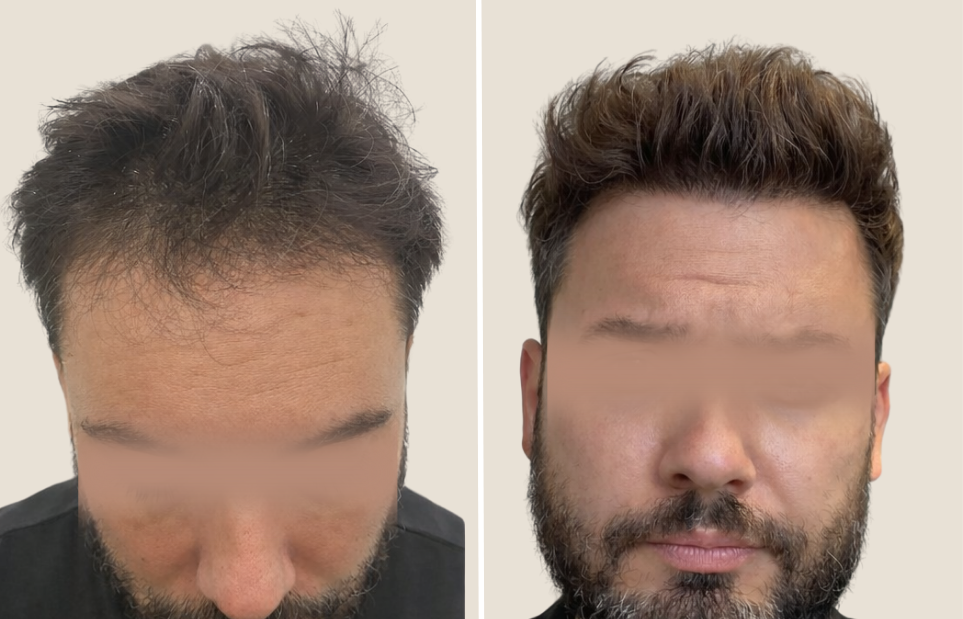
Hair Transplant in Your 30s and 40s: The Ideal Timing
Why Is This the Best Time for a Hair Transplant?
Most specialists agree that your 30s and 40s offer the ideal window. But what makes this stage so effective?
What Are the Advantages?
- Hair loss progression is easier to evaluate
- Donor areas remain strong and reliable
- Hairline design becomes more precise
Additionally, advanced techniques such as Direct FUE allow surgeons to maximize graft survival and create highly refined, natural-looking hairlines.
As a result, surgeons can create a natural age-appropriate look that lasts for years.
Do Patients Need Fewer Procedures?
Yes. Patients in this age group often:
- Require fewer corrective treatments
- Experience more predictable results
- Achieve higher long-term satisfaction
Therefore, timing your procedure during this phase often leads to the best outcomes.
Is There an Upper Age Limit for Hair Transplants
Can You Be Too Old for a Hair Transplant?
Surprisingly, no. There is no strict upper age limit.
Many patients in their 50s, 60s and even 70s successfully undergo hair transplant procedures.
What Matters More Than Age?
Instead of age, specialists evaluate:
- Overall health condition
- Donor hair quality
- Realistic expectations
Can Older Patients Still Get Natural Results?
Absolutely. As long as the donor area is sufficient, even older patients can achieve excellent natural-looking results, especially with modern methods like Direct FUE.
Key Factors That Matter More Than Age
What Makes Someone a Good Candidate?
If age is not everything, what truly matters?
A strong candidate typically has:
- Stable hair loss pattern
- Dense and healthy donor hair
- Good scalp condition
- Realistic expectations
Why Are These Factors Crucial?
Because they directly influence:
- Graft survival
- Hair density
- Long term appearance
Even at the ideal age, poor donor quality can compromise results.
Should You Get a Professional Consultation?
Yes. A professional evaluation helps determine:
- The right timing
- The best technique including whether Direct FUE is suitable
- Your long-term strategy
What Happens If You Get a Hair Transplant Too Early?
What Are the Risks of Early Hair Transplant?
Acting too soon can lead to several complications.
Common Risks Include
- Continued hair loss behind transplanted areas
- Uneven or patchy appearance
- Need for additional procedures
Why Do These Problems Occur?
Because your natural hair continues to thin while transplanted hair remains permanent. Consequently, this creates imbalance over time.
How Can You Avoid These Issues?
- Wait until hair loss stabilizes
- Follow medical advice carefully
- Plan for long term results
In short, proper timing protects both your appearance and your investment.
Expert Approach at Clinique de Monsieur
What Makes a Successful Hair Transplant Strategy?
At Clinique de Monsieur, success begins with a personalized approach.
How Is Each Treatment Customized?
Every patient receives:
- A tailored hairline designs
- Strategically placed grafts using advanced techniques such as Direct FUE
- A long-term restoration plans
Why Is Long Term Planning Essential?
Because hair restoration is not just about today, it is about how your hair will look in 5, 10 or even 20 years.
Therefore, planning ahead ensures:
- Natural aging of your hairline
- Consistent density
- Long lasting confidence
Conclusion: The Right Timing Leads to the Best Results
So, what is the best age for a hair transplant? While the ideal range is typically 25 to 45, the real answer depends on hair loss stability, donor quality, and long-term planning.
Ultimately, timing determines whether your results will look natural and remain consistent over time. Acting too early can lead to complications, while waiting for the right moment maximizes success.
If you are considering a hair transplant, the smartest next step is expert guidance.
Book your consultation with Clinique de Monsieur today and discover a personalized plan designed for lasting natural results.