


Introduction
What is the importance of graft survival in hair transplantation?
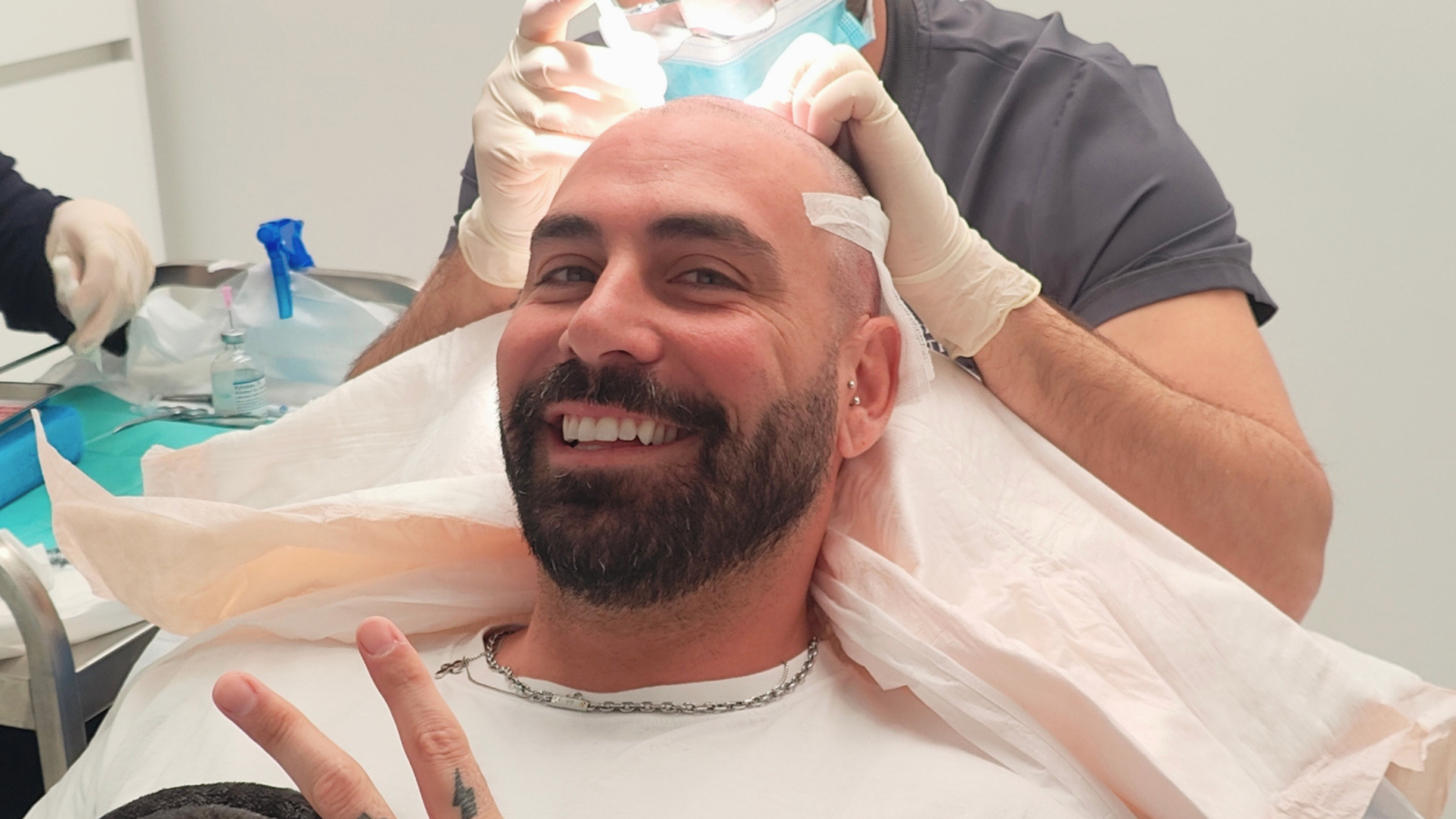
Although numerous patients judge a successful hair transplant based on the total number of grafts removed or inserted into the recipient area, it is the actual number of those grafts that develop a full head of hair that truly defines the end result. In essence, regardless of the sophistication of the procedure utilized, the ultimate success of the hair restoration surgery is dependent upon how well the grafts have survived. At Clinique De Monsieur, we emphasize that a successful hair restoration outcome is determined by not only the quality of extraction and placement of the grafts but also the preservation of the health and viability of each individual graft. Furthermore, with advanced direct extraction and implantation techniques such as Direct FUE, grafts are being implanted with the use of Choi implanter, surgeons are able to minimize trauma to the grafts during the entire process and therefore optimize the potential for successful graft development.
In this article, we discuss what graft survival represents, why it is important, which variables affect it, and how new techniques are optimizing outcomes.
What is graft survival in hair transplantation?
What does graft survival actually represent?
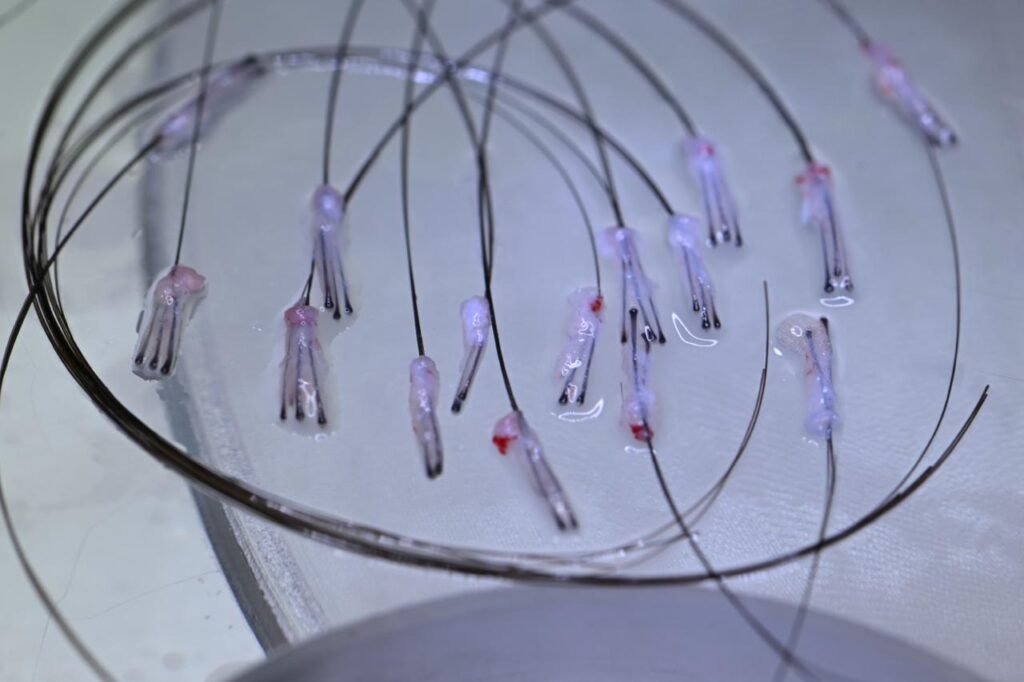
Graft survival is defined as the percentage of transplanted grafts that continue to produce hair after the completion of the hair transplant procedure. Essentially, it quantifies how many of the grafts that were transplanted remained viable and produced sufficient growth.
For example, if a surgeon has transplanted 1000 grafts and 900 produce growth, then the graft survival rate would be 90%.
Why don’t all of the grafts survive?
All grafts do not survive due to several reasons. Grafts represent highly delicate biological entities. As a result, they are susceptible to injury resulting from either improper handling or excessive manipulation of the graft. Additionally, grafts can suffer from dehydration as well as improper placement.
That being said, at an elite level of hair restoration clinics, the average graft survival rate ranges from 85% to 95%, representing optimal results, as also supported by research from the National Center for Biotechnology Information.
Why is graft survival so crucial for natural results?
How will graft survival affect hair density?
The survival rate of the grafts will directly determine the final hair density. If the survival rate is high, there will be greater coverage and therefore improved visual density. Conversely, lower survival rates will create uneven distribution of hair across the scalp and therefore increase the likelihood of exposure of the scalp.
Does graft survival impact long term success?
Yes, it certainly does. With high graft survival rates, results are likely to be more stable and longer lasting. Conversely, if graft survival is low, there will be an increased risk of uneven or spotty hair regrowth. Additionally, lower graft survival rates will necessitate subsequent procedures to correct the inadequate growth. This will increase both time and cost for the patient.
Which variables affect graft survival?
What are the key factors that will either enable or limit the viability of the grafts to survive and produce hair after transplantation?
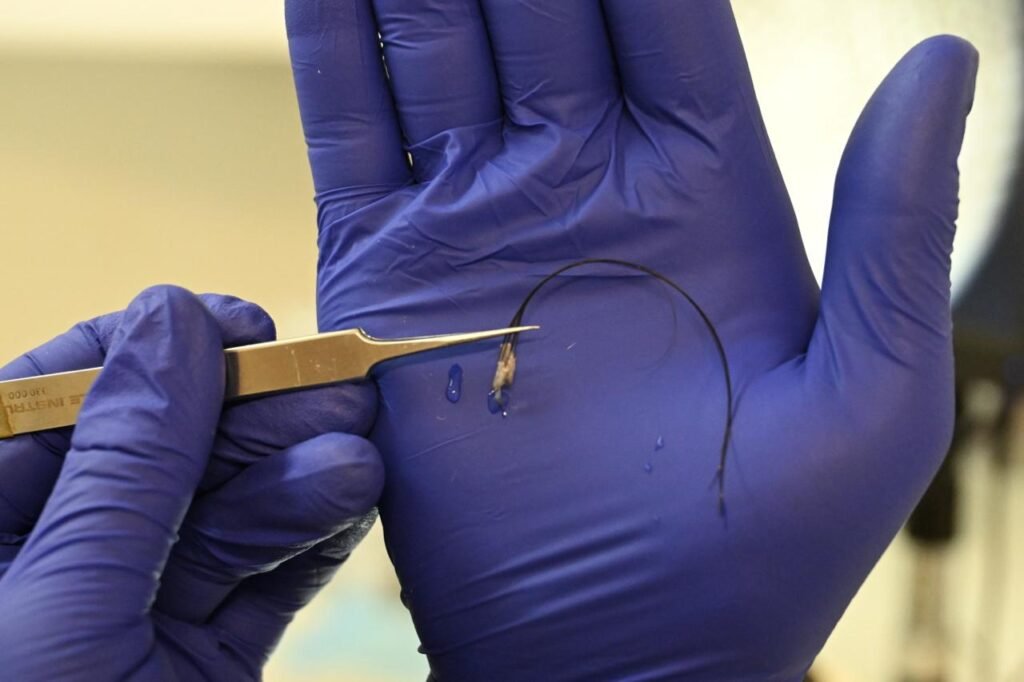
There are several variables that affect graft survival. Most importantly, however, are:
• quality of donor hair
• technique used to extract grafts
• amount of time grafts remain outside of human body
• storage conditions
• surgical team experience and qualifications
• condition of scalp
Can these variables be controlled by the clinic or surgeon?
Mostly. Variables like donor hair quality and condition of scalp are largely dependent on genetics and age. However, variables related to technique, time outside the body, storage conditions, and surgical expertise can be controlled by selecting an experienced clinic.
How Direct FUE enhances graft survival
Why is Direct FUE considered an advanced technique?
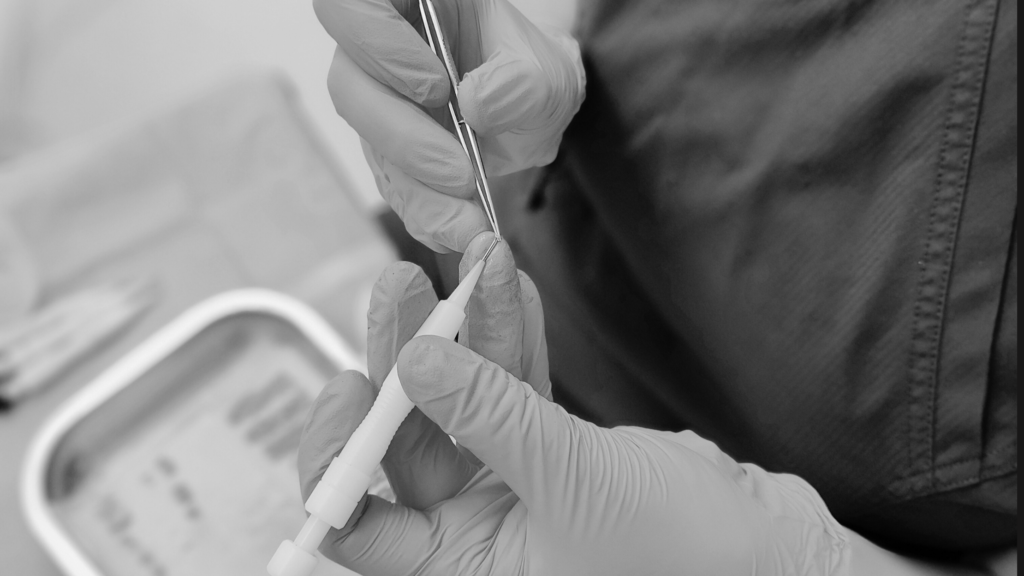
Direct FUE represents a significant advancement in hair transplantation because it allows for precise extraction and immediate implantation of grafts. This reduces unnecessary handling and minimizes the time grafts remain outside the body.
How does this technique improve survival rates?
With Direct FUE, grafts are being implanted with the use of Choi implanter, allowing for precise control of angle, depth, and direction. As a result, trauma to the grafts and surrounding tissue is minimized.
This approach leads to improved graft survival and more consistent results.
Common mistakes that reduce graft survival
What errors can negatively impact graft survival?
• excessive handling of grafts
• improper storage conditions
• inaccurate placement
• overpacking grafts
• lack of experience
What are the consequences of poor graft survival?
When graft survival is compromised, patients may experience uneven growth, reduced density, and unnatural results.
How patients can improve graft survival after surgery
What should patients do?
- follow post-operative instructions
- avoid touching the scalp
- sleep with head elevated
- avoid sweating
- follow washing protocol
The Clinique de Monsieur approach
At Clinique De Monsieur, we treat graft survival as a balance between scientific precision and aesthetic excellence.
Conclusion
Graft survival is the foundation of every successful hair transplant. While the number of grafts matters, their survival determines the final density, appearance, and longevity of results.
At Clinique De Monsieur, we prioritize graft survival at every stage of the procedure to ensure natural and long lasting outcomes.
If you are considering a hair transplant, schedule your consultation and experience the difference expert care makes.