


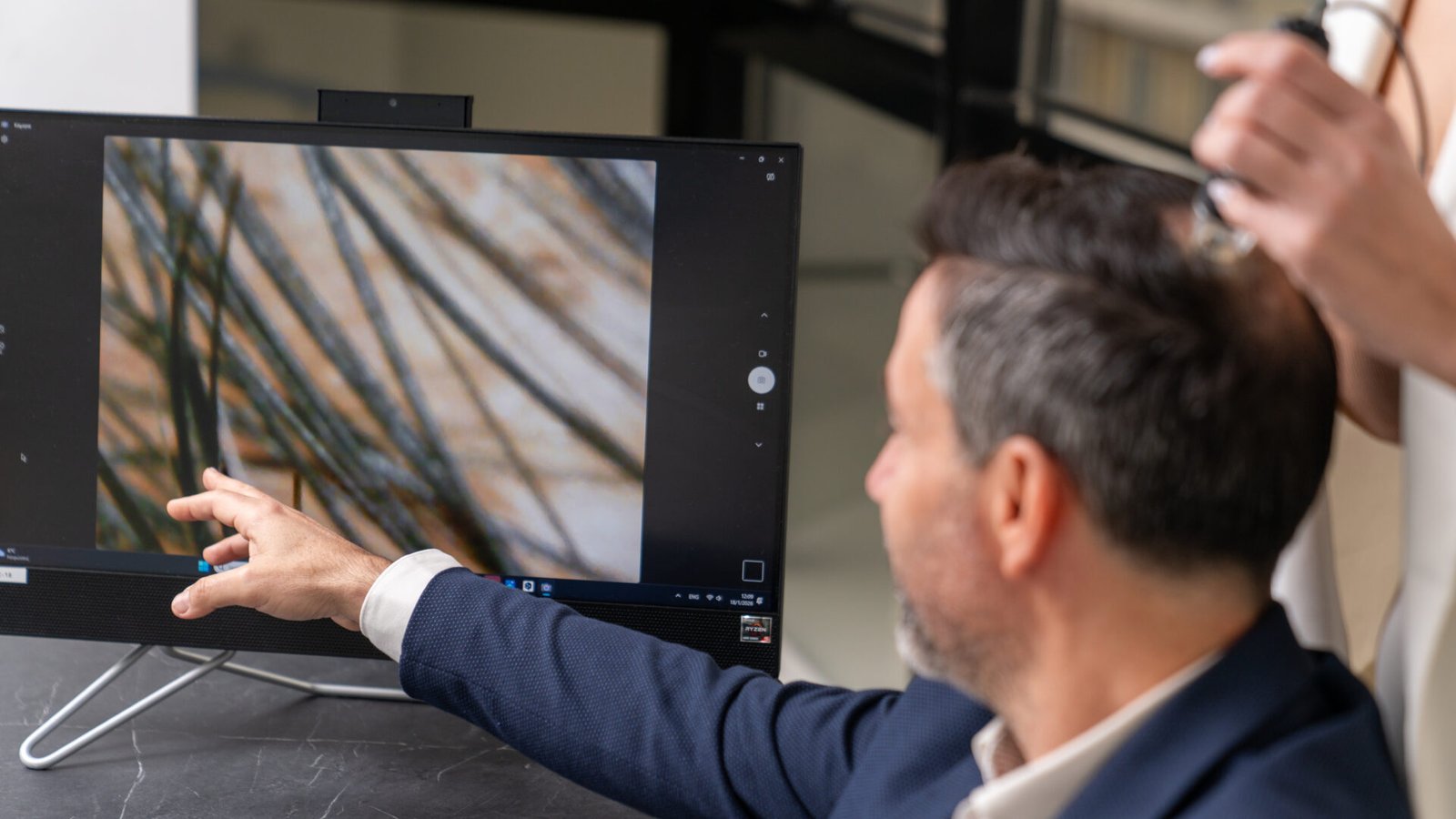
Introduction
Why should the hair transplant back of head be seen as the fundamental component of all successful hair restoration treatments?
Although many individuals concentrate on the recipient site, a hair transplant’s ultimate success relies heavily on the donor site at the base of the head. The donor area contains healthy follicle cells that will establish the final product’s density and durability as well as the quality.
For obtaining an authentic look and long term results, we emphasize that proper donor region management is essential. Additionally, utilizing current direct to recipient implantation techniques like direct fue, our clinicians can make sure that the grafts are placed precisely and with a minimum amount of trauma to the recipient region during the operation.
In this report, we discuss why the back of the head is critical, how grafts are taken out, what limits exist, and how good planning leads to better outcomes.
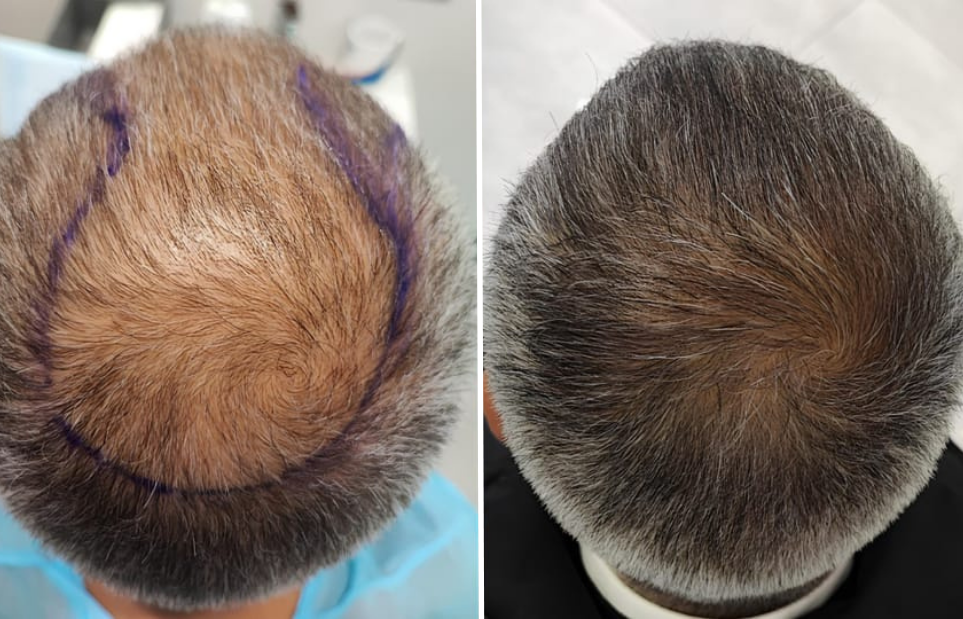
What is the donor site in a hair transplant?
What constitutes a donor site?
A donor site represents the section of the posterior part of the skull which has a high degree of resistance to baldness. It is frequently referred to as the safe donor zone since regardless of whether or not an individual experiences baldness, his or her follicles have little to no exposure to dihydrotestosterone DHT, one of the hormones accountable for causing hair loss.
Why is this area utilized for grafting?
It is used as a result of the fact that those follicles possess a high degree of resistance after grafting. That is to say that if these follicles are relocated into an area which previously experienced baldness, they continue to develop indefinitely.
Thusly, the donor site serves as a major source of strong and persistent hair follicles.
Why does the hair remain permanent post grafting?
Why does grafted hair appear to be permanent?
Due to the fact that the roots preserve their inherent properties. That is to say that the follicles’ development pattern remains unchanged after relocation.
Consequently, the moment these roots are transplanted, they develop just as they would if they were still present in the donor site.
The key benefits include
- Resistance to DHT
- Long term development
- Good quality follicular units
- Predictable and consistent outcomes
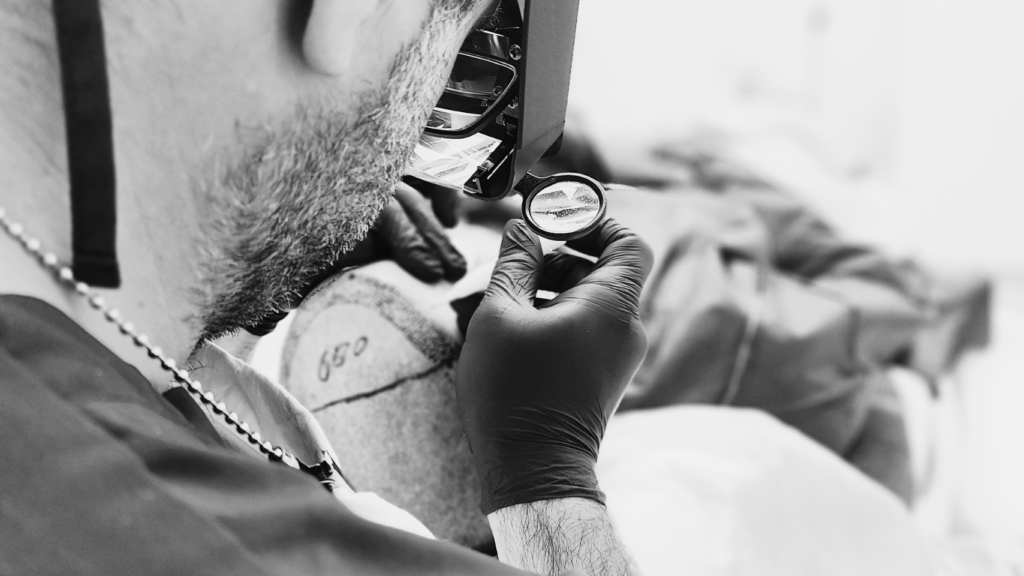
How are grafts obtained via Direct Fue?
What occurs during direct fue graft extraction?
Using specific micro instruments, direct fue entails extracting individual follicular units from the donor site. These tools provide for accurate removal of follicles while limiting harm to surrounding tissue.
Why is precision so important?
Because poor extraction methods may cause damage to follicles and lower their survival rate. Thusly, superior extraction technologies are vital for protecting graft quality.
By employing direct fue and then placing grafts immediately after extraction with Choi implanter, this method enables controlled placement.
What are the advantages of this methodology?
- Minimum trauma to scalp
- Little or no visible linear scarring
- Preservation of donor density
- Rapid recovery
What happens in regards to the donor region following extraction?
Does the donor region entirely recover?
Indeed, due to the minimal invasive nature of direct fue, the donor region normally recovers rapidly. Micro extraction sites usually close up naturally inside several days.
Are there any visible scars?
In general, although some noticeable scarring may occur with most patients post procedure, it is generally minor and nearly undetectable when done correctly by skilled practitioners.
Patients can anticipate
- Rapid healing
- Limited discomfort
- Normal appearance once healed
- No obvious signs of extraction
How many grafts may be harvested from the base of the skull?
Is the donor region unrestricted?
No, the donor region has its own set of constraints. As a consequence, there needs to be appropriate preparation to ensure long term success.
Which factors determine donor capacity?
There are a number of elements that affect the capability of the donor region
- Density of hair in donor region
- Elasticity of scalp
- Thickening and quality of hair
- Degree of baldness
Because of these variations in addition to others, each patient necessitates a customized plan.
Risks involved in excessively removing follicles from the donor site
What constitutes over harvesting?
Over harvesting occurs when excessive amounts of grafts are harvested from the donor site resulting in visible thinning within the donor region and or patchiness or unevenness within said region.
Why is this an issue?
When excessive amounts of grafts are removed from the donor site, it may contribute to
- Visually evident thinning within donor zone
- Irregular or patchy look
- Reduced availability for future treatments
To avoid both aesthetic and medical complications, a balance must be maintained.
How does direct fue promote protection of donor region while improving final outcome?
How does direct fue improve safety for the donor region?
Direct fue permits surgeons to remove grafts in a uniform manner and at strategic areas thereby reducing injury to surrounding hairs.
How does direct fue enhance overall result?
This technique enables clinicians to place grafts with precision and optimal development conditions through employment of Choi implanter.
Advantages include
- Even extraction
- Less trauma to recipient site
- Higher survival rate of grafts
- More dense growth
Due to these positive aspects, patients receive aesthetically pleasing results along with sustainable long term outcomes.
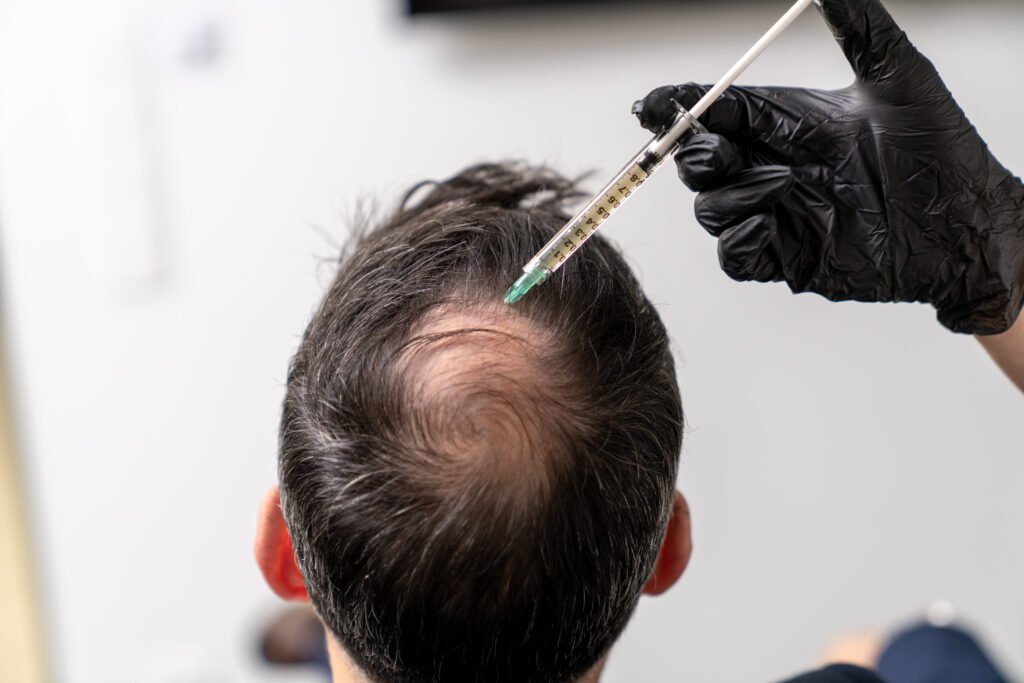
Clinique de Monsieur philosophy concerning treatment planning for donor regions
What makes your philosophy different than other clinics?
At Clinique de Monsieur, we treat the donor region as an extremely restricted resource requiring very exact and meticulous handling.
How do you ensure optimal results?
We take advantage of two key components
- Comprehensive evaluation of donor regions
- Individualized treatment planning
- Precise selection and extraction of grafts
- Employment of direct fue technique
- Grafts are being implanted with the use of Choi implanter
Why is this philosophy successful?
Since our philosophy strikes a balance between short term outcomes and long term sustainability, we enable our clients to benefit from aesthetically pleasing results along with preserving available donor resources.
Conclusion
Why is the donor area at the back of the head so important in hair transplantation?
Because it forms the foundation of every successful procedure. The final outcome depends on the quality, quantity, and proper management of this region.
Moreover, achieving optimal results requires not only advanced techniques such as Direct FUE, but also careful planning and expert execution. When grafts are being implanted with the use of Choi implanter, precision and graft survival are significantly enhanced.
At Clinique de Monsieur, we focus on delivering natural, refined, and long-lasting results by prioritizing donor area management at every stage of the procedure.
If you are considering a hair transplant, we invite you to schedule a personalized consultation and discover how expert care can optimize your results with Clinique De Monsieur.