



Introduction
Hair loss is widespread, and millions of people around the world suffer from it. As a result, many people seek effective hair restoration solutions to regain their hairline and self-confidence. But how exactly is a hair transplant performed, and what can you expect to happen throughout the entire process?
Fortunately, modern hair transplant techniques make hair transplant surgery safer and more precise than ever before. In addition, these techniques allow for the creation of a much more natural hairline. At Clinique de Monsieur, we specialize in providing advanced hair restoration services and offer our clients the opportunity to achieve long-lasting and natural results.
Below is a step-by-step explanation of how a hair transplant works and answers to the most common questions patients have about the procedure, from your first appointment to the final stage of hair growth.
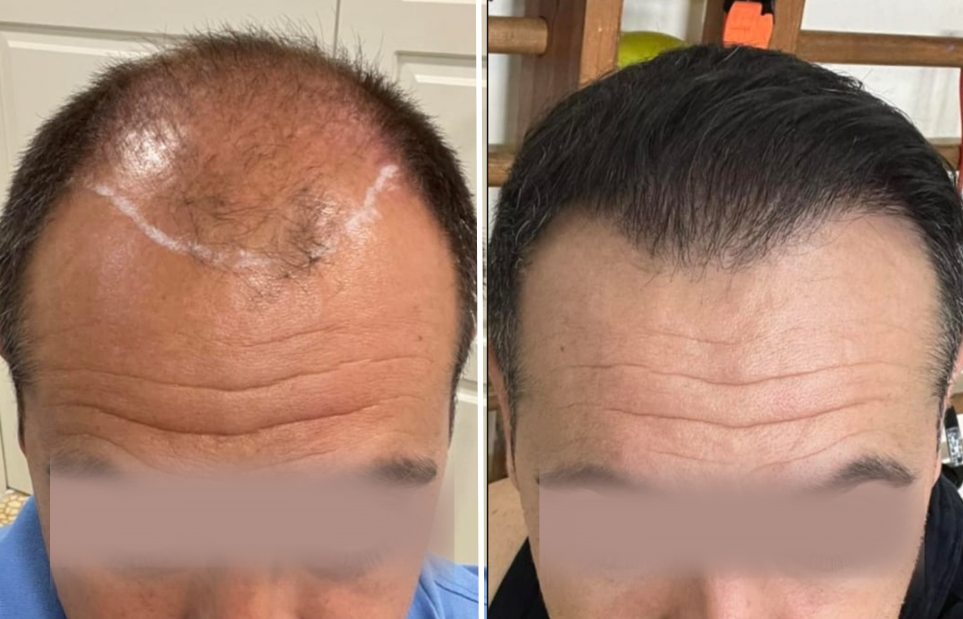
What Is a Hair Transplant?
People who are considering having a hair transplant often wonder what exactly a hair transplant is.
A hair transplant is a medical procedure in which doctors move healthy hair follicles from the donor area of the scalp to areas where there is thinning or baldness. Usually, the donor area is located at the back or sides of the head because the hair in these areas is genetically resistant to hair loss.
Modern hair transplant techniques have evolved into one of the most reliable long-term solutions for treating hair loss.
Why Would Someone Get a Hair Transplant?
There are several reasons why someone may lose their hair. Some examples include:
• Genetic factors
• Hormonal changes
• Stress or other lifestyle factors
• Medical conditions
Due to the above causes, many people look for permanent hair restoration solutions. A hair transplant is an ideal solution for these people. Because transplanted hair follicles continue to produce hair for many years, a hair transplant is not a temporary solution like other treatments.
What Makes Modern Hair Transplants So Successful?
Today, hair restoration specialists usually use the Direct FUE technique when performing a hair transplant. With the Direct FUE technique, individual hair follicles are extracted from the donor area and placed separately in areas of the scalp where there is thinning.
More information about modern hair restoration techniques can be found through the American Academy of Dermatology, which explains how follicular unit extraction offers natural results and minimal scarring.
As a result of using this method, patients enjoy benefits such as:
• Natural hairline
• Less scarring
• Shorter recovery time
• Long-term hair growth
Thus, by understanding the hair transplant process step by step, patients are better prepared to begin treatment.
Step 1: Initial Consultation and Hair Assessment
Why Is the Initial Consultation Important?
Many patients wonder: What happens during a hair transplant consultation?
The initial consultation is one of the most important stages of the process. At this point, a hair transplant specialist examines the patient’s hair loss and decides whether they are a suitable candidate for the procedure.
What Does the Doctor Examine?
During the consultation, the specialist will assess:
• The density of the donor area
• The extent of the hair loss
• The patient’s medical history
• The patient’s expectations and goals
In addition, the doctor will estimate the number of grafts needed to achieve the best result.
Questions Patients Should Ask
In addition to a complete assessment of hair loss and information about the most suitable hair transplant technique, patients can ask:
• Which hair transplant technique is right for me?
• How many grafts will I need?
• What will my new hairline look like?
By asking these questions early on, the clinic can create a personalized hair restoration plan that meets the patient’s needs.
Step 2: Preparation for the Hair Transplant Procedure
What Should Patients Do Before the Hair Transplant?
Once the procedure is scheduled, many patients want to know: What should I do before a hair transplant?
Proper preparation is an important part of achieving the best possible results.
Instructions Before the Procedure
The doctor usually recommends the following:
• Avoid alcohol for a few days before the procedure
• If possible, stop smoking
• Do not take blood-thinning medications
• Wash your hair with a special medical shampoo
These actions help prevent complications and promote successful graft survival.
What Happens When You Arrive at the Clinic?
When you arrive at the Clinique de Monsieur, the medical staff will prepare you for the procedure.
First, the surgeon will design the new hairline based on your facial features and hair density. Then, local anesthesia will be applied so that you are comfortable and pain-free during the procedure.
This way, you will remain awake but comfortable throughout the hair transplant.
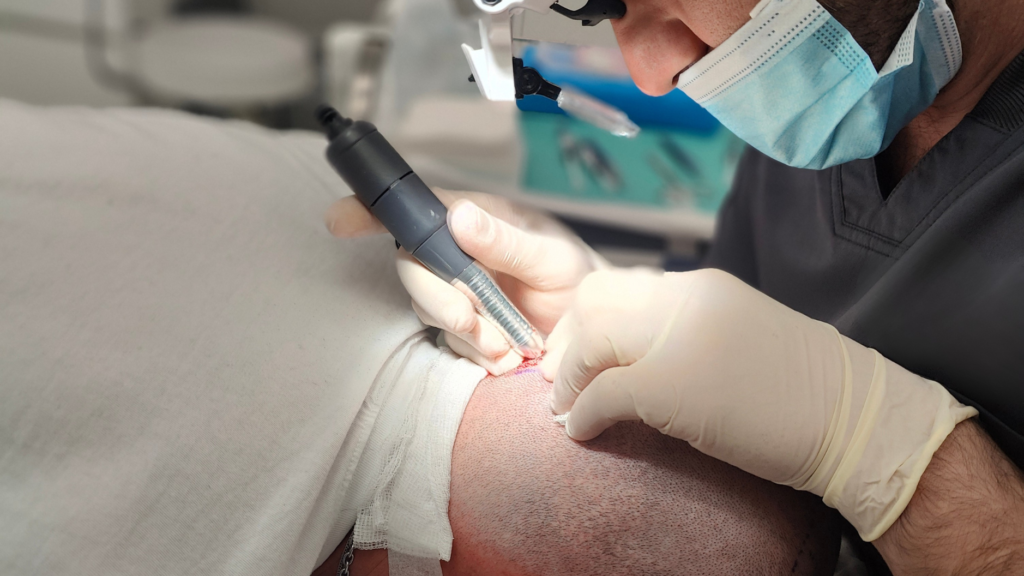
Step 3: Removal of Hair Follicles from the Donor Area
How Are Hair Follicles Removed?
A very common question is: How are hair follicles removed during a hair transplant?
Most modern clinics use the Direct FUE technique to remove the follicles.
The Direct FUE Extraction Process
At this stage:
• Local anesthesia is applied to the donor area
• Individual follicular units are carefully removed
• Each graft is kept in a special nutrient solution
Because the follicles are removed one by one, this method significantly reduces visible scarring.
Why Is the Donor Area Important?
The donor area provides the healthy follicles that will be used for the transplant. Because these follicles are genetically resistant to hair loss, they continue to grow even after being transferred.
For this reason, the proper selection of follicles is important to ensure long-term hair transplant results.
Step 4: Recipient Area
How Is a Natural Hairline Created?
After removing the follicles from the donor area, patients often ask: How do doctors create a natural hairline?
Creating a natural hairline requires a combination of medical knowledge and an artistic approach.
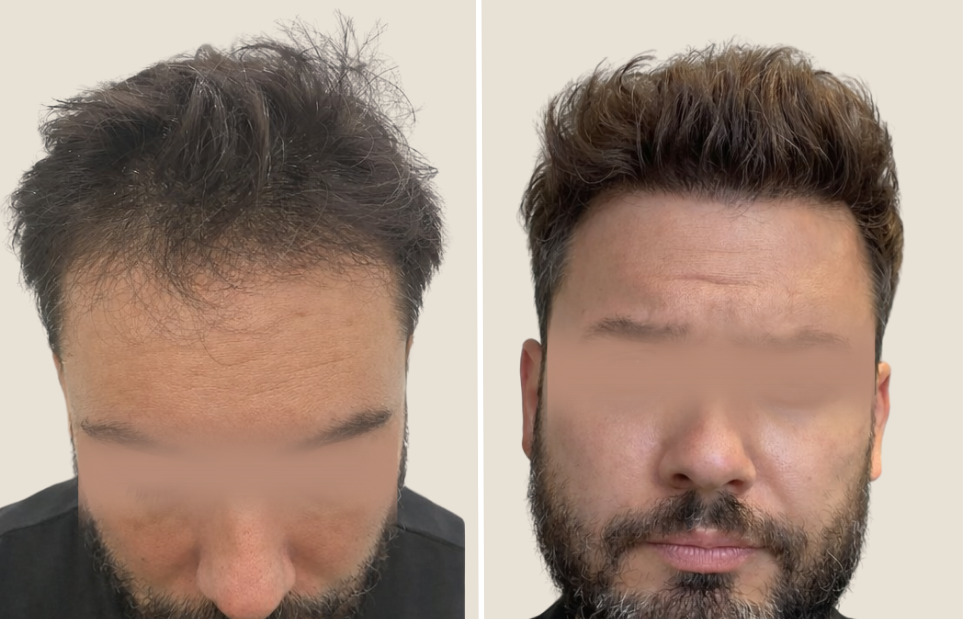
Hairline Design
The surgeon designs the new hairline taking into account:
• Facial proportions
• Age
• Hair growth pattern
• The possible future progression of hair loss
Because every face is unique, personalized design creates more natural results.
Preparation of the Recipient Area
After designing the hairline, the surgeon creates directly implants the grafts with the use of Choi Implanter in the recipient area.
The use of implanter determine:
• The direction of hair growth
• The density of the transplanted hair
• The final appearance of the result
Precision at this stage is crucial for creating natural hair transplant results.
Step 5: Placement of the Grafts
How Are the Grafts Placed?
When the recipient area is ready, another common question arises: How are the grafts implanted?
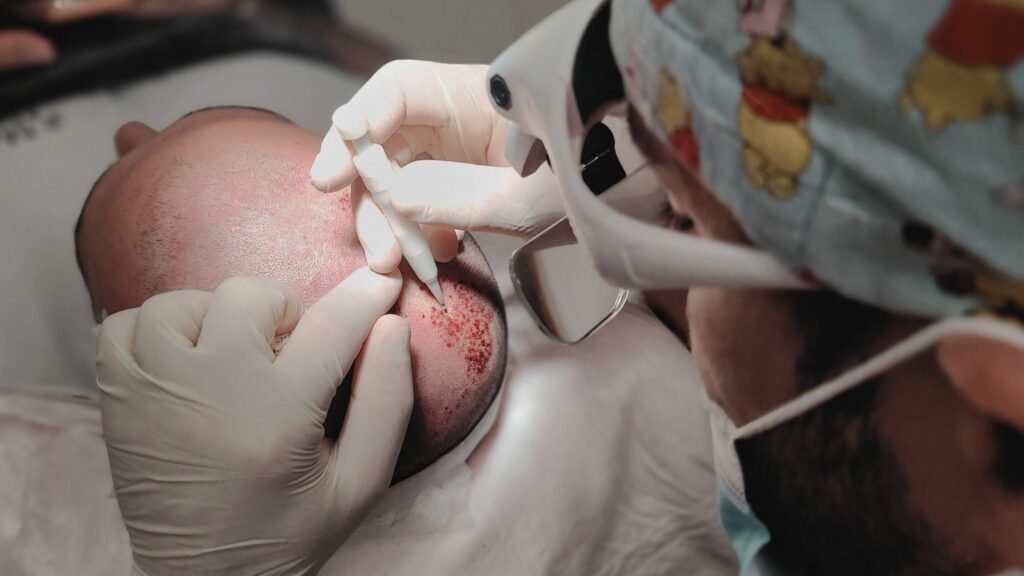
The Implantation Process
The process includes:
• Selecting the healthiest grafts
• Placing each graft at the correct angle
• Even distribution for natural density
Depending on the number of grafts, this stage may take several hours.
The Importance of Precision
The correct placement of the grafts ensures:
• Correct direction of hair growth
• Even density
• A successful transplant result
That is why the doctor’s experience is crucial for the best hair transplant results.
Step 6: Recovery and Post-Operative Care
What Happens After the Hair Transplant?
Patients often want to know: What is the recovery process like after a hair transplant?
Fortunately, the recovery time after a Direct FUE transplant is usually short.
Immediate Symptoms After the Procedure
After the procedure, patients may experience:
• Slight swelling
• Small crusts around the implantation sites
• Temporary redness
However, these symptoms usually subside within a few days.
Important Post-Operative Care Instructions
Doctors usually advise patients to:
• Do not touch the transplant area
• Sleep with the head slightly elevated
• Follow the recommended washing schedule
• Avoid intense physical activity for a period of time
By following these instructions, you protect the new follicles and support healthy hair growth.
Hair Transplant Results: What to Expect?
Is a Hair Transplant Permanent?
The most common question about hair transplantation is: Do the results last forever?
In most cases, yes. The transplanted hair continues to grow for many years.
Factors That Affect the Results
There are several factors that affect the final result, such as:
• The surgeon’s experience
• The quality of the donor area hair
• The number of grafts
• Proper post-operative care
Choosing an experienced clinic such as Clinique de Monsieur significantly increases the chances of natural and long-lasting hair restoration.
Conclusion
Understanding the hair transplant process helps patients feel more confident and prepared for the procedure. From the moment of the first consultation to the final stages of hair growth, each step plays an important role in the success of the restoration.
First, the specialist evaluates the hair loss and creates a personalized treatment plan. Then, the surgeons remove healthy follicles, prepare the implantation area, and place each graft with precision. After the procedure, proper care ensures correct healing and the growth of new hair.
Advanced technology, such as Direct FUE hair transplantation, allows Clinique de Monsieur to offer safe, precise, and aesthetically refined results.
If you are experiencing hair loss and looking for a permanent hair restoration solution, the next step may be to schedule a consultation with a specialized professional.
Send us photos of the area of concern and receive a free, personalized evaluation from the medical team at Clinique de Monsieur, together with the most suitable treatment proposal tailored to your needs.