


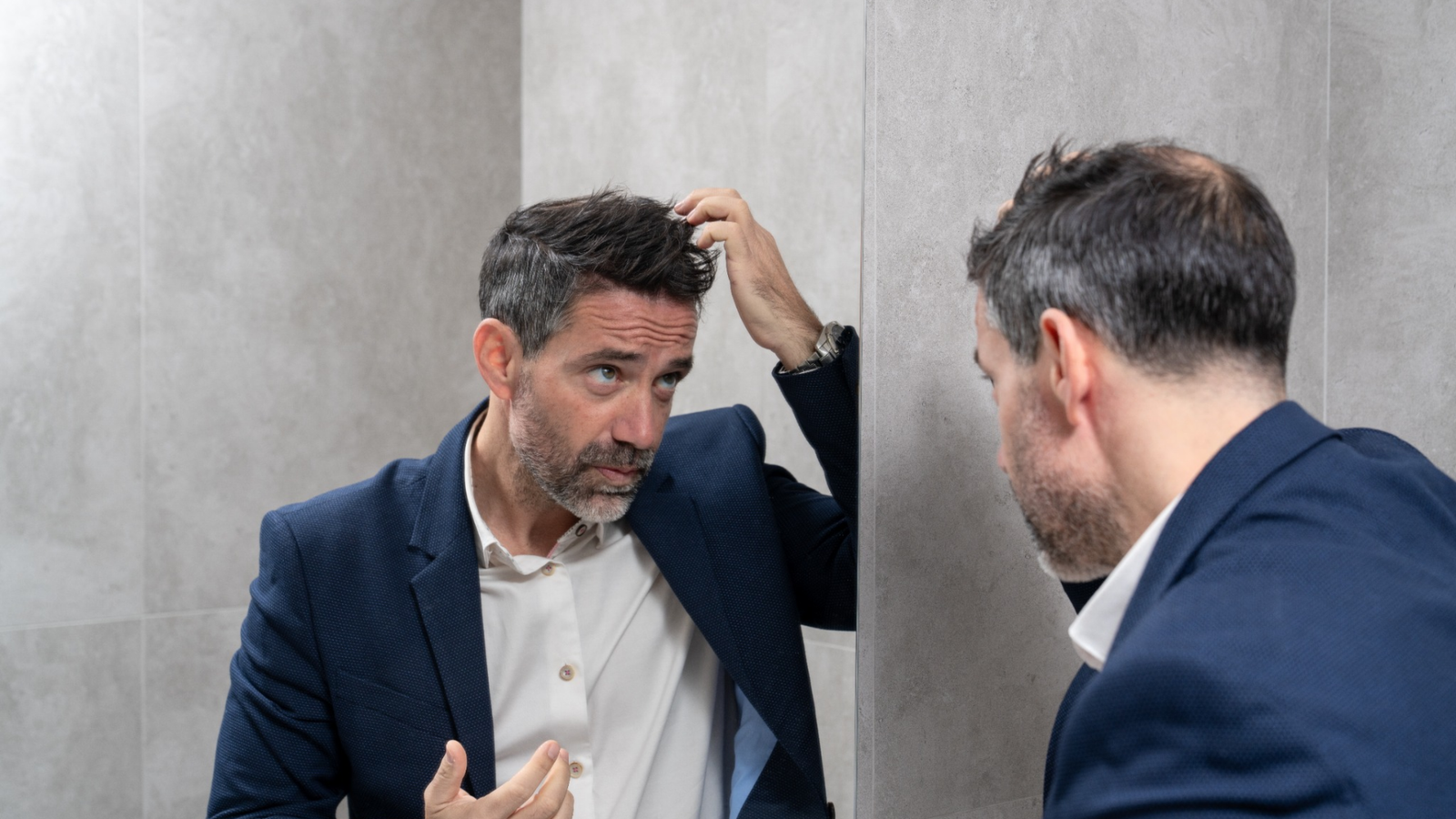
What should you be looking at in the months following your hair transplant?
You have made the decision to undergo a hair transplant, an incredibly powerful tool for addressing thinning and balding. However, do not be mistaken. While there is certainly potential for early visible changes, the ultimate outcome develops slowly and incrementally. That means you need to understand what to expect after your hair transplant has been completed, specifically when you might begin to see real progress.
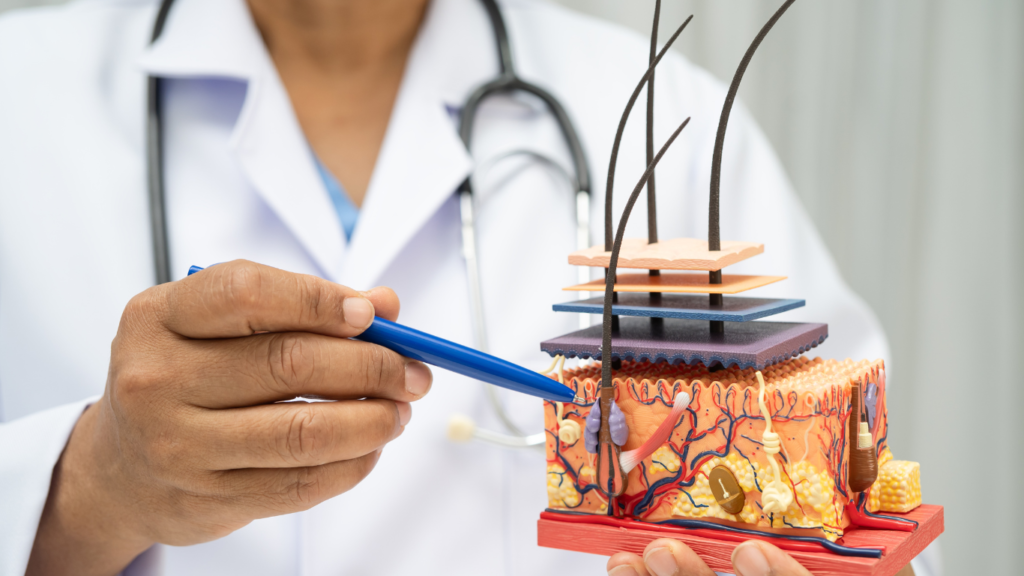
That is exactly why, at Clinique de Monsieur, we prioritize clarity and transparency when explaining the hair transplant month by month process. Knowing how your body heals and responds over time provides both reassurance and a sense of control.
Moreover, since we use the Choi implanter, we achieve exceptional precision in terms of placement, depth, and direction of each graft. As a result, this minimizes trauma to surrounding tissues, accelerates healing, and ultimately delivers natural-looking, long lasting results.
Below, we outline each phase of recovery you can expect following your procedure.
Phase one the first month after hair transplant
So, what happens in the first month after a hair transplant?
During the first month, your scalp focuses primarily on healing. You may experience mild redness, slight inflammation, and small scabs in the days immediately following your procedure. However, these symptoms gradually subside as your scalp recovers.
When do my new hairs fall out?
It is completely normal for newly transplanted hairs to begin falling out approximately two to four weeks after the procedure. This process is commonly referred to as shedding or shock loss.
Why does it take time before they begin falling out?
This delay occurs because your hair follicles experience temporary stress and enter a resting state. Although the hair shafts fall out, the follicles remain alive beneath the skin, preparing for future regrowth.
Shedding and resting phases months two to three
I do not see anything happening is this normal?
At this stage, many patients feel concerned because the scalp may look almost identical to its pre-transplant condition. However, this is completely expected.
Does everyone go through these same phases of recovery?
Yes, all patients go through this phase. During months two to three:
- All transplanted hairs have already fallen out
- Most follicles remain in the telogen phase
- There is minimal visible hair growth
What should I focus on during this time?
Patience becomes essential during this period. Although you cannot see visible results, the biological processes necessary for future growth are actively taking place beneath the surface.
Early signs of real progress months three to four
When will I start seeing actual hair growth?
Between months three and four, you will begin to notice the first signs of new hair growth.
What will the new hair look like?
Initially, the hair appears:
- Fine and light
- Softer than normal hair
- Slightly uneven in distribution
Why is this phase important?
This stage marks the transition of follicles into the anagen phase, which is the active growth phase. Therefore, this is when real hair restoration begins.
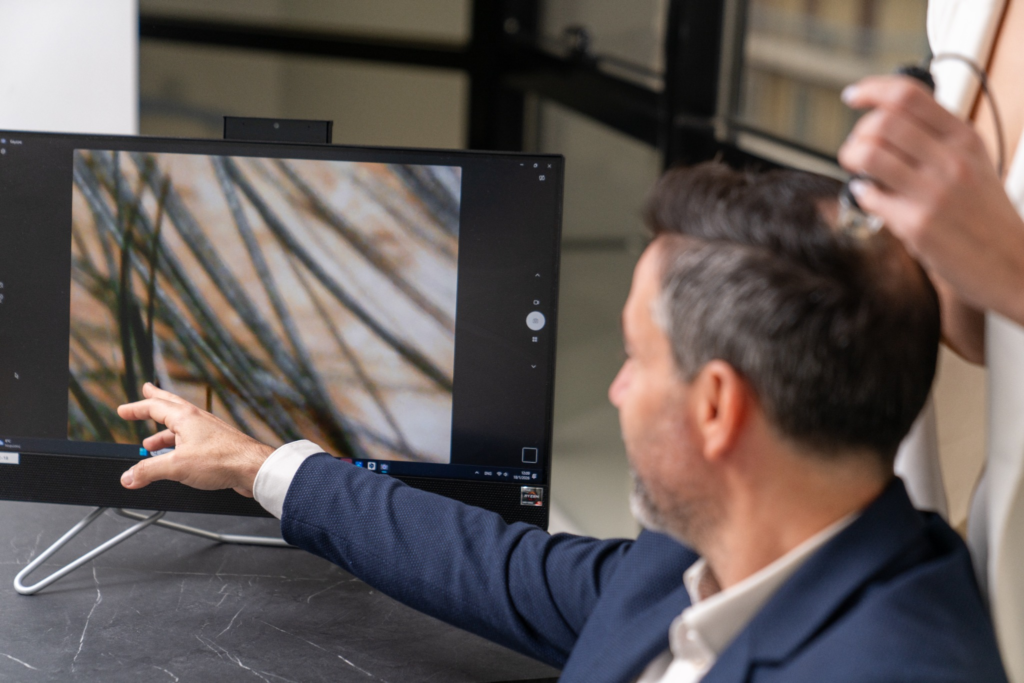
Visible progress in density months five to six
When will I notice real improvements in hair density?
Around six months after your procedure, you will begin to see noticeable improvements in density and coverage.
What kind of changes should I expect?
At this stage:
- Hair becomes thicker and stronger
- Density increases across treated areas
- The hairline appears more defined
How does direct Fue improve these results?
Since we use the Direct Fue technique, we achieve precise placement without creating prior channels. This allows full control over the angle, depth, and direction of each graft.
Significant progress toward your goal months seven to nine
Why do results become more dramatic during months seven to nine?
After month seven, hair growth becomes more consistent and visible. As a result, patients begin to experience a significant transformation.
What changes will I notice in my appearance?
During this phase, you will observe:
- Increased hair thickness
- Greater overall density
- Improved styling flexibility
How does this impact confidence?
As your appearance improves, your confidence naturally increases. Many patients feel that this is the stage where their results truly begin to reflect their expectations.
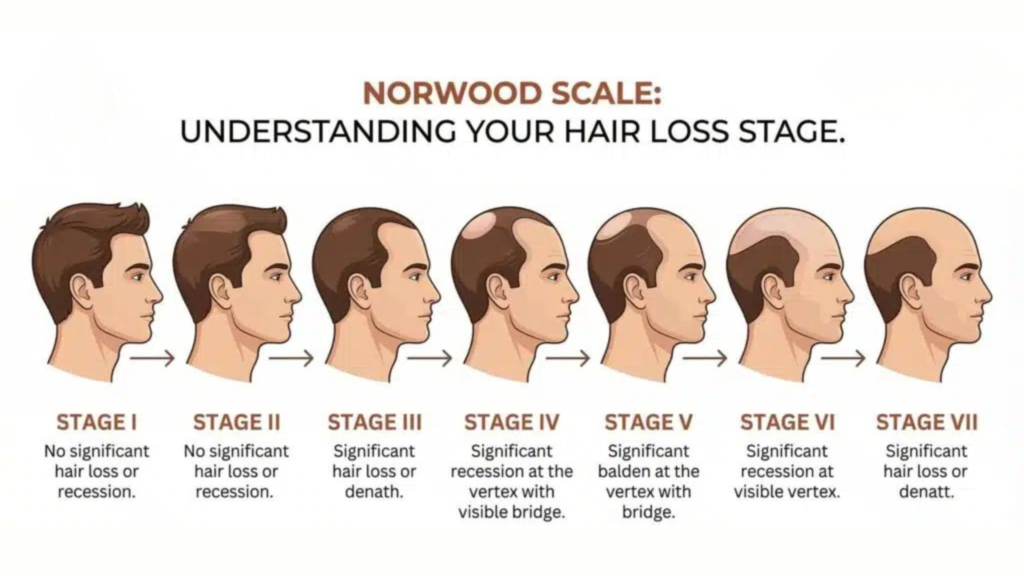
Final results and maximum density months nine to twelve
When will I see the final results of my hair transplant?
Most patients achieve their final results between nine and twelve months after the procedure.
What defines the final outcome?
At this stage:
- Full regrowth has occurred in transplanted areas
- Hair blends naturally with existing hair
- Density and coverage reach their maximum potential
Why is technique so important for long term results?
The success of the Direct Fue, ensures optimal graft survival and natural hair orientation. This precision is essential for achieving consistent, long-lasting results.
Conclusion
Understanding the hair transplant month by month timeline allows you to approach the entire process with confidence and realistic expectations. Although the initial shedding phase may seem discouraging, it is a necessary and temporary step toward achieving successful hair regrowth.
At Clinique De Monsieur, we combine advanced medical expertise with innovative techniques, using the Direct FUE, where the grafts are being implanted with the use of the Choi Implanter, to deliver precise, natural, and long-lasting outcomes.
With proper guidance, patience, and care, your hair will gradually transform. Ultimately, what begins as temporary shedding evolves into visible density, renewed confidence, and a lasting improvement in your overall appearance.
Are you ready to achieve the best possible results?
Schedule your consultation today and receive a personalized treatment plan tailored to your needs.