


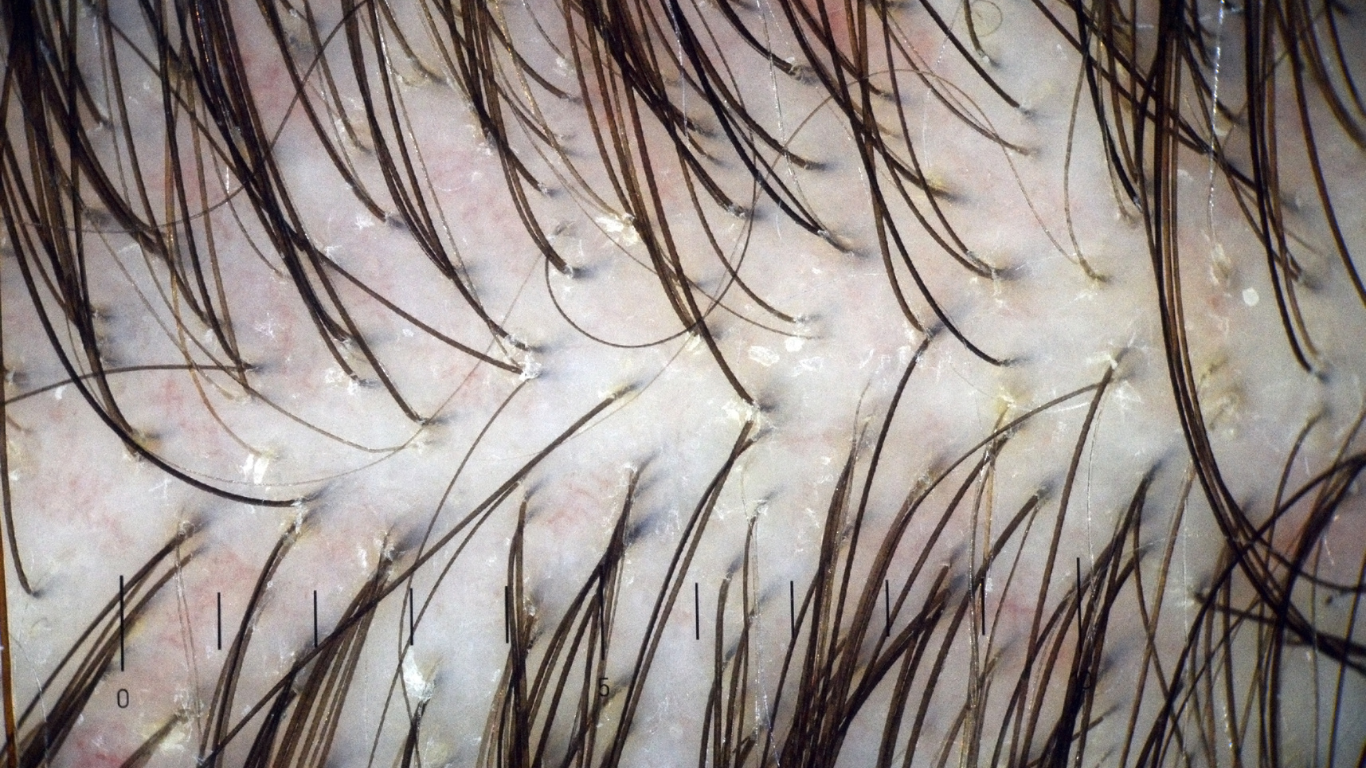
When do transplanted hairs fall out following a hair transplant?
The most common question after a hair transplant is a basic one yet important: when do transplanted hairs fall out?
While many patients would think their hair would start growing back right away, the reality is that there is a lot going on under the surface of your scalp before you can enjoy those newly planted locks. In fact, hair loss shedding is not just normal it is necessary for long term success in hair transplantation.
So, should you worry about losing some of your newly transplanted hair? Not really.
At Clinique de Μonsieur, we understand the importance of knowing what to expect during the recovery period and how to achieve optimal results. Furthermore, because Direct FUE uses Choi implanters, which allow for accurate placement of grafts with less trauma to surrounding tissues and faster healing, our team is dedicated to making sure you receive the best possible results.
Below, we will provide you with a detailed explanation of when transplanted hairs shed, why this occurs, and how to encourage healthy new hair growth.
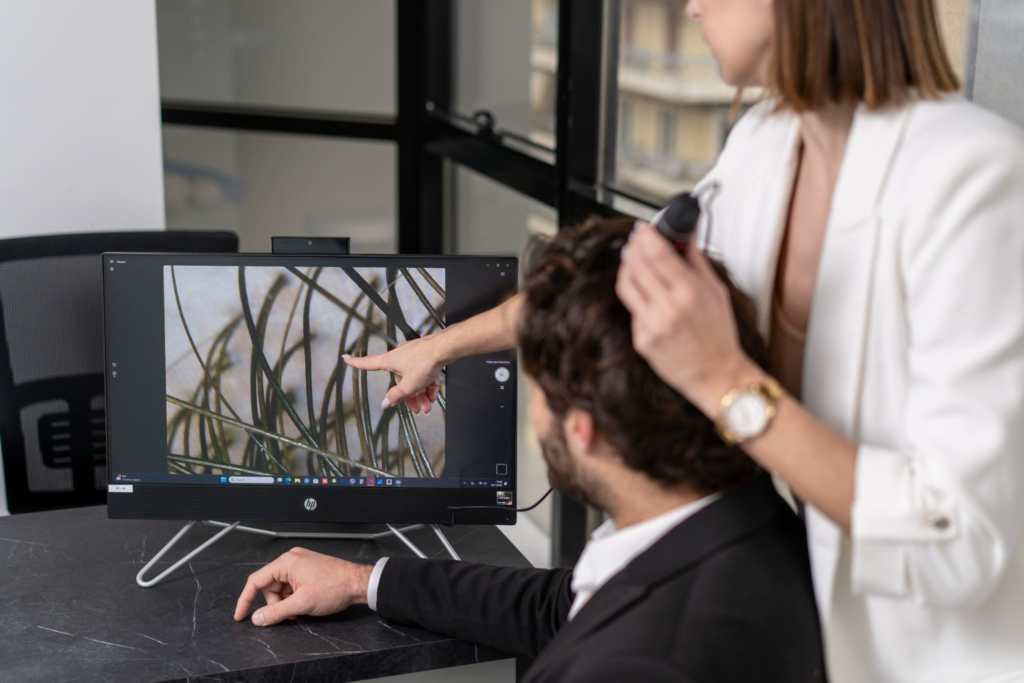
Why do transplanted hairs shed post hair transplantation?
Is it normal for the hairs from my transplant to fall out?
Yes, it is absolutely normal for transplanted hairs to fall out. In fact, shedding is a fundamental aspect of the hair transplantation recovery process.
What factors contribute to shedding of hairs in transplants?
Following surgery, the follicles experience temporary stress. They then transition into the rest phase of the hair growth cycle. At this point, the visible hair shafts fall out however, the actual follicles continue to reside beneath the scalp.
Major factors contributing to this include:
- Stress caused by surgical manipulation
- Disruption of blood flow to the follicles
- Entering the telogen phase
- Adjustments in the scalp microenvironment
When do transplanted hairs start losing their visibility due to shedding?
When should I anticipate losing my hair after a hair transplant?
Generally speaking, the time frame when transplanted hairs start to lose visibility due to shedding is:
- Within two to four weeks following a hair transplant
Why does not all of the lost hair drop out right away?
For several reasons initially, the grafts maintain stability. However, as the scalp begins to heal, the follicles go dormant. Thus, it takes a little longer for the shedding to become apparent.
Will every patient experience the same time frame?
Not necessarily. Minor differences may exist in each patient’s recovery time dependent upon overall health, environmental conditions such as temperature, physical wellbeing, and scalp characteristics. However, two to four weeks is generally accepted within the field of hair transplantation.
Learning how your hair cycles through the hair growth cycle post-surgery
What happens to my hair follicles once they have fallen out?
Although your hair has fallen out, your follicles still live beneath the surface of your skin. Simply put, your roots remain intact and ready for new hair growth.
How many stages does my hair go through before it starts growing again?
There are three phases in the hair life cycle:
- Anagen this is the hair active growth phase
- Catagen this is the transition phase
- Telogen this is the resting and shedding phase
Once your follicle has finished its shedding phase, it will once again begin its anagen phase and create new hair.
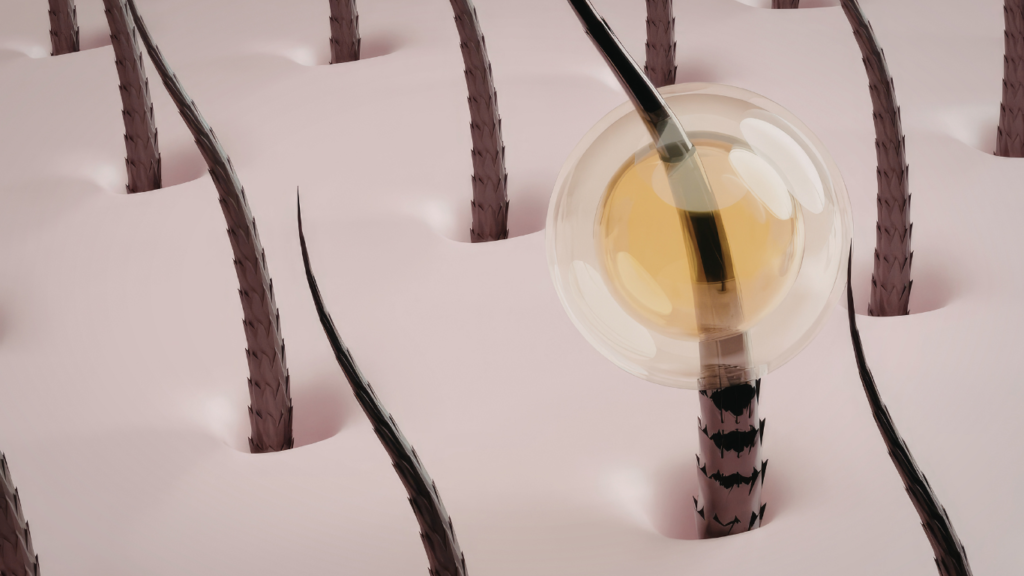
How long until new hair growth begins after my hair transplant procedure?
When will I see new hair growth on my scalp after surgery?
On average, it will take approximately three to four months before new hair starts to appear on your scalp.
By what point will I notice significant changes in density full results?
By six months after surgery, patients will begin to notice significant improvements in density
By nine to twelve months after surgery, you will have reached maximum density.
Why is patience necessary in regards to hair restoration?
Hair restoration is a biological process that requires time to complete. Therefore, steady progress over time yields improved density and long-lasting results.
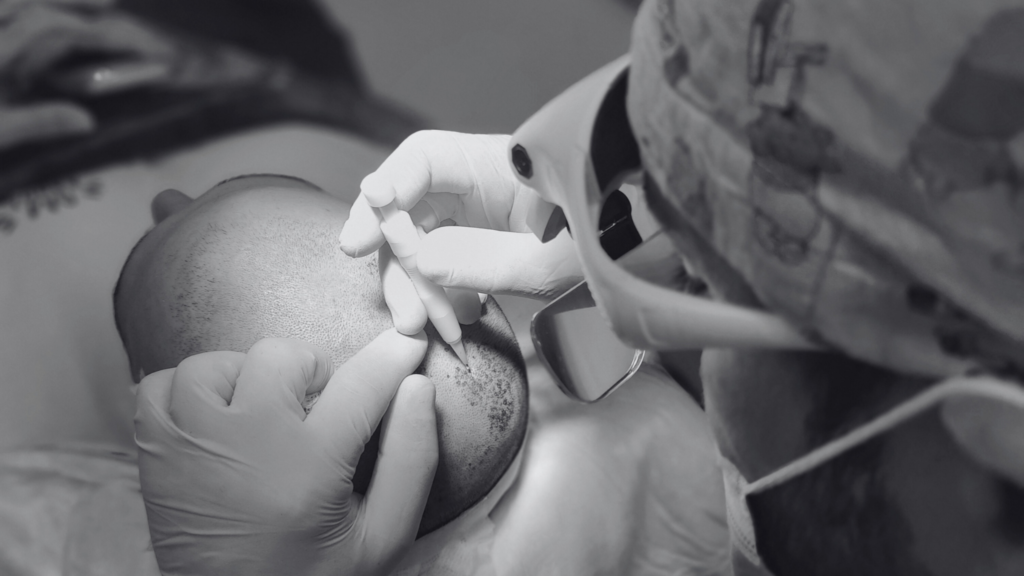
How does Direct FUE enhance the shedding and regrowth processes?
What sets Direct FUE apart as an advanced technique?
Direct FUE is a minimally invasive hair transplant technique that emphasizes efficiency and precision.
How does Direct FUE aid in easing the recovery period?
Using follicular units’ grafts implanted using Choi implanter Direct FUE enables precise angling of grafts for natural looking growth patterns, minimizes damage to adjacent tissues and promotes faster healing times.
What advantages do patients enjoy using Direct FUE technology?
Through the implementation of Direct FUE technology, patients experience:
- Quicker healing periods
- Less intense shock loss
- Greater success rates for graft survival
- More natural appearing hair growth
Therefore, Direct FUE provides superior benefits both in terms of recovery time and ultimate outcome. Additional scientific context on minimally invasive techniques can be found via the National Institutes of Health.
Common misconceptions regarding hair loss after a hair transplant
Does allowing my transplanted hair to fall out indicate failure?
No, losing your transplanted hair indicates that your hair cycle is functioning properly. It does not mean that your transplant failed.
Will all of my transplanted hairs lose its original position?
Yes. And that is perfectly fine. Although they will fall out, your underlying follicles will still be living and producing new hair.
When should I contact my specialist about potential complications related to hair loss post treatment?
Contact your surgeon if:
- You fail to develop regrowth by four to six months
- Your scalp continues to show excessive redness or irritation
- You exhibit symptoms indicative of infection or irregular healing processes
Tips to help promote healthy new hair growth post shedding
What steps can I take to optimize success with my hair transplant?
To help ensure optimal results from your hair transplant treatment follow these guidelines:
- Adhere strictly to post-operative directions from your doctor
- Keep your scalp clean
- Avoid handling your grafted area excessively
Conclusion
Hair shedding after a transplant often raises concerns however it represents a natural and essential phase of the hair restoration process. Although transplanted hairs typically fall out within the first few weeks, the follicles remain active beneath the scalp, preparing for new, stronger growth.
At Clinique De Monsieur, we combine medical precision with advanced techniques, using follicular units’ grafts implanted using Choi implanter Direct FUE to optimize both recovery and long-term outcomes. This approach not only minimizes trauma but also supports faster healing and highly natural results.
With the right guidance, realistic expectations, and expert care, patients can confidently progress through each stage of recovery. Ultimately, what begins as temporary shedding evolves into visible density, renewed confidence, and lasting hair restoration.
Are You Ready to Achieve the Best Possible Results?
Schedule your consultation today and receive a personalized treatment plan tailored to your needs.