



Introduction
What is the timeline for how hair transplant results change over 12 months?
The goal of a hair transplant is not just about getting an instant fix. Rather, a hair transplant is a biological process that occurs over a long period of time. Therefore, it is very helpful to know exactly when you should expect to see hair transplant results change over 12 months. With this information, you will have better expectations about the experience and be able to enjoy the process.
At Clinique de Monsieur, we are committed to providing the best possible outcomes through precision, consistency, and long-term results. Also, our method of Direct FUE, where follicular units’ grafts implanted using Choi implanter and the grafts are being implanted with the use of Choi implanter, provides less trauma, quicker recovery times, and denser and fuller hair. For further medical reference, you may consult International Society of Hair Restoration Surgery and American Academy of Dermatology
Within this article, you will learn what is happening at each stage, why things happen the way they do, and how you can get the most from your hair transplant.
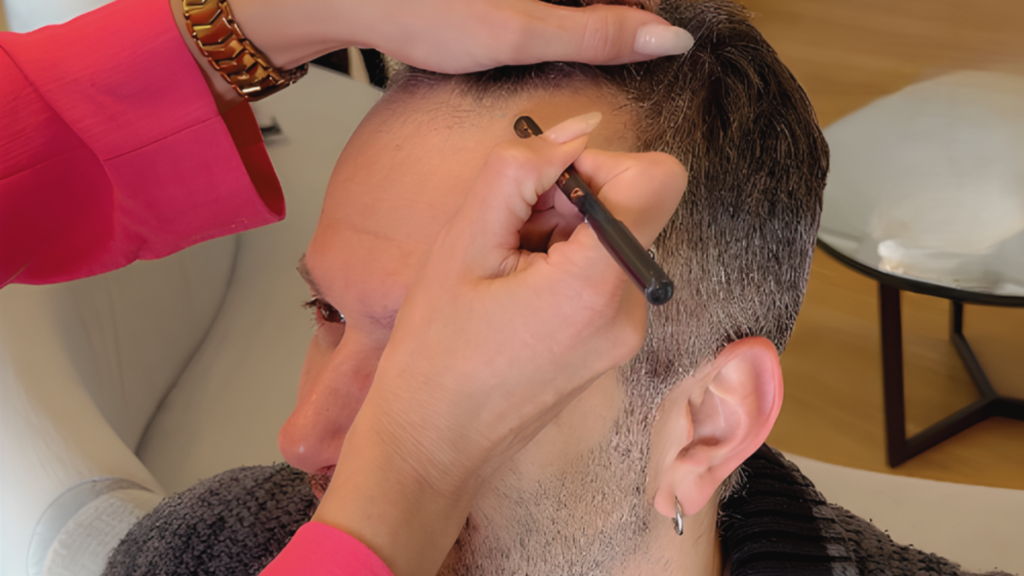
Healing and Shedding Stage Month One After Hair Transplant
What happens during the first month following a hair transplant?
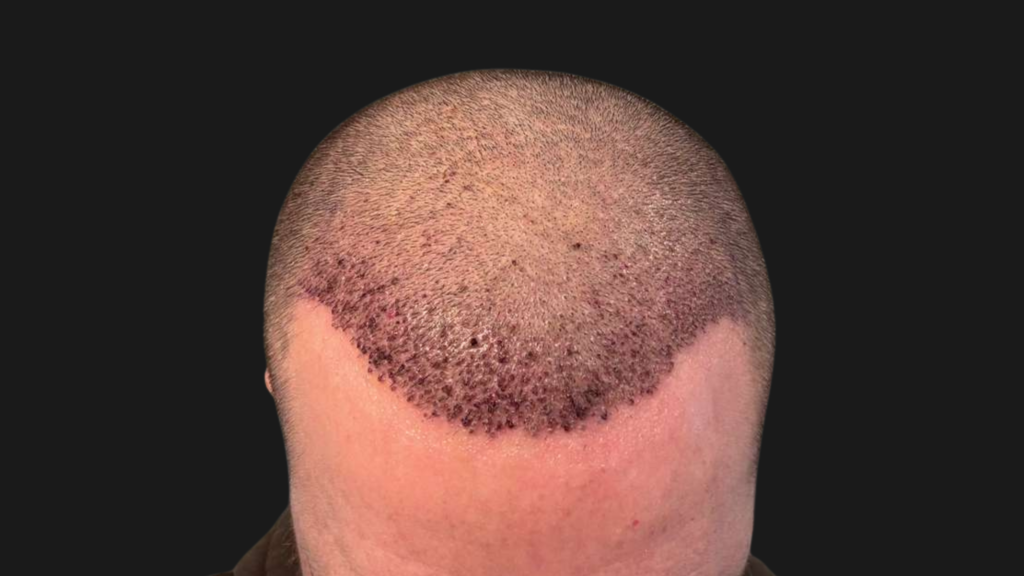
For the first month after your hair transplant, your scalp will primarily focus on healing. At first, you might notice some redness, slight swelling, and tiny scabbing. However, these signs will subside quickly.
How do hair grafts fall out after they are placed?
Generally, within a few days to several weeks after the hair transplant surgery, usually between weeks two to four, a hair loss cycle called shock loss will start.
Why does shock loss need to occur
While it is understandable that losing hair can appear alarming to those who undergo shock loss, it is truly a good sign. While the outer layer of the hair shaft has fallen off, the live follicle remains intact under the skin.
Characteristics of the first month
- healing and scalp stabilization
- mild redness and sensitivity
- shock loss and shedding of grafted hair
- preparation for new hair growth
So, although you shed some of your newly planted hair, your follicles are prepared for new hair growth.
Resting and Invisible Growth Period Months Two Through Three
Why does it feel like nothing is changing?
Many people become frustrated with the lack of apparent improvement as they wait. However, this waiting period is absolutely necessary.
What is happening underneath my scalp?
- the follicles enter their resting telogen phase
- hair growth temporarily stops
- repair and renewal processes continue at the cellular level
Am I doing something wrong during this time frame?
No, not at all. This resting phase is essential for healthy, strong, and full hair growth.
With that said, patience is key during months two to three.
Early Regrowth Months Three Through Four
When will I start seeing new hair grow?
Approximately three to four months after the transplant, new hair begins to emerge.
What does early hair growth look like?
Newly emerging hairs tend to be thin and soft, light in color, and slightly irregular.
Why is this stage important?
This signifies the end of the resting phase and the beginning of the active growth phase. In simpler terms, this means you now have visible signs of progress.
Consequently, patients begin to feel reassured that their treatment is working.
Increased Density Months Five to Six
When will I see real changes in terms of density?
Between five and six months after the procedure, you will begin to notice significant improvements.
What type of changes can I expect to see?
- thicker and stronger individual strands
- increased density across treated areas
- a more defined hairline
How does Direct FUE help improve these results
Since the grafts are being implanted with the use of Choi implanter, Direct FUE allows the surgeon to control the angle, depth, and direction of each graft. As a result, hair grows in a more natural pattern.
Thus, this stage represents the first major visual transformation in your hair restoration journey.
Major Transformation Months Seven to Nine
Why do my results improve significantly between months seven and nine?
After month seven, hair growth accelerates and more follicles enter the active growth phase simultaneously.
What kind of improvements should I expect?
- increased overall hair volume
- improved texture and strength
- more flexibility in styling
How does this impact confidence?
With increasing density comes increased confidence. Many patients consider this the stage where their transformation becomes clearly visible.
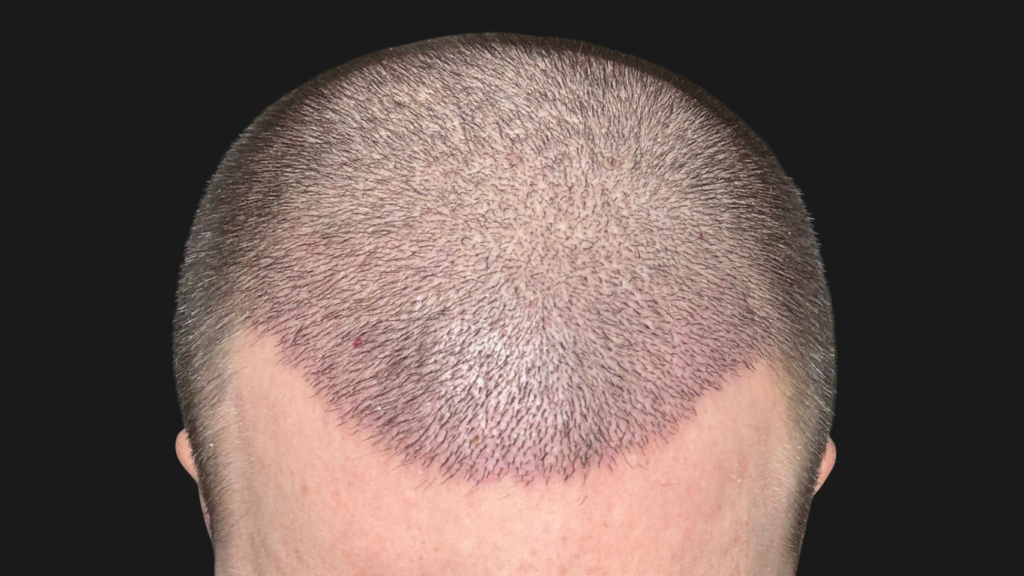
Final Outcome and Maximum Density Months Nine to Twelve
When will I see the full results of my hair transplant?
It typically takes between nine and twelve months to reach the final outcome.
What defines the final results?
- full regrowth in transplanted areas
- seamless integration with natural hair
- optimal density and coverage
Why is this stage critical?
At this stage, you can clearly evaluate the precision achieved through follicular units grafts implanted using Choi implanter. The accurate placement ensures natural direction, long term growth, and aesthetically pleasing results.
Factors That Influence Hair Transplant Results
What affects the final outcome?
Several factors determine how your results evolve over time
- surgeon expertise
- technique used Direct FUE
- donor area quality
- post operative care
- overall health and lifestyle
Why are these factors important?
Because each factor directly affects graft survival and growth quality, consistency in care is essential for achieving optimal results.
How to Maximize Your Hair Transplant Results
What can you do to improve your outcome?
To support your hair growth journey, you should
- follow your doctor’s instructions carefully
- maintain a balanced diet rich in nutrients
- stay properly hydrated
- avoid smoking and excessive alcohol
- protect and care for your scalp
Why do these steps matter?
These habits enhance healing, support follicle health, and improve long term density and strength.
Common Questions About Hair Transplant Results
Is shedding a sign of failure
No, shedding is a normal and necessary phase of the hair growth cycle.
Will all transplanted hairs grow back?
Yes, although the hair shafts fall out, the follicles remain active and will produce new hair.
When should you contact your specialist?
You should seek medical advice if
- no regrowth appears after six months
- persistent redness or irritation continues
- signs of infection develop
Conclusion
Understanding how hair transplant results evolve over 12 months allows you to approach the process with clarity and confidence. Although the early stages involve shedding and limited visible progress, each phase plays a vital role in achieving the final outcome.
At Clinique de Monsieur, we combine advanced medical expertise with innovative techniques such as Direct FUE, ensuring precision, natural appearance, and long-lasting results.
With the right expectations, proper care, and patience, your hair transplant journey will lead to improved density, enhanced appearance, and renewed confidence.
Are You Ready to Achieve the Best Possible Results?
Schedule your consultation today and receive a personalized treatment plan tailored to your needs with Clinique De Monsieur.