


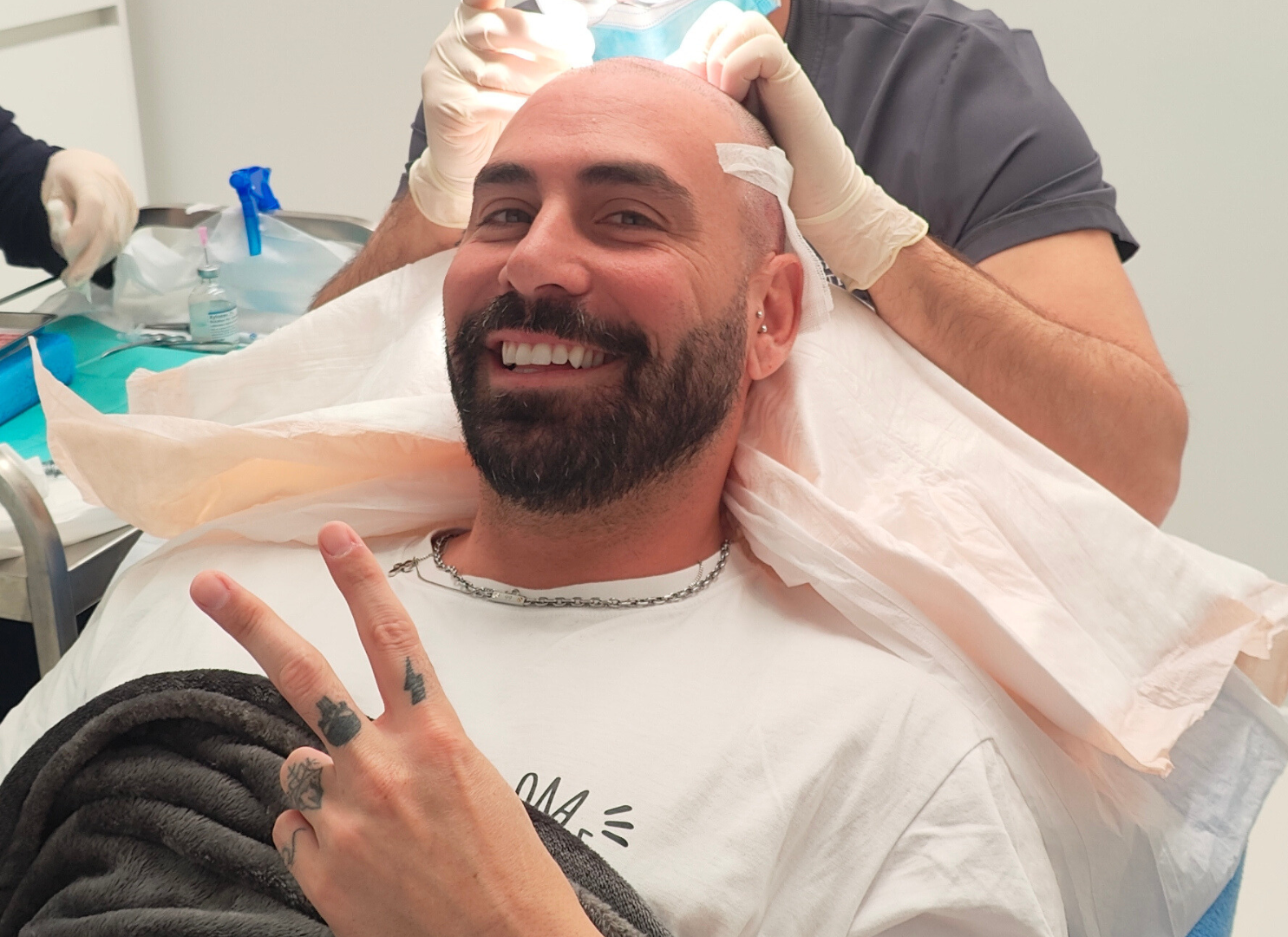
What determines the success of hair transplants using Modern FUE extraction methods?
What truly determines whether a hair transplant will succeed or fail?
While many factors contribute to the success of a hair transplant, they all start with a single principle: quality of the grafts. Hair transplant doctors recognize that the success of a hair transplant will largely depend on the quality of the grafts being used. As a result, modern hair transplant clinics place a strong emphasis on protecting the grafts during both the extraction and handling phases.
But why is this so important?
Because each graft contains delicate biological structures that must remain intact.
Therefore, modern FUE techniques focus on:
- minimizing trauma during extraction
- preserving follicular integrity
- maintaining optimal hydration
Ultimately, high-quality grafts ensure natural and long-lasting hair restoration results.
Why Modern FUE offers such successful hair restoration outcomes
Why has modern FUE hair transplantation (Follicular Unit Extraction) become so widely accepted?
Modern hair transplant surgery has revolutionized the way hair loss is treated. One major advantage of modern FUE is its ability to perform minimally invasive hair transplants without leaving noticeable scarring.
In contrast to earlier techniques such as FUT, also known as strip harvesting, FUE involves individual graft removal from the back and sides of the scalp.
For a deeper comparison of techniques, you can refer to the American Academy of Dermatology which highlights the differences between FUE and traditional methods.
Key benefits of FUE hair transplantation
- reduced downtime
- less discomfort
- no linear scarring
- natural looking hairline
- improved aesthetic results
Because of these advantages, FUE has become the preferred choice among both surgeons and patients worldwide.
Why graft integrity matters when performing hair transplant surgery
Can a hair transplant succeed without high-quality grafts?
The answer is no.
Hair transplant surgery requires much more than skillful execution. In fact, the quality of the graft material used during the procedure plays a very large role in determining whether the desired results are achieved.
What happens when grafts are preserved properly
When graft integrity is maintained, the results are significantly improved:
- transplanted hair grows in the same direction as existing hair
- higher density and natural appearance are achieved
- long-term survival of hair follicles is ensured
Modern surgeons follow strict protocols supported by research from institutions such as the National Institutes of Health, which emphasize the importance of graft handling and preservation.
Therefore, maintaining graft integrity is essential for achieving dense and natural results.
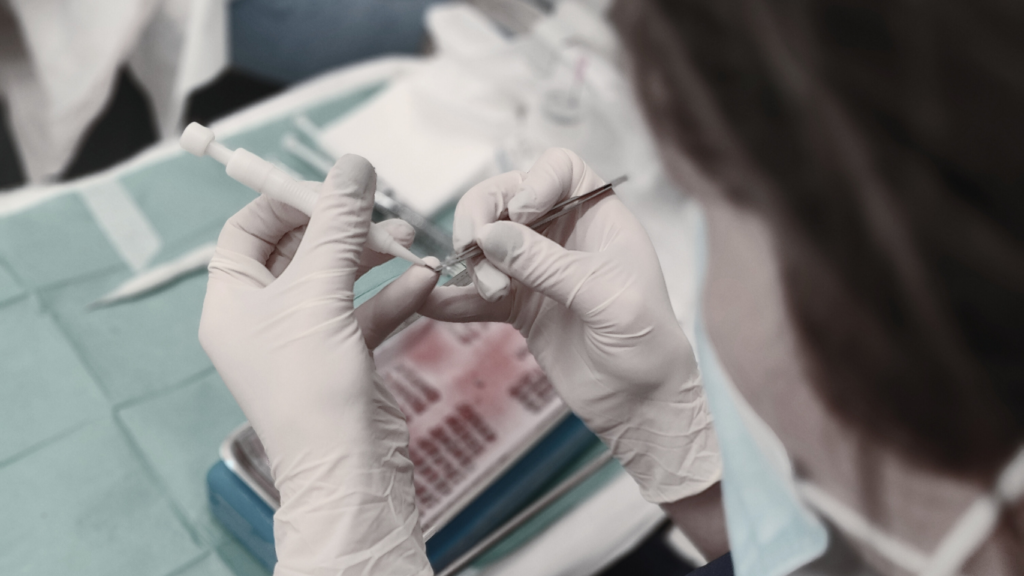
Step by step explanation of how hair grafts are removed during Modern FUE procedures
Does the process seem complicated?
Although it may appear complex, the extraction process is actually very structured and precise.
Step by step FUE extraction process
- preparation of the donor site
A qualified member of the medical staff prepares and cleans the donor site to ensure optimal precision. - administration of local anesthetic
Local anesthetic is administered to ensure complete comfort throughout the entire duration of the procedure. - extraction
Using micro punch tools ranging from 0.6mm to 0.9mm, the surgeon isolates each follicular unit and carefully removes it. - sorting and preservation
The medical team sorts each graft based on size and type and stores them in controlled solutions to maintain viability. - implantation
The surgeon implants each graft into the recipient area using precision techniques.
Why is precision so important during hair graft extraction?
Why does precision matter so much?
Because even minor damage to the graft can reduce its ability to survive and grow.
Hair follicles are extremely sensitive. Therefore, surgeons must:
- minimize trauma to each follicle
- avoid damaging surrounding tissue
- maintain consistent extraction angles
By following these principles, surgeons can significantly improve graft survival rates and overall results.
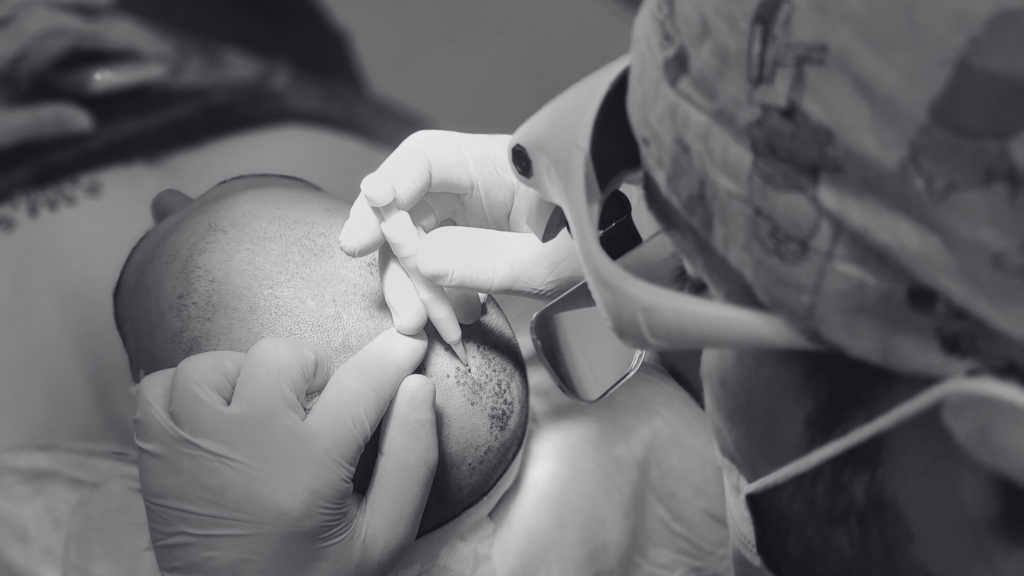
What is Direct FUE and how does implantation occur without incisions?
Can implantation really occur as grafts are being implanted with the use of a Choi implanter??
Yes, and this is one of the most advanced developments in hair transplantation.
What is Direct FUE
Direct FUE is an advanced version of the traditional technique where extraction and implantation are closely coordinated to improve efficiency and graft survival.
How the CHOI implanter works
Using the CHOI implanter pen, surgeons can:
- grafts are being implanted with the use of a Choi implanter
- implant grafts simultaneously
- control angle and depth precisely
- implant grafts simultaneously
- control angle and depth precisely
Importantly, this technique allows implantation without creating incisions beforehand, making the procedure even less invasive.
Advantages of the CHOI implanter technique
- greater control over placement
- reduced trauma to the scalp
- increased graft survival
- more natural density and direction
As a result, Direct FUE offers superior aesthetic outcomes.

Technologies enhancing graft extraction in Modern FUE procedures
Does technology improve results?
Absolutely.
Advanced tools used in Modern FUE
- motorized FUE devices for consistency and speed
- sapphire blades for precision
- CHOI implanter pens where grafts are being implanted with the use of a Choi implanter
- robotic assisted FUE systems for accurate graft selection
These technologies are widely discussed in scientific literature available through platforms such as PubMed.
Benefits of modern technology
- higher graft survival rates
- shorter procedure time
- reduced human error
- improved natural density
Therefore, technology plays a critical role in achieving predictable and high-quality outcomes.
Factors influencing both graft quality and overall success of hair transplant surgeries
Is technology alone enough?
No.
Key factors influencing success
- surgeon experience
- patient hair characteristics
- scalp elasticity
- graft handling and hydration
- duration of the procedure
Each of these factors contributes to the final result. Therefore, clinics must follow strict protocols to maintain optimal graft preservation conditions.
What can be expected post-surgery?
Is recovery difficult?
Not at all.
Most patients return to normal daily activities quickly after the procedure.
Healing process of the donor site
The donor area typically heals within 7 to 14 days. Small extraction points close naturally without leaving visible scars.
Post-surgical care instructions
- avoid touching or scratching the scalp
- follow medical instructions carefully
- maintain cleanliness and hydration
- limit intense physical activity
Proper aftercare significantly improves final results and graft survival.
Conclusion – Why is Modern FUE superior to other hair transplant techniques?
So, what makes Modern FUE better than older techniques?
The answer lies in precision, technology, and experience.
Modern FUE allows surgeons to extract individual grafts with minimal damage. As a result, graft survival rates increase and results become more natural.
In addition, techniques such as Direct FUE with CHOI implanter allow grafts to be implanted with the use of a Choi implanter during implantation, offering greater control and reduced trauma.
Consequently, patients achieve:
- natural appearance
- high density results
- permanent hair growth
However, success also depends on choosing the right clinic.
At Clinique De Monsieur, we combine advanced FUE techniques with personalized care to deliver exceptional results tailored to each patient.
Ready to rebuild your hair with confidence?
Schedule your consultation today and discover how Modern FUE can restore your appearance naturally, precisely, and permanently.