


Introduction
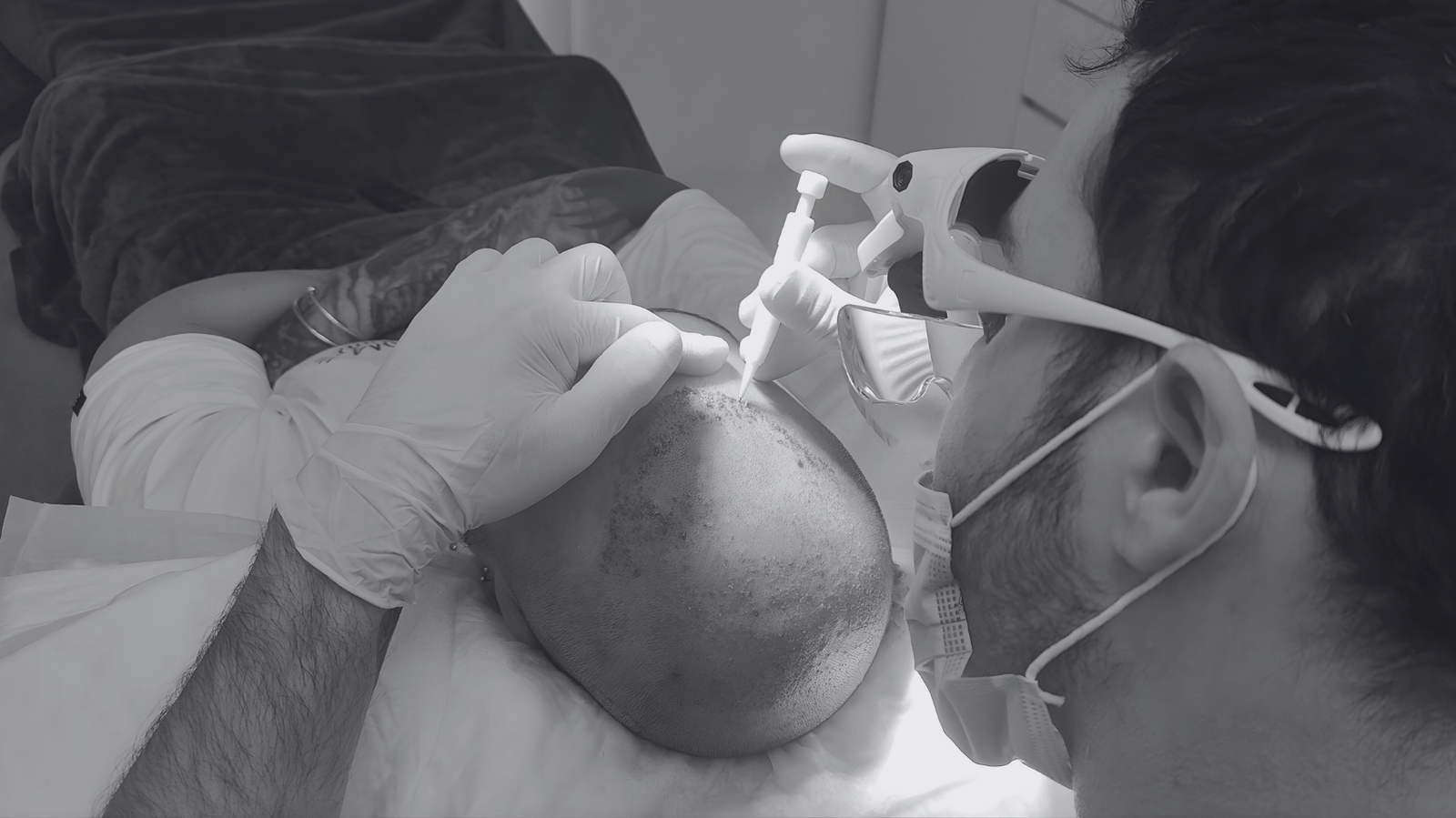
What does a doctor really do in a proper hair transplant? Many people believe the doctor only participates in the initial design. However, the reality is different. In a properly performed procedure, the doctor supervises and controls every stage, from diagnosis to the final result.
A hair transplant is a medical act, not a simple aesthetic service. Experience, technique, and medical judgment directly affect safety, graft survival, and the natural appearance of the outcome.
In this article, we present step by step what a specialized hair transplant doctor does, why medical hair restoration requires a medical approach, and how a natural, long-lasting result is achieved.
Medical Evaluation Before the Hair Transplant
What the doctor checks before the procedure begins
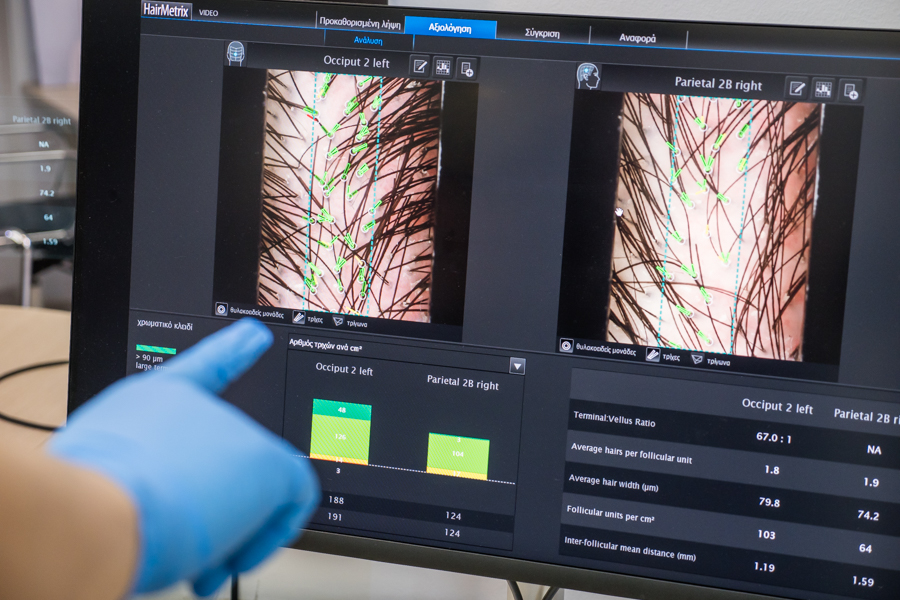
Can a successful hair transplant be done without medical diagnosis? No. Before every procedure, a full medical evaluation is performed. The doctor examines:
- The type and stage of hair loss
- The quality of the donor area
- Hair thickness and density
- The future progression of alopecia
- General health status and patient suitability
Correct diagnosis is the foundation of a safe and successful hair transplant.
Designing a Natural Hairline and Density
How a natural result is achieved
Design determines the final aesthetic outcome. The doctor designs the hairline according to facial anatomy, age, and the natural distribution of hair. At the same time, the doctor calculates the correct density and graft distribution so the result looks natural today and remains harmonious in the future.
Proper design is a core principle of modern hair transplantation, as stated by the International Society of Hair Restoration Surgery.
Medical Execution of the Hair Transplant
Which stages the doctor performs
During the procedure, the doctor performs the critical stages with medical precision:
- Applies controlled local anesthesia for safety and comfort
- Surgically extracts grafts from the donor area
- Creates recipient sites with the correct angle and depth
- Places grafts precisely for natural direction and high survival
Correct technique directly affects the success of the transplant.
Donor Area Protection and Graft Survival
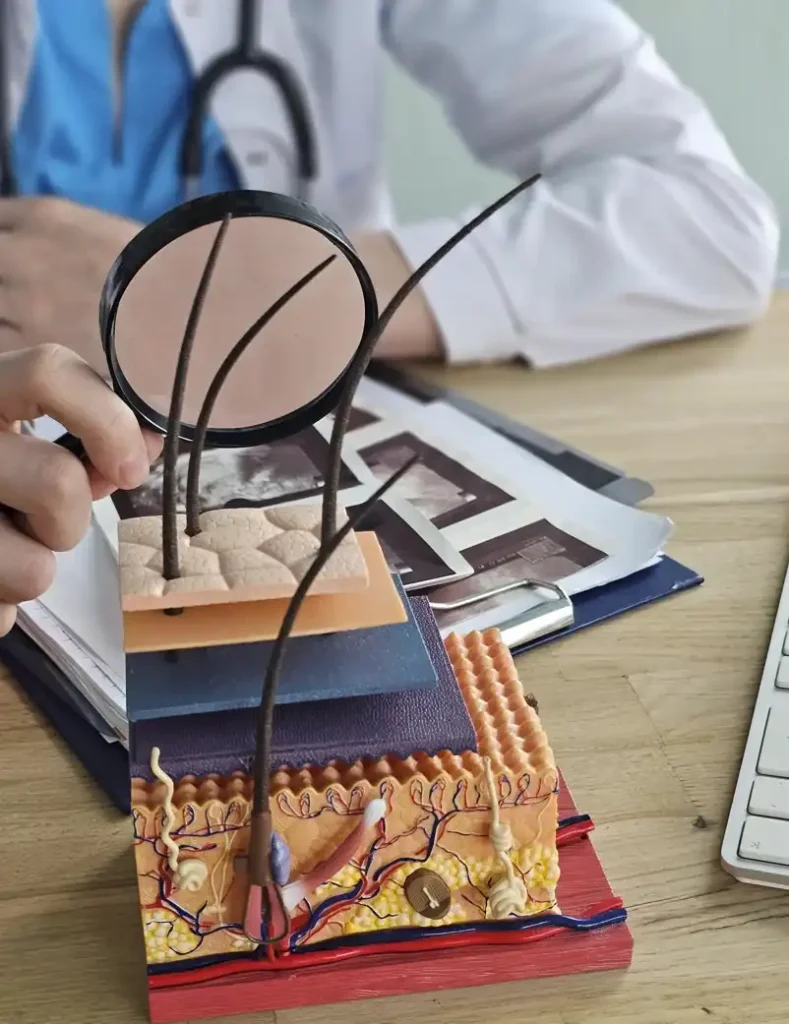
Why the donor area is critical
The donor area is a limited and valuable resource. Proper management is essential for success. The doctor avoids over harvesting, maintains natural density, and protects the structure of the skin. At the same time, the doctor applies techniques that strengthen graft survival.
This protects both the immediate result and the possibility of a future transplant.
Medical Follow Up After the Hair Transplant
What the doctor does after the procedure
The doctor’s role does not end with implantation. Post operative follow up is a core part of treatment. The doctor:
- Checks healing
- Prevents complications
- Guides hair growth
- Adjusts the long term restoration strategy
Ongoing medical monitoring ensures a stable, natural result.
The Medical Approach of Clinique de Monsieur
Our philosophy
At Clinique de Monsieur, we have more than 20 years of experience in medical hair restoration. The team consists of certified plastic surgeons and dermatologists specialized in hair loss and transplantation. We combine surgical precision with dermatological knowledge for an optimal outcome.
What makes us different
- We apply the advanced Direct FUE technique
- We design a natural hairline
- We calculate density using medical criteria
- We create personalized treatment plans
Our goal is a natural, full, and undetectable result.
Why the Doctor’s Role Determines the Final Result
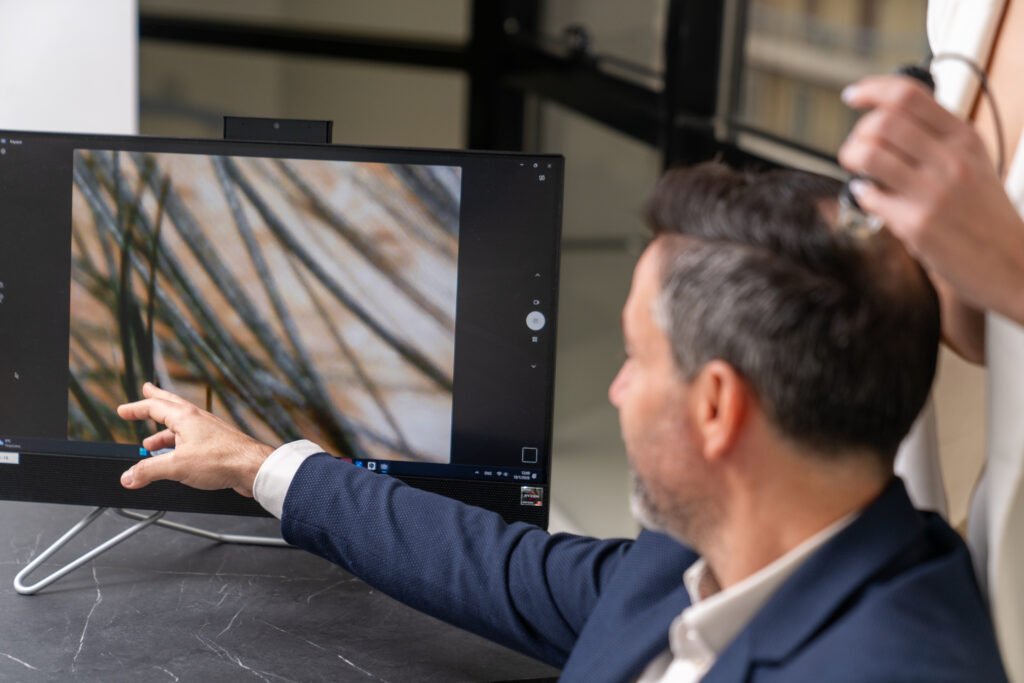
Medical specialization influences every stage of the process. It shapes a natural hairline, ensures density, protects the donor area, and delivers long term stability. It also reduces complications and improves safety.
Success is not luck. It is science.
Long Term Success and a Natural Result
The final outcome appears gradually over months. Proper medical technique ensures natural hair evolution, density preservation, donor protection, and the possibility of future treatments. A hair transplant is a long term investment.
Conclusion
The doctor does not simply perform a hair transplant. The doctor defines every critical stage, from diagnosis to the final result. A proper transplant requires experience, precision, and a personalized medical approach.
At Clinique de Monsieur, we base hair restoration on science, safety, and precision, aiming for a natural result that lasts.
Considering a hair transplant? Contact us for a personalized medical evaluation and learn how a medical approach can give you a completely natural result.