


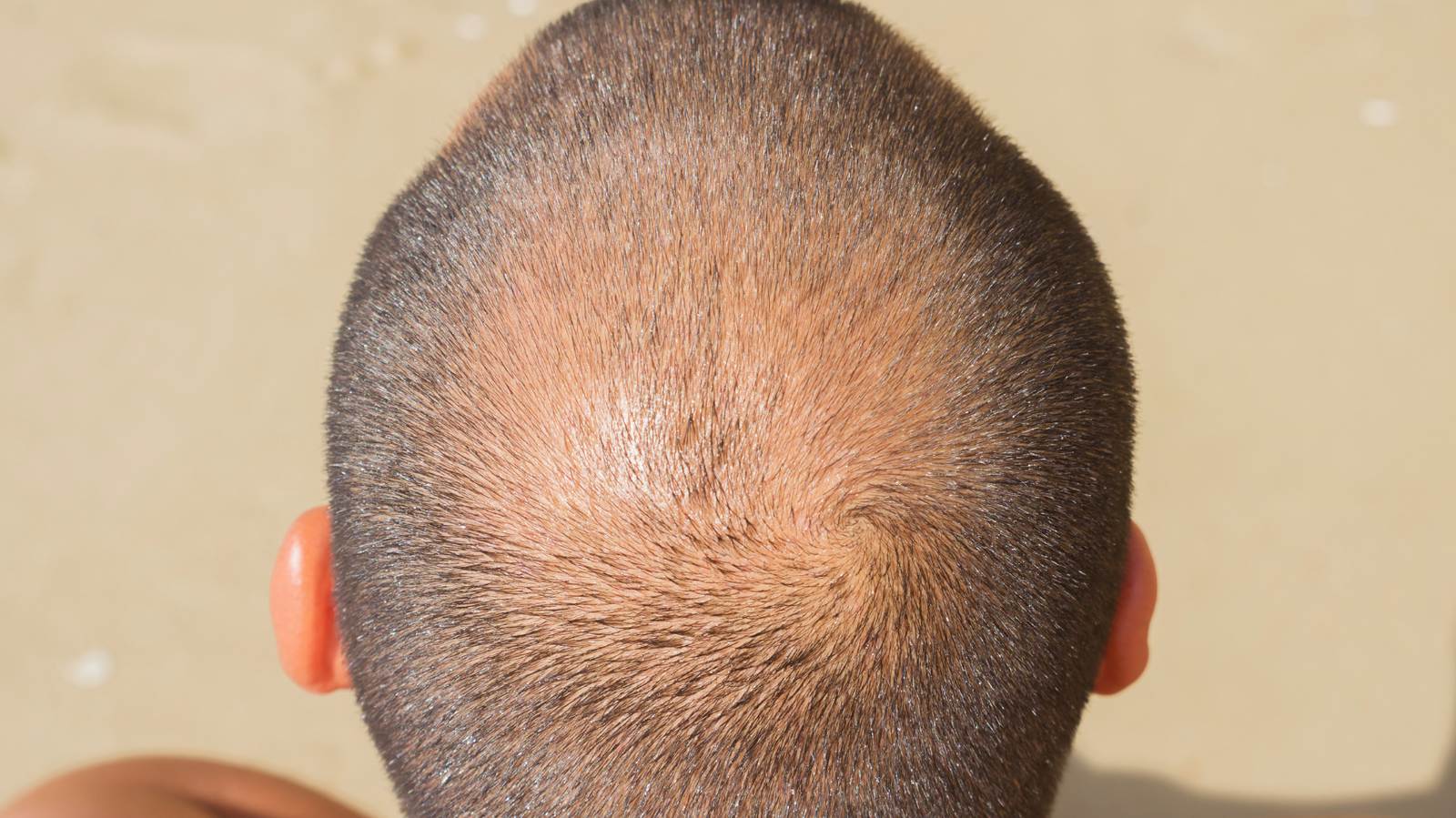
What is shock loss after a hair transplant and why does it happen?
Shock loss is one of the most frequently discussed topics in hair restoration. Many patients become concerned when they notice unexpected hair shedding after their hair transplant. But is this a complication or a normal stage of recovery?
Well, while it may look like an alarming event, Shock loss after a hair transplant usually occurs because the scalp reacts to surgical stress. Therefore, although it may seem concerning, it is usually part of the natural healing process.
At Clinique de Monsieur we emphasize precision and patient education. Also, using advanced techniques such as Direct FUE where grafts are being implanted with the use of Choi implanter, trauma on the scalp during the procedure is minimized which enhances optimal scalp recovery.
In this article, we will explain the reasons behind Shock loss following a hair transplant, its expected timeline and how you can manage it effectively for the best possible results.
Why Does Shock Loss Happen After A Hair Transplant?
How Do I Know If My Shock Loss Was Due to The Hair Transplant Technique Used?
Even though modern techniques reduce trauma to follicles, the follicles still experience temporary stress that can result in Shock loss.
What Are the Main Factors Causing Shock Loss?
There are several key factors contributing to this process:
- Disruption of blood flow temporarily
- Inflammation in the treated area
- Stress on native surrounding hair
- Hormonal sensitivity such as DHT
Can Different Hair Transplant Techniques Cause More Shock Loss Than Others?
Yes. By utilizing Direct FUE where grafts are being implanted with the use of Choi implanter, both the amount of damage caused to surrounding hair and the intensity of the stress experienced by the hair follicles is reduced. Therefore, the likelihood and extent of shock loss after a Direct FUE hair transplant is considerably lower compared to other methods.

When Does Shock Loss Begin After A Hair Transplant
How Soon After My Hair Transplant Should I Expect to Start Losing Some Hair?
It typically takes about Weeks 2 to 4 after the procedure. For Shock loss to begin.
Is There Any Reason Why I Don’t See the Hair Falling Out Right Away?
During the first few weeks post procedure, you will not notice significant changes. Initially, the newly transplanted hair remains intact. Then, as the follicles enter their resting phase, shedding begins.
Is This Timeline Typical for All Patients Undergoing A Hair Transplant?
Yes. It is completely predictable and expected as part of the standard hair transplant recovery timeline.
How Long Does Shock Loss Last
How Long Will I Continue to Lose Hair After A Hair Transplant?
On average, Shock loss usually lasts from about 8 weeks after surgery to about 6 to 7 months after surgery. However, this can vary depending on each individual case.
When Can I Expect New Growth?
Approximately three months after your initial procedure, you should start seeing new hair growth.
How Long Until Final Results Are Visible?
Final results can take between 9 to 12 months. After your initial procedure to fully develop.
So, patience really matters throughout this process.
Will Shock Loss Lead to Permanent Bald Spots?
Is Shock Loss Ever Permanent?
No. In most cases, Shock loss is temporary. In fact, although you will lose some of the original transplanted hair, once you recover and complete the healing cycle, your follicles remain active and will produce new hair.
Difference Between Shock Loss and Graft Failure
How Can I Tell If I Am Experiencing Shock Loss or Graft Failure?
If you are experiencing temporary shedding, then it is Shock loss. Graft failure, on the other hand, would mean permanent loss of follicles.
The Difference Between Them Include
Shock loss
- Temporary
- Follicles regrow new hair
Graft failure
- Permanent
- No regrowth occurs
Why Is Understanding This Important?
Understanding the difference reduces unnecessary concern and helps patients stay confident throughout the recovery process.
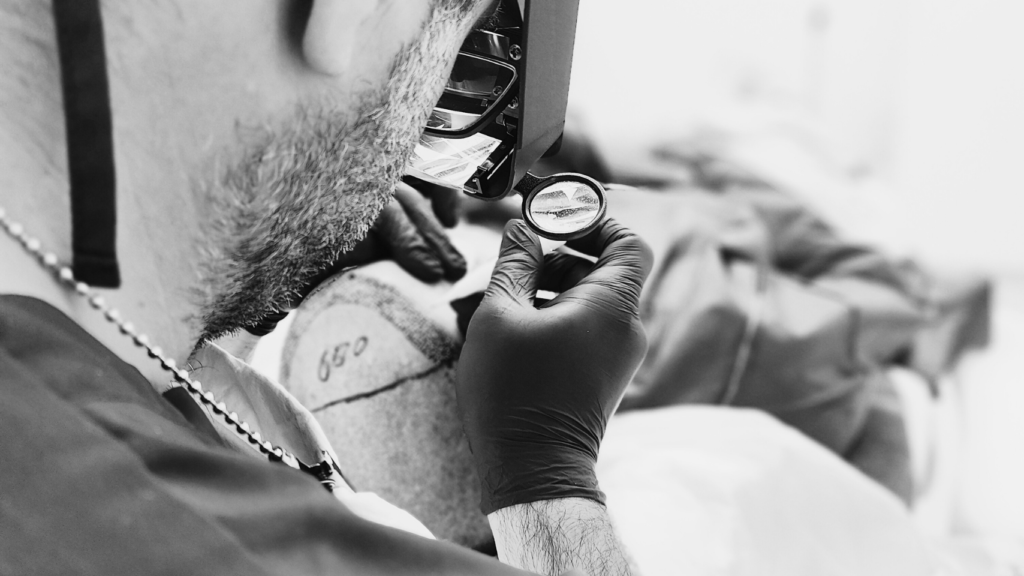
How Direct FUE Minimizes Shock Loss
Why Is Direct FUE Considered an Advanced Technique?
Direct FUE is a minimally invasive method designed to maximize precision and reduce trauma.
How Does Direct FUE Reduce Shock Loss?
With Direct FUE, grafts are being implanted with the use of Choi implanter:
- Precise placement is achieved
- Tissue trauma is minimized
- Blood supply is preserved
What Benefits Do Patients Experience?
- Reduced shedding intensity
- Faster recovery
- Higher graft survival rate
- Natural looking results
Thus, Direct FUE significantly improves both recovery and final outcomes.
How to Reduce Shock Loss After Hair Transplant?
What Can I Do to Minimize Shock Loss?
You can support your recovery by:
- Following medical instructions carefully
- Avoiding unnecessary contact with the scalp
- Maintaining proper hygiene
Are There Treatments That Help Reduce Shedding?
Yes. Your specialist may recommend:
- Topical treatments
- DHT management therapies
- Nutritional support
Why Is Aftercare Important?
Because proper aftercare directly affects follicle stability and long-term results.
Common Mistakes That Increase Shock Loss
What Should I Avoid After A Hair Transplant?
Avoid:
- Touching or scratching the scalp
- Exposure to heat or sun
- Ignoring medical instructions
Why Are These Mistakes Harmful?
These actions increase inflammation and stress on follicles, which can intensify shedding.
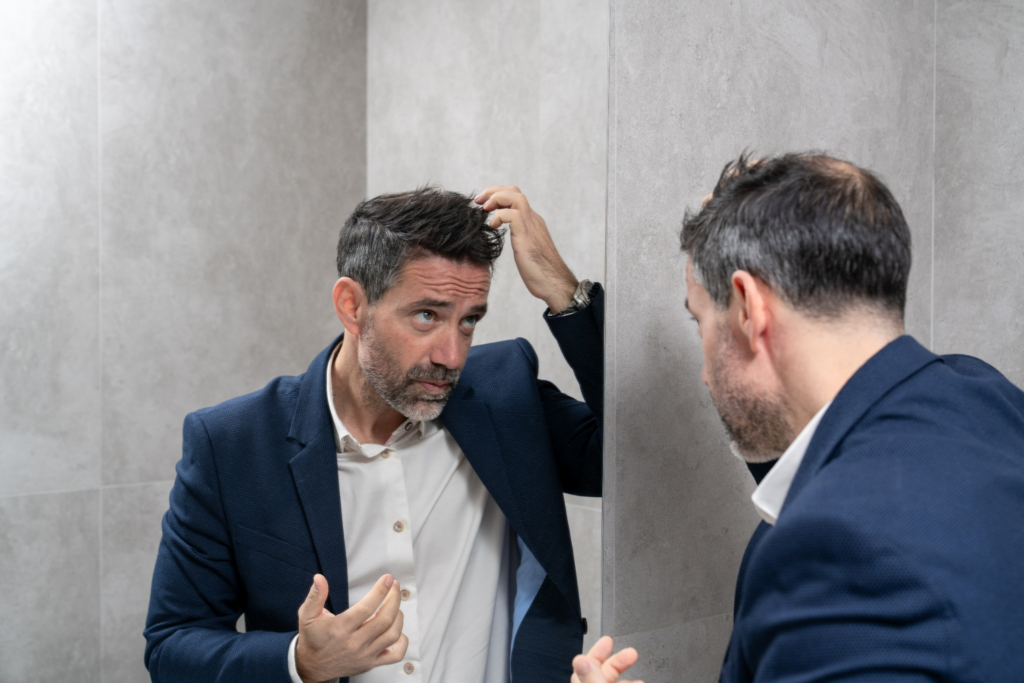
When Should You Consult Your Doctor?
When Is Shock Loss Not Considered Normal?
You should consult your doctor if:
- Shedding continues beyond two months
- No regrowth appears after four to six months
- You notice unusual scalp conditions
Why Is Professional Evaluation Important?
Early assessment ensures proper recovery and protects your long-term results.
Conclusion
What Is Shock Loss After Hair Transplant?
Shock loss is a temporary shedding phase that occurs as part of the natural healing process following a hair transplant.
Why Should You Not Worry
Because it is expected, temporary and followed by new hair growth in most cases.
With advanced techniques such as Direct FUE, grafts are being implanted with the use of Choi implanter ensuring precision minimal trauma and optimal outcomes.
At Clinique De Monsieur we combine expertise innovation and personalized care to deliver refined natural and long-lasting results.
Are You Ready to Achieve the Best Possible Results?
Schedule your consultation today and receive a personalized treatment plan tailored to your needs.