



Although the effectiveness of hair transplantation has increased dramatically since its inception, numerous individuals are concerned regarding why a hair transplant fails, if failure can be prevented and what ultimately contributes toward a positive outcome. As mentioned above the majority of failures depend upon the quality of surgical work, correct planning, patient suitability and post-operative care. Therefore, each element is critical prior to surgery.
At Clinique de Monsieur we value accuracy expertise and state-of-the-art equipment. We utilize Direct FUE where grafts are being implanted with the use of Choi implanter. This method provides the least amount of trauma possible to the recipient site while maintaining the best possible graft survival rate. Therefore, it enhances both recovery and long-term results.
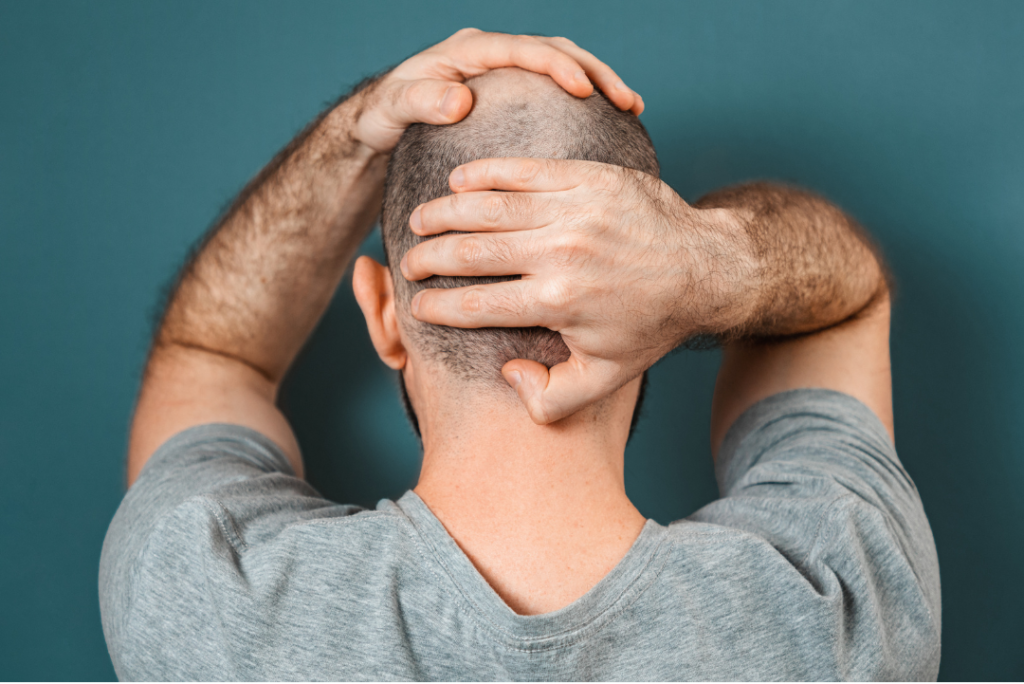
Definition of Hair Transplant Failure
What constitutes hair transplant failure?
Hair transplant failure is typically defined by suboptimal results from the procedure. It includes poor density, unnatural hairline shape and or insufficient or late regrowth.
How would I recognize a failed hair transplant?
The following symptoms indicate that a hair transplant has been unsuccessful:
- uneven or irregular distribution of new hair growth
- low density within transplanted regions
- unnatural orientation of transplanted hairs
- insufficient, slow, or no regrowth
Why is it imperative to diagnose hair transplant failure as soon as possible?
Evaluating a failed hair transplant as quickly as possible enables surgeons to assess whether the problem is short-lived or if some form of additional intervention is necessary. Timely diagnosis increases the likelihood of successful correction.
Techniques Used in Hair Transplantation, as Well as Related Risks
Quality of surgical technique: a determining factor in achieving the desired results
Technique is arguably one of the single most influential factors affecting hair transplant results. Surgical technique dictates graft survival and aesthetic outcomes. Small lapses in technique can also produce significant visual defects.
Risks associated with poor surgical technique
Poor technique can manifest itself in several ways, including:
- incorrect positioning of grafts
- poor angulation of grafts
- trauma caused to the surrounding tissue
All three factors negatively affect graft survival rates and create unnatural-looking results.
Advantages provided by Direct FUE: improved technique for optimal graft survival
Direct FUE where grafts are being implanted with the use of the Choi implanter:
- provides precise control over angle and depth
- minimizes trauma to the surrounding tissue
- increases graft survival rates
Therefore, employing superior technique represents a vital component in avoiding failure.
Choice of an Unqualified Doctor or Clinic
Importance of surgeon experience: why experience matters
Hair transplantation demands both technical knowledge and artistic vision. Ultimately, it is the surgeon’s experience which greatly impacts the ultimate result.
Risks associated with selecting the wrong clinic: what are the risks?
Patients who select clinics lacking sufficient experience may face:
- poor design of their hairline
- over harvesting of donor region
- failure to properly handle grafts
Ultimately these blunders may have long lasting detrimental effects.
Selecting a qualified clinic: how to evaluate qualifications?
Select a clinic with:
- proven history of success
- specialization in hair transplantation
- utilizing advanced techniques like Direct FUE
Selecting an experienced clinic will minimize your risk.
Candidate Selection for Hair Transplantation: Evaluating Candidacy
Is everyone a good candidate for hair transplantation?
Unfortunately, not all patients make suitable candidates. Prior to commencing the process, therefore, evaluation is paramount.
What makes someone unsuitable for hair transplantation?
Important factors include:
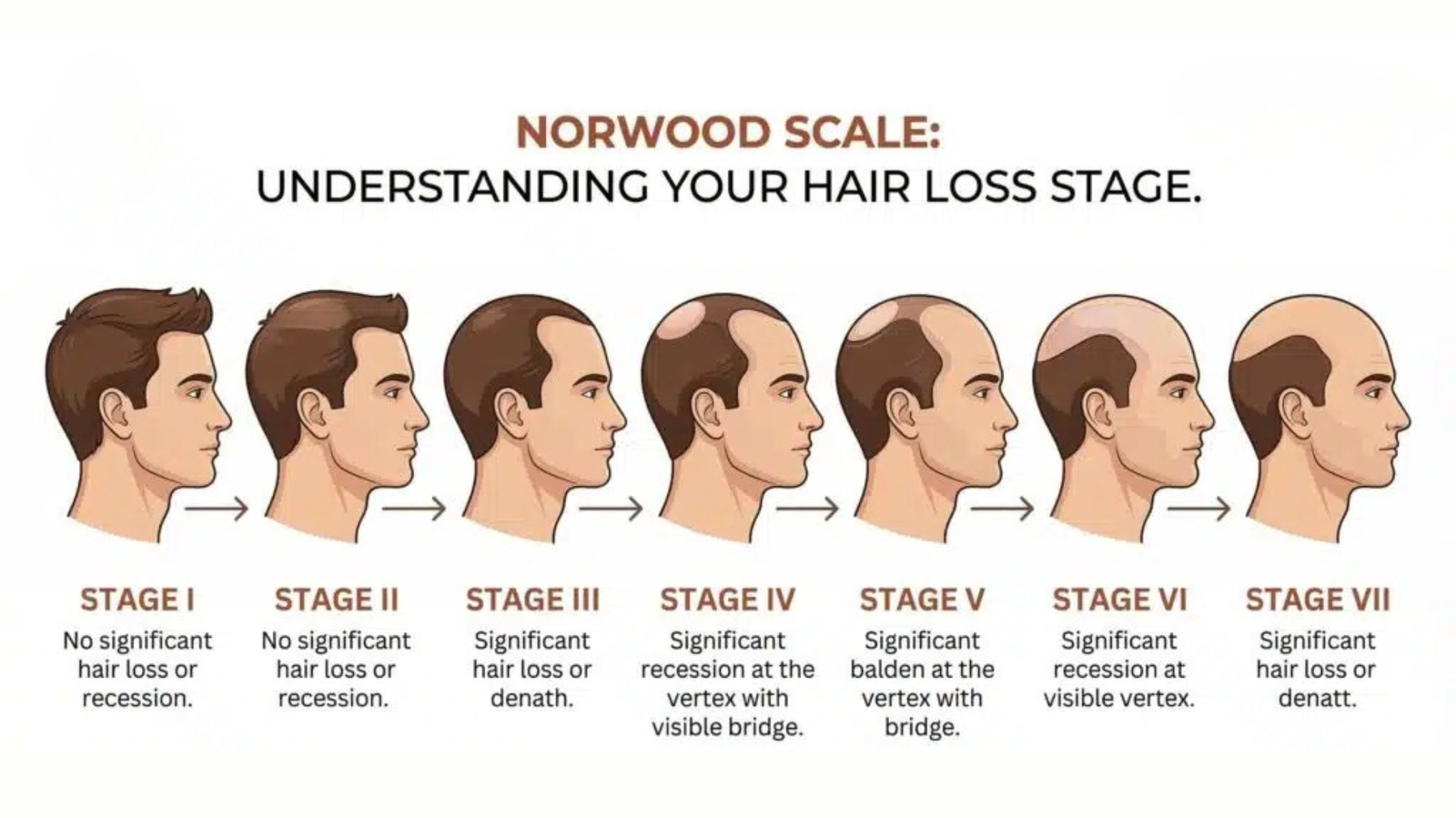
- extent of baldness
- quality of the donor area
- age degree of advancement of balding
Why is developing individualized plans so important?
Developing individualized plans ensures that results remain natural over time. Additionally, they prevent unrealistic expectations.
Post-Operative Care and Patient Error
Effectiveness of post-operative care: importance of post-operative care
The first few days post-surgery are extremely important. If a patient neglects his or her own post-operative care, he or she may potentially damage grafts and decrease graft survival rates.
Common patient errors
Some examples of patient errors include:
- touching, scratching the scalp
- washing improperly or prematurely
- excessive sun exposure or sweat
- ignoring medical instructions
Reasons for strictly adhering to instructions
Compliance with post-operative instructions minimises potential harm to the grafts and facilitates healing. Thus, cooperation between patient and physician is critical to success.
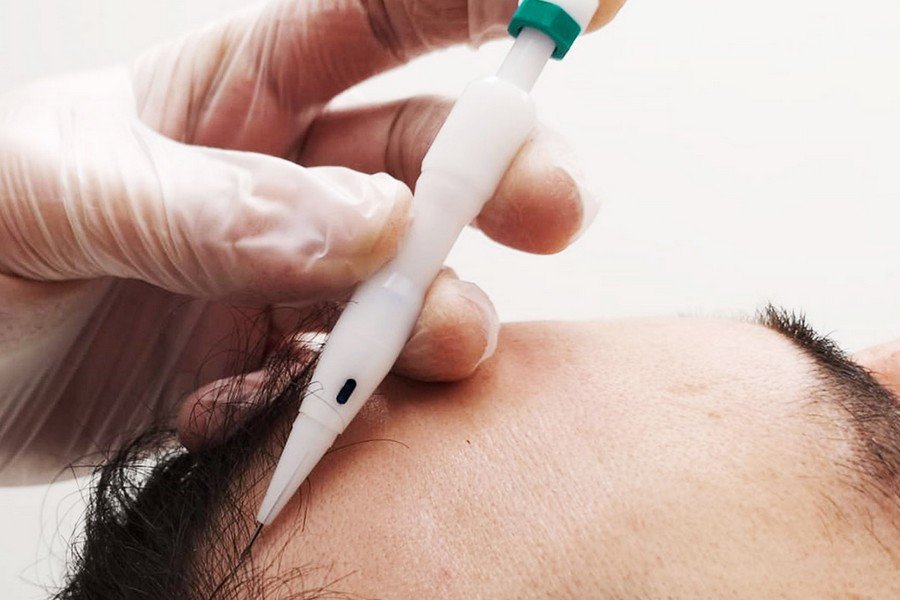
Survival Rate of Grafts
Significance of graft handling throughout the procedure
Grafts represent fragile biological structures. Due to their fragility, extreme caution is necessary to preserve them at all costs.
Factors contributing to reduced graft survival
Factors reducing graft survival include:
- prolonged duration spent outside the body
- dehydration
- poor storage practices
Ways in which Direct FUE benefits graft survival
Since grafts are being implanted with the use of the Choi implanter in Direct FUE:
- handling is minimised
- implantation occurs immediately
- survival rates increase substantially
Therefore, the technique employed greatly influences final outcomes.
Expectations From Hair Transplantation: Expectations vs Reality
Do expectations contribute toward perceived failure?
Yes, expectations play an enormous role in perceptions of failure, despite the fact that technically the surgery was successful.
What are reasonable expectations from hair transplantation?
Reasonable expectations include:
- gradual regrowth occurring over multiple months
- density based upon available donor capacity
- final results are seen approximately nine to twelve months after surgery
Why is clear communication so important?
Effective communication establishes alignment between expectations and actual achievable results. As a consequence, it fosters greater patient satisfaction.
Biological and Medical Factors Impacting Hair Transplantation
May biological factors impact hair transplantation results?
Yes, biological factors can negatively influence healing and subsequent hair growth.
What biological factors may negatively impact hair transplantation results?
Examples include:
- hormonal disorders
- scalp-related issues
- impaired blood flow
Why is conducting preoperative evaluations so important?
Preoperative assessments enable identification of potential problems, thereby increasing overall success rates.
Ensuring Success With Hair Transplantation: Before Surgery and After Surgery Considerations
Pre-operatively: what steps can patients take to optimize their chance of success?
Before undergoing surgery, patients can take three primary actions to enhance their likelihood of achieving satisfactory results:
- choose an experienced clinic
- complete a comprehensive consultation
- understand what is reasonably attainable
Post-operatively: what should patients do to maximize their chances of success?
To maximize their prospects of obtaining successful results, patients must comply fully with all post-operative instructions, protect their scalps and attend scheduled follow-up appointments.
Why is technique critical?
By utilizing modern techniques such as Direct FUE where grafts are being implanted with the use of Choi implanter, hair transplant specialists may better approximate ideal results through enhanced precision diminished trauma to recipient sites and maximised long-term results.
Conclusion
Why do hair transplants fail?
Hair transplant failure may occur due to multiple factors, including poor surgical technique, incorrect planning, inadequate aftercare or unrealistic expectations. Therefore, every stage of the procedure plays a critical role in determining the final outcome.
What ensures long-term success?
Long-term success depends on the combination of surgeon expertise, advanced technology and patient compliance. Techniques such as Direct FUE, where grafts are being implanted with the use of Choi implanter, significantly improve precision, reduce trauma and maximise graft survival.
Are you ready to achieve natural and lasting results?
At Clinique De Monsieur we combine medical excellence with aesthetic precision to deliver natural and long-lasting results. Schedule your consultation today and receive a personalised treatment plan tailored to your needs and expectations.