


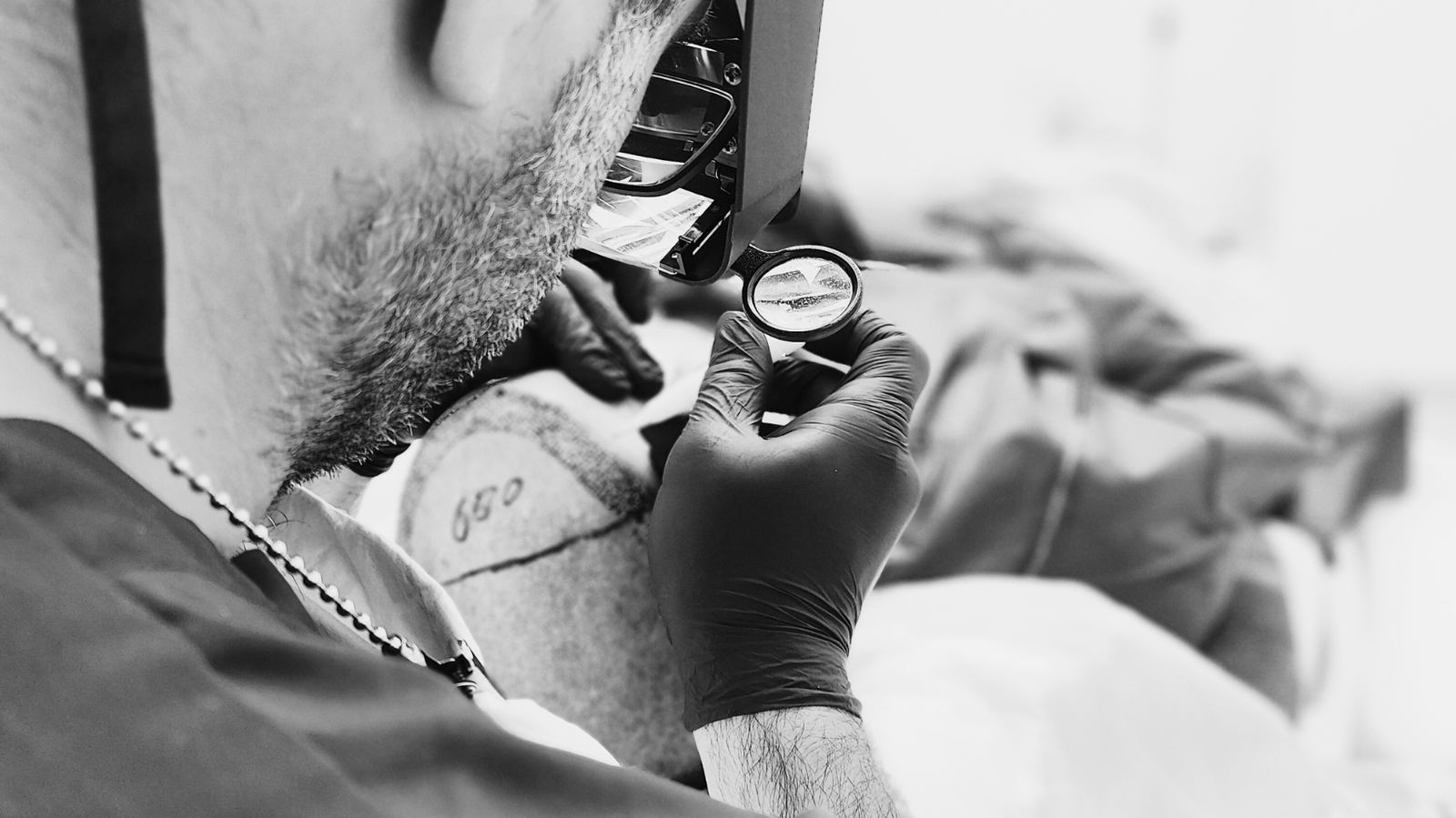
Temple hair restoration is among the most complex operations in contemporary hair transplantation. Patients often initially lose hair in the temple region, which greatly impacts facial harmony. Thus, restoring this area is important for achieving a balanced, youthful appearance.
So, why is restoring your temples so significant? Because the temples define the structure of your face. Even a slight recession creates the perception of ageing or advanced hair loss.
At Clinique de Monsieur, our goal is to produce aesthetically pleasing results through precision. With innovative methods such as Direct FUE, grafts are implanted using the Choi implanter, enabling us to accurately place grafts, minimise trauma, and achieve realistic results.
What Causes Temple Hair Loss?
Why do the temples recede first?
Firstly, the primary reason for temple recession is androgenetic alopecia. Secondly, since the hair follicles located in the temple area are extremely sensitive to hormone changes, DHT, they start to decline faster than anywhere else in the body.
What other factors contribute to temple hair loss?
Many other elements influence temple hair loss. Such factors consist of:
- hereditary tendency
- sensitivity to DHT
- age factor
- lifestyles environmental stressors
Why is temple hair loss so noticeable?
Since the temples outline the contours of your face, minor hair loss in the temples can drastically affect your facial balance. Henceforth, many patients seek solutions early on.

Who Is Eligible for Temple Hair Restoration?
When should I think about temple restoration?
If you see that your temples have receded to an extent that it impairs your hairline shape or facial symmetry, you might need to think about having your temples restored. Also, since there is a greater chance to acquire long-lasting natural results once your hair loss has stopped progressing, this is more likely when your hair loss has reached equilibrium.
Can younger patients be good candidates for temple restoration?
Younger patients can indeed be good candidates. But care must be taken when designing a hairline to ensure that it will stay natural throughout future hair loss progression.
Why is personalized consultation necessary?
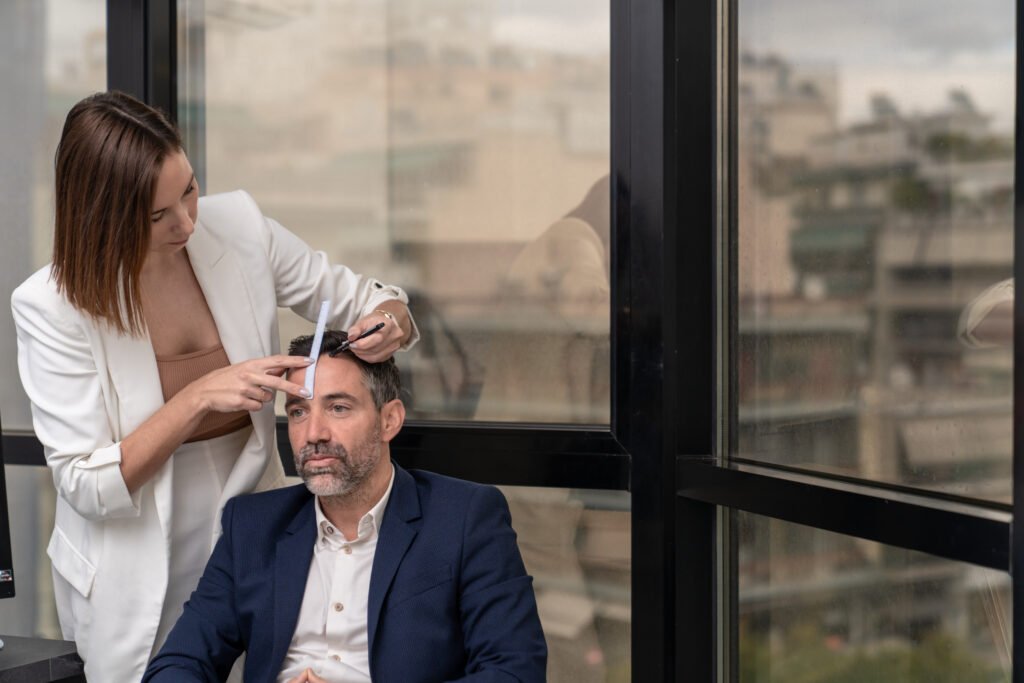
An individualized consultation is a necessity for ensuring that your treatment fits well with all aspects of your facial shape, your hair density and future patterns of hair loss. Therefore, this is an indispensable element in attaining excellent results.
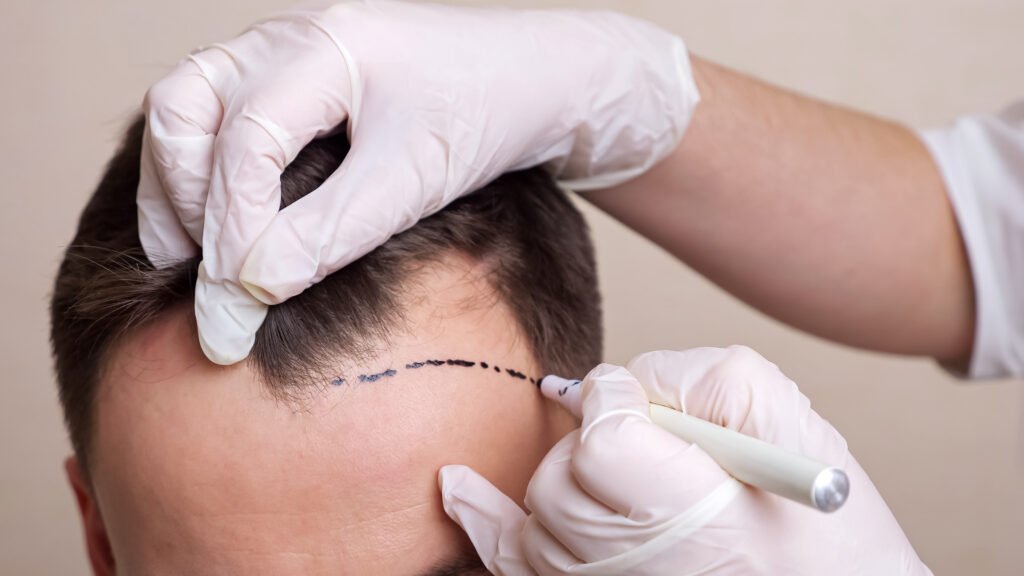
How Is Temple Hair Restoration Done?
Why is temple restoration difficult from an artistic perspective?
Hair in the temple region grows in extremely particular angles and directions. Therefore, getting natural results necessitates extreme precision. Even small errors can cause an unnatural appearance.
How is the operation carried out by means of Direct FUE?
Temple restoration uses Direct FUE, where grafts are being implanted with the use of the Choi implanter. This method enables surgeons to have complete control over angle depth and direction.
Step-by-step procedure
Below are the steps involved in carrying out this procedure:
- harvesting of follicular units from the donor zone
- design of the temple zone according to facial proportions
- grafts are being implanted with the use of the Choi implanter for precise positioning
- transplantation of hair to blend transplanted hairs with surrounding hairs
Why must precision be used when performing temple restoration?
As a result, visibility precision influences the degree of naturality of your final results. Therefore, technique and skillfulness are vital components of success.
Benefits of Direct FUE in Temple Restoration
Why choose Direct FUE as the best method?
Direct FUE is a less traumatic and highly exact form of surgery. Due to its high level of precision and relatively low trauma, it is the best option for delicate regions like those found in the temples.
How does the use of the Choi Implanter improve results?
Since grafts are being implanted with the use of the Choi implanter:
- direction of hair can be precisely controlled
- tissue damage can be dramatically decreased
- recovery time can be shortened
What are the benefits for patients after having had their temples restored?
Benefits to patients are:
- quicker recovery
- less pain
- greater percentage of graft survival
- more natural hairlines
Hence, Direct FUE increases both immediate post-surgical recovery and long-term outcomes.
Recovery Following Temple Hair Restoration
What happens right away after surgery?
Following surgery, patients may have some redness, swelling and small scabbing around each transplant site. All these effects are transient.
Timeline of recovery
Typical recovery periods are as follows:
- Week one, the initial period of healing
- In two weeks, a visible improvement
When will new growth begin?
Growth pattern for new hair is predictable:
- within two to four weeks, shedding commences
- three to four months, beginning of new hair growth
- nine to twelve months, the ultimate results are shown
Looking for a Natural Solution to Restore Your Temples?
At Clinique De Monsieur, every case is assessed individually, with the goal of achieving a harmonious and natural-looking result that complements your unique facial features.
Contact us today for a personalised consultation and find out whether temple hair restoration with Direct FUE is the right option for you.