


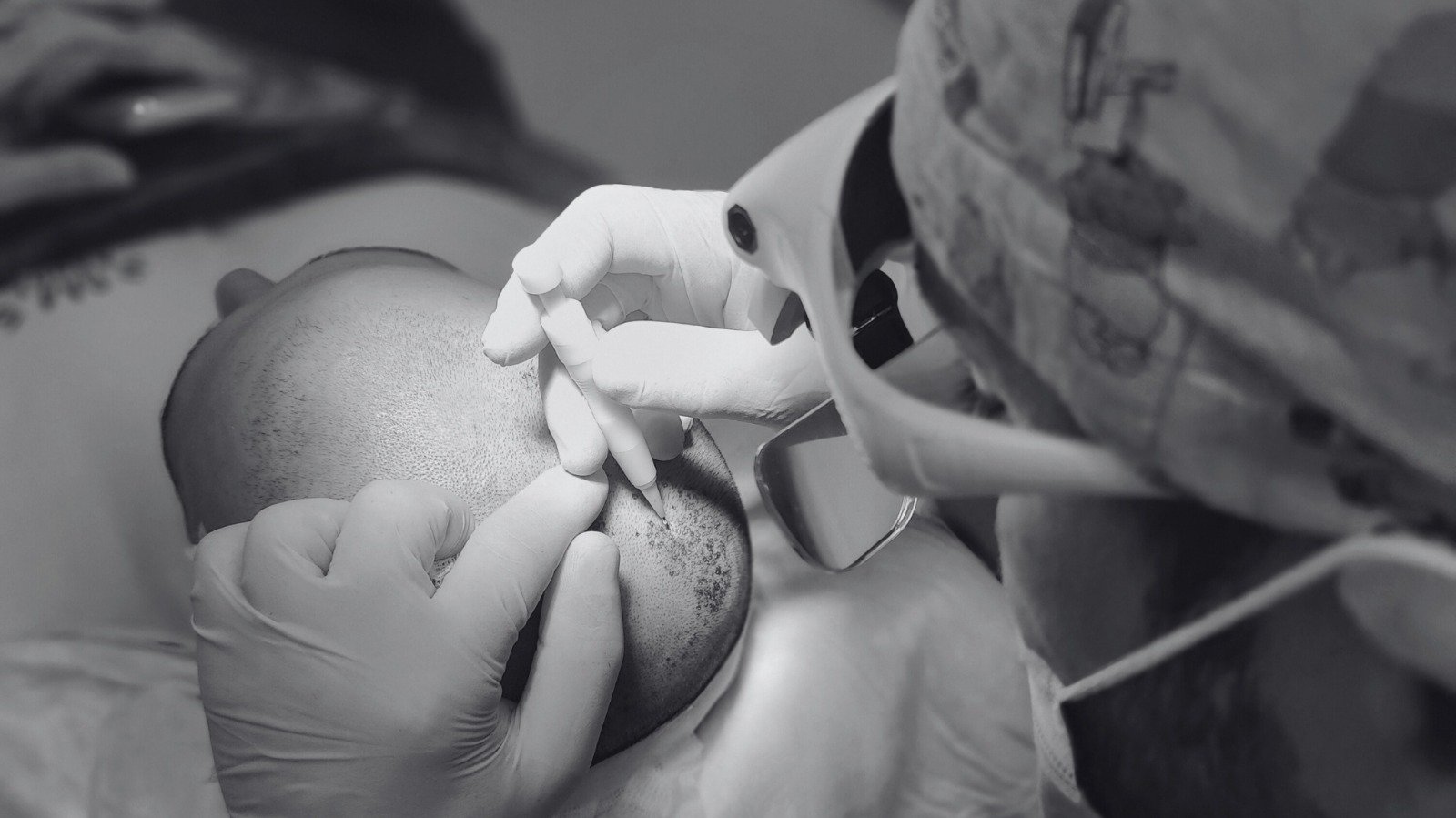
In hair transplantation, there is one core principle that never changes: your safety and your final result depend on who performs the critical stages of the procedure. That’s why, when we talk about success, it isn’t enough to know that a hair transplant was done the real issue is who actually performed it.
In our approach, a hair transplant is treated as a high-precision medical act, where hygiene, technique, correct donor-area management, and attention to detail determine the outcome. When critical stages are carried out by non-medical staff the so-called hair transplant technicians the risk increases, both for your health and for the naturalness of the result.
The real question
The real question is not whether a clinic performs hair transplants, but who performs the critical stages of the procedure.
In this article, we explain who hair transplant technicians are, why hair transplantation is a medical act, what risks arise when key steps are delegated to non-medical personnel, and how you can recognize a safe, medically responsible clinic.
For international safety standards, you can consult the World Health Organization and the American Academy of Dermatology, both of which emphasize the importance of medical execution in invasive procedures.
Who are hair transplant technicians?
Are they doctors or non-medical staff?
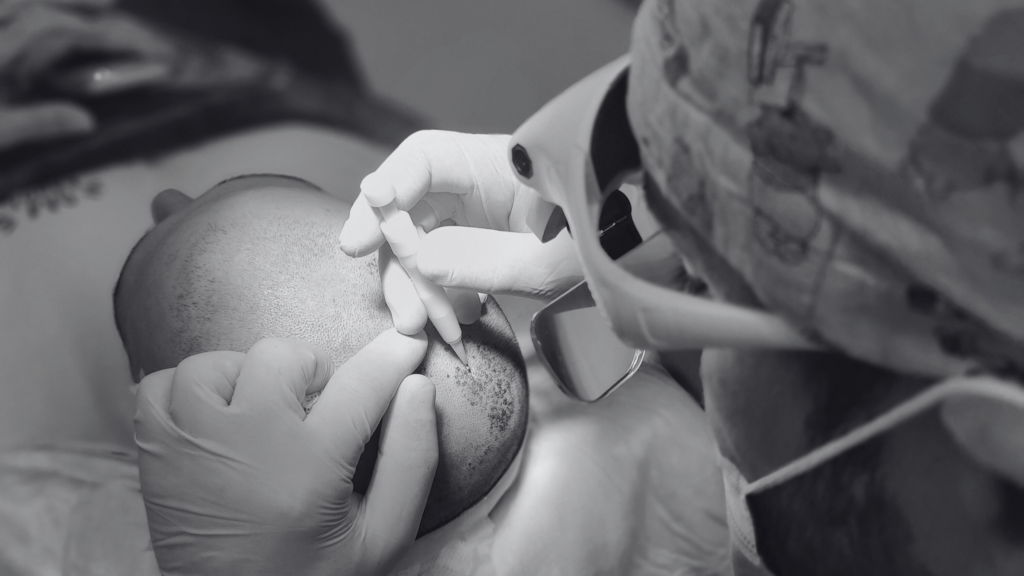
Many patients wonder who actually performs the hair transplant. In some high-volume clinics, important parts of the procedure are carried out by technicians rather than a specialized physician.
Hair transplant technicians:
- are not plastic surgeons or dermatologists
- do not have full medical education
- often perform graft extraction and graft placement
- cannot manage medical complications
- follow standardized techniques without personalization
Even if the cost looks lower, the risk to your health and to the outcome increases significantly.
Why hair transplantation is a medical procedure
A medical approach protects the patient and strengthens the result because it:
- reduces the risk of infection
- controls bleeding
- supports normal graft growth
Can it be done without medical diagnosis?
No. A hair transplant requires diagnosis, planning, and medical responsibility.
A specialized doctor:
- diagnoses the type of hair loss
- designs a natural hairline using medical and aesthetic criteria
- protects the donor area
- prevents complications
- provides medical follow-up
Hair transplantation is a treatment and requires medical accountability.
The main risks when a transplant is performed by technicians
Health risks
- infections and inflammation
- skin necrosis
- permanent scarring
- incorrect administration of anesthesia
- destruction of the donor area
How the aesthetic result is affected
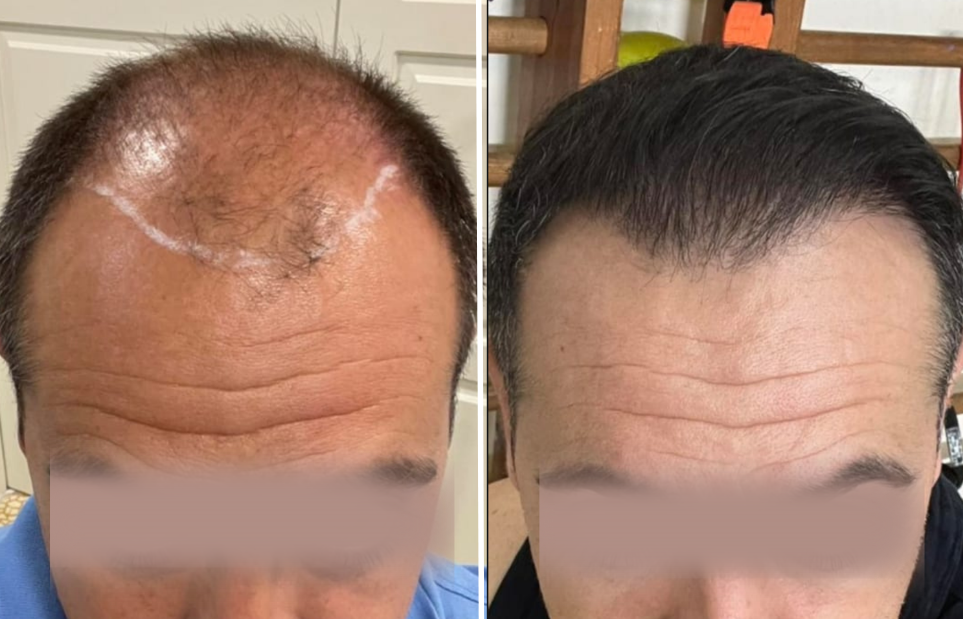
- unnatural hairline
- wrong angle and direction of hair growth
- low graft survival
- uneven density
- irreversible outcome
Long-term consequences for the donor area
- reduced ability for a future transplant
- permanent thinning
- distortion of the natural appearance
How to recognize a safe clinic
Check:
- whether the transplant is performed by a certified doctor
- whether a full medical diagnosis is done
- whether a personalized treatment plan is designed
- whether the process is transparent
- whether medical follow-up is provided
Why medical expertise makes the difference
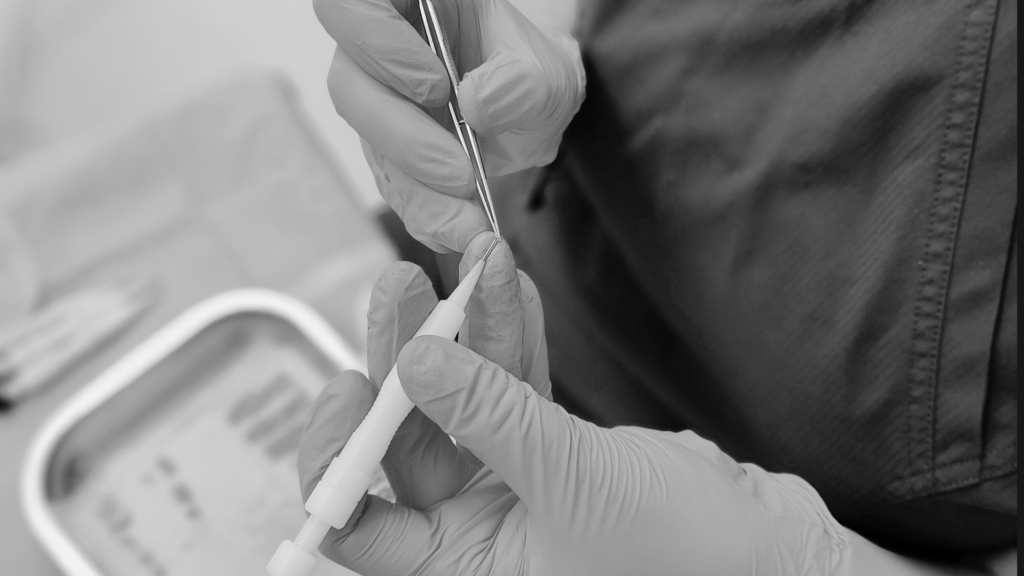
The success of a hair transplant becomes clear months later. A specialized doctor:
- designs a hairline that evolves naturally over time
- protects the donor area
- ensures high graft survival
- creates natural density
- plans long-term restoration
Conclusion
Hair transplantation is not “just a procedure.” It is a medical act where the person performing the critical stages determines your safety, your donor-area future, and the naturalness of your final result.
Choosing a doctor-led approach is not a luxury it is the safest path to a stable, natural, long-lasting outcome.